Reading Trends: What’s Shaping How We Read Today
When we talk about reading trends, the shifting patterns in how, why, and what people read across different ages and cultures. Also known as book consumption habits, it’s no longer just about picking up a novel—it’s about how screens, social media, and mental fatigue are rewriting the rules. The way we read today isn’t what it was ten years ago. Kids are switching from bedtime stories to audiobooks. Young adults are choosing emotional, short-form fiction over thick classics. And plenty of people who used to read every week now feel guilty just looking at their unread stack.
One big reason? Gen Z reading habits, how people born between 1997 and 2012 are choosing books based on authenticity, representation, and TikTok buzz. Also known as young reader preferences, this group doesn’t care if a book won a prize—they care if it feels real. They’re reading about mental health, identity, and messy relationships, often discovered through hashtags, not bookstore shelves. And they’re not alone. Even older readers are shifting toward quicker, more personal stories, not because they’re lazy, but because their attention spans have been reshaped by endless scrolling. Meanwhile, reading decline, the steady drop in daily reading time across all age groups, especially in urban and digitally saturated areas. Also known as literacy erosion, it’s not because people hate books—it’s because they’re overwhelmed. Between work, kids, social media, and streaming, finding quiet time to read feels like a luxury most can’t afford. And when people do try to read more, they hit reading burnout, the exhaustion that comes from forcing yourself to read when you’ve lost the joy. Also known as book fatigue, it’s not laziness. It’s the result of turning reading into a checklist—"I need to finish 50 books this year"—instead of letting it be a comfort. Even parents are confused. They’re not sure when to stop reading aloud to their kids. Is it age five? Eight? Twelve? The answer isn’t a number—it’s a feeling. When your child starts choosing their own books, asking questions, and staying up late reading under the covers, that’s when the shift happens. That’s child literacy development, the natural process where kids move from listening to reading on their own, guided by interest, not pressure. Also known as independent reading, it’s the quiet win every parent should celebrate.
So what’s really going on? Reading isn’t dying. It’s changing shape. The books people love now are shorter, louder, and more personal. The way they find them? Through friends, not ads. The reason they stop? Not because they lost interest—they lost the space to breathe. Below, you’ll find real stories from real readers. From the 20-year-old who reads 100 books a year on her phone during commute breaks, to the mom who finally let go of reading aloud when her daughter started whispering chapters to herself at night. These aren’t theories. These are habits. And they’re changing what reading means today.

The 4 C's of Reading: A Practical Guide to Better Comprehension
Discover the 4 C's of reading: Comprehension, Critical Analysis, Connection, and Creation. Learn how this framework transforms passive reading into active, deep learning.
Read More
What is the Estes Method? A Guide to Speed Reading and Comprehension
Discover the Estes Method, a speed reading technique using RSVP to boost comprehension. Learn how William C. Estes' research helps you read faster with less eye strain.
Read More
What's Trending in Romance Novels in 2026: The Shift to Realism and Hybrid Genres
Discover what's trending in romance novels in 2026. From realistic contemporary stories to dominant fantasy romance, learn how diversity and BookTok are reshaping the genre.
Read More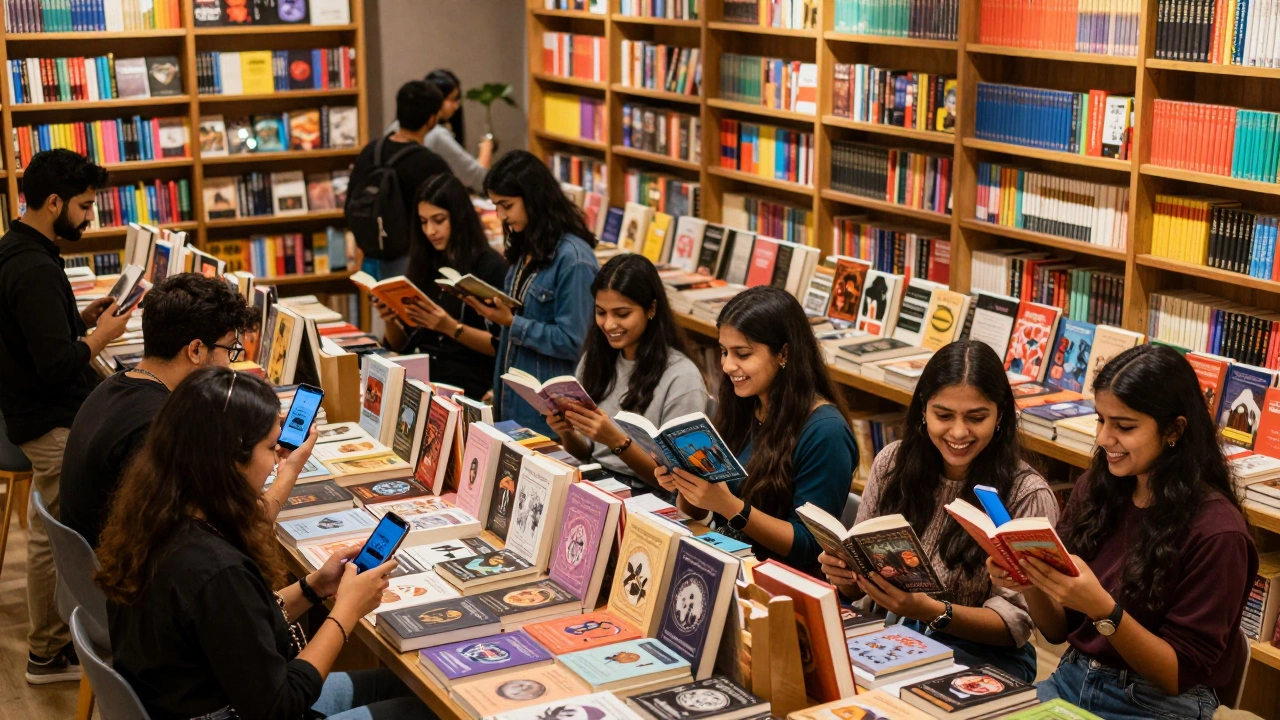
What Books Are Popular With Gen Z? Top Reads and Trends for 2026
Discover what books are popular with Gen Z in 2026. From BookTok hits to dark academia and mental health memoirs, explore the trends shaping young readers' tastes.
Read More
Does Gen Z Read More Books? The Truth Behind the Data
Explore whether Gen Z reads more books than previous generations. Analyze the impact of BookTok, audiobooks, and shifting attention spans on modern reading habits.
Read More
Why Are American Kids Struggling to Read? The Science Behind the Crisis
Explore the reasons behind the US reading crisis, including flawed teaching methods, undiagnosed dyslexia, and poverty. Learn how phonics and evidence-based practices can help.
Read More
Is Reading Increasing or Decreasing? The Real Data Behind Screen Time vs. Book Sales
Explore the latest data on reading trends in 2026. Discover if book sales are rising or falling, how audiobooks and screen time affect attention spans, and what generational shifts reveal about our relationship with text.
Read More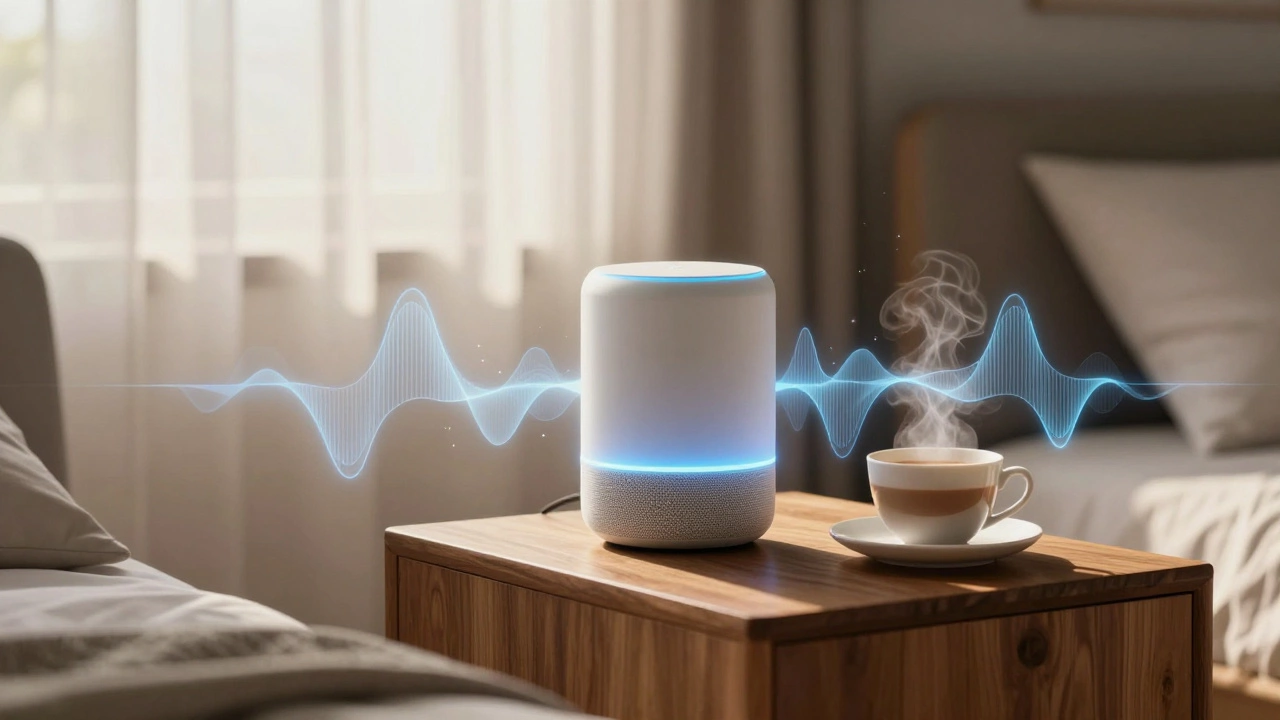
What Is Ghost Reading? The Rise of AI Narrators and Audio Companions
Discover what ghost reading is, how AI voices are changing our consumption of media, and the ethical implications of digital intimacy in the age of smart speakers.
Read More
Do Adults Read Young Adult Fiction? The Rise of New Adult Readers
Explore why adults are increasingly reading young adult fiction. From faster pacing to emotional clarity, discover the reasons behind this growing trend and how to find the best YA books for mature readers.
Read More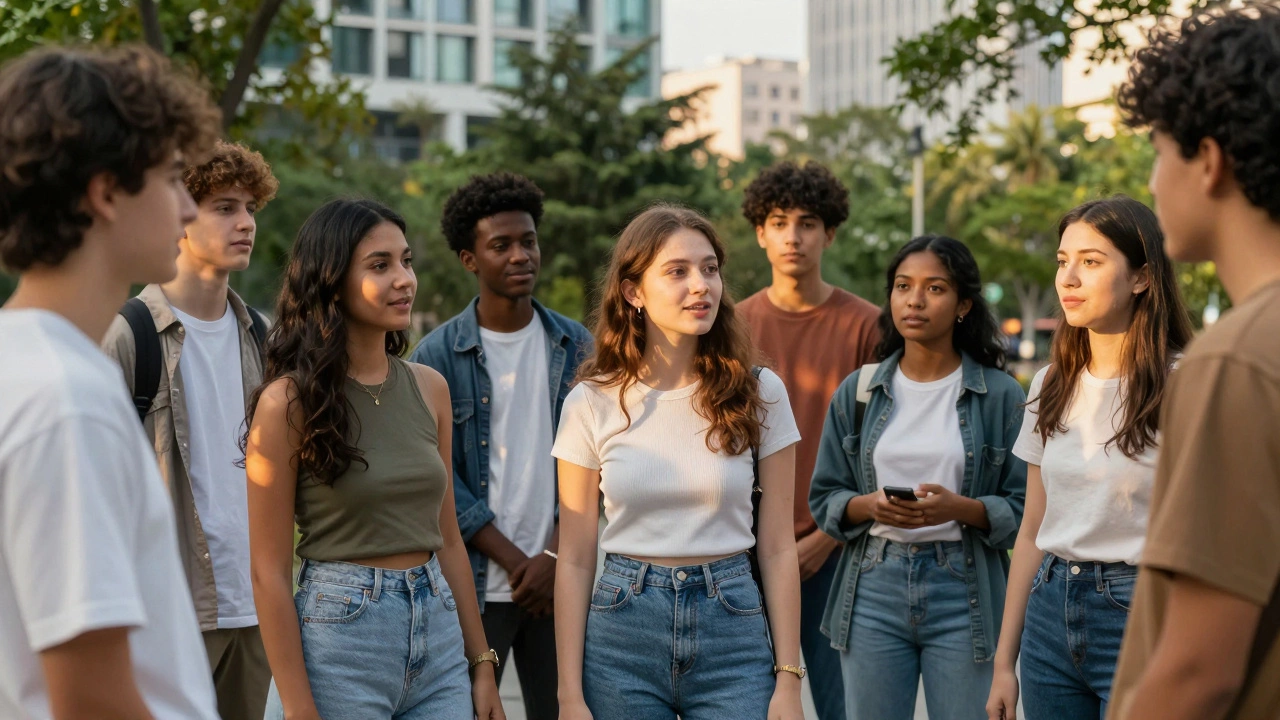
How Old Is Gen Z in 2024? Age Range, Reading Habits & Cultural Impact
Gen Z spans ages 12-27 in 2024, defined by digital immersion and shifting reading habits. Explore how this generation consumes literature differently and why age boundaries blur in practice.
Read More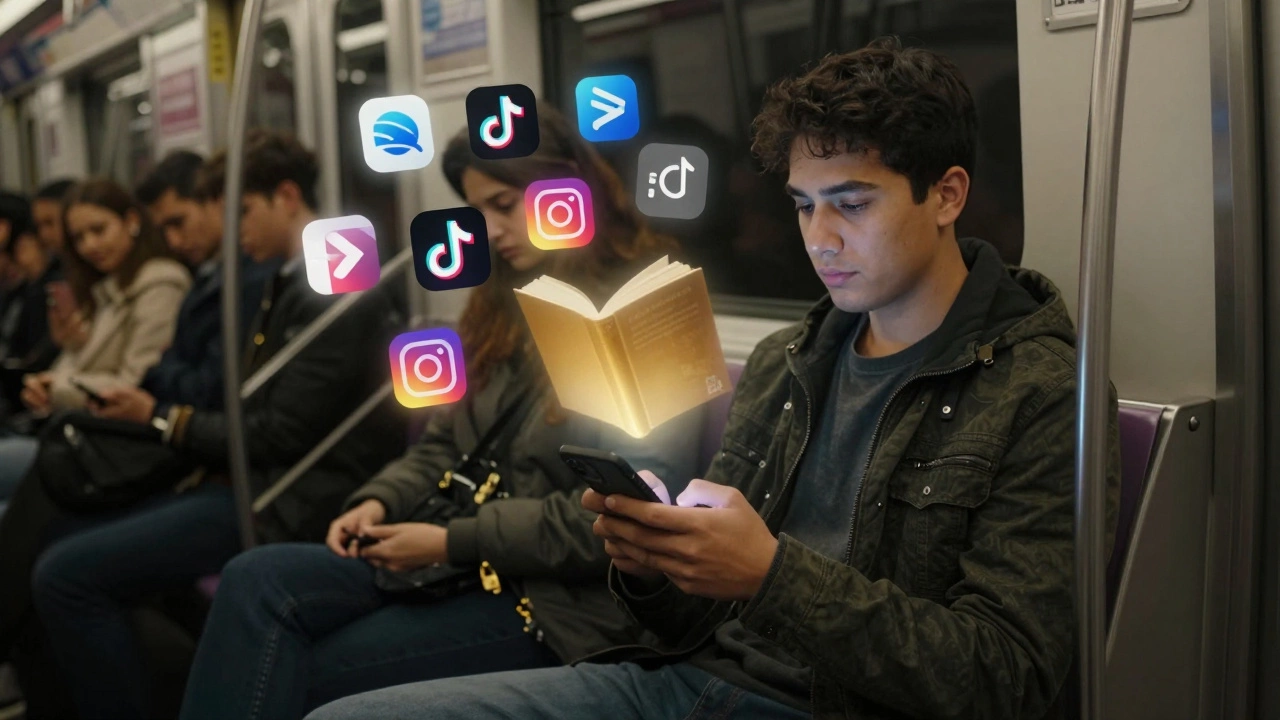
What Do Millennials Struggle With When It Comes to Reading?
Millennials aren't reading less because they've lost interest-they're reading differently. With busy lives, financial pressure, and digital overload, traditional reading habits don't fit. But stories? They're still consuming them-just not always in print.
Read More
Is Reading 100 Books a Year a Lot? What It Really Takes and Who Does It
Is reading 100 books a year realistic? Discover how ordinary people do it, what books they choose, and whether the number really matters-backed by real habits and data.
Read More- 1
- 2