What's Trending in Romance Novels in 2026: The Shift to Realism and Hybrid Genres
 Jun, 12 2026
2026 Romance Genre Matcher
Select the option that best describes what you are craving right now:
Trend Alert
In 2026, "Romantasy" has overtaken traditional fantasy, while Contemporary Romance focuses heavily on mundane realism and neurodivergence.
Your Match
TrendingSubgenre Name
Description goes here.
Focus details
Appeal details
Remember when romance was just a predictable formula? You know the one: meet-cute, misunderstanding, grand gesture, happy ending. That era is officially over. If you’ve walked into a bookstore or scrolled through your reading app in 2026, you might have noticed something different. The covers are bolder, the plots are messier, and the characters feel less like archetypes and more like people you actually know. The romance genre isn’t just surviving; it’s evolving at a speed that even veteran readers find surprising.
The shift hasn’t happened in a vacuum. It’s driven by a perfect storm of social media algorithms, reader fatigue with tropes, and a demand for stories that reflect the complexity of modern relationships. Today’s bestsellers aren’t just selling love stories; they’re selling emotional authenticity, cultural specificity, and narrative risk-taking. So, what exactly is moving the needle right now? Let’s break down the specific trends defining romance literature in mid-2026.
The Rise of "Realistic" Contemporary Romance
For years, Contemporary Romance was dominated by high-stakes drama where communication breakdowns lasted for hundreds of pages. Readers are done with that. The biggest trend in contemporary romance today is the embrace of mundane realism. Think less "CEO proposes on a yacht" and more "couple navigates shared custody and grocery budgeting while falling in love all over again."
This subgenre, often tagged as "slow burn domestic," focuses on the logistics of intimacy rather than just the spark. Authors like Ali Hazelwood and Talia Hibbert paved the way, but in 2026, we see a new wave of writers focusing on neurodivergent protagonists and non-traditional relationship structures. These books don’t shy away from therapy sessions, financial stress, or family dysfunction. They show that love doesn’t fix everything; sometimes, it just gives you someone to face the chaos with.
Why does this resonate? Because post-pandemic readers crave stability. They want to see relationships that survive not because of fate, but because of work. This trend has pushed publishers to acquire manuscripts that prioritize character growth over plot twists. If the conflict can be resolved with a single conversation, readers are now asking why it took three acts.
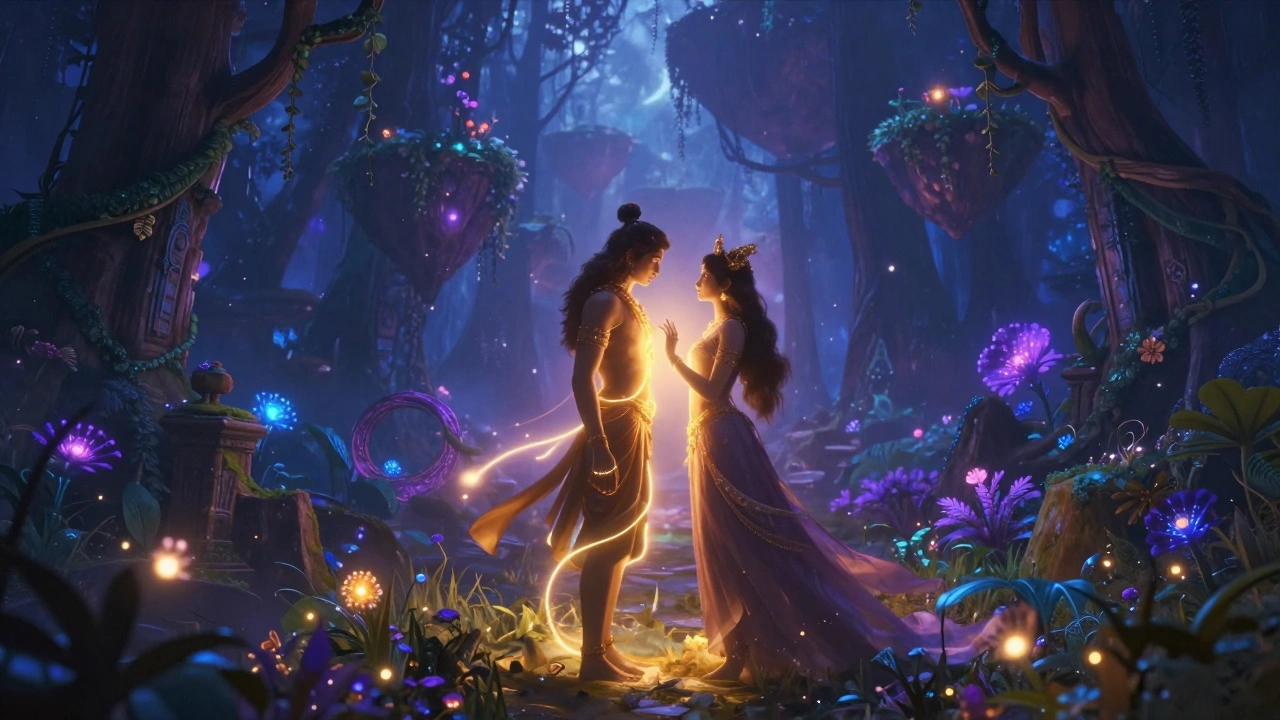
Fantasy Romance (Romantasy) Dominates the Charts
If contemporary romance is getting real, fantasy romance is getting huge. Often abbreviated as "Romantasy," this hybrid genre has overtaken traditional fantasy in sales figures. But it’s not just about adding a love interest to a sword-fighting epic. The trend in 2026 is characterized by world-building that serves the romance, not the other way around.
Sarah J. Maas and Rebecca Yarros set the standard, but the current wave is more experimental. We’re seeing magic systems that metaphorically mirror emotional barriers. For example, a protagonist whose power depends on vulnerability, forcing them to open up physically and emotionally to survive. The stakes are higher, the settings are richer, and the romantic tension is woven into the survival mechanics of the plot.
Readers are drawn to these books because they offer escapism without sacrificing emotional depth. The fantasy element allows for metaphors that realistic fiction can’t touch. A curse that prevents physical touch explores intimacy issues in a way that feels fresh and symbolic. This trend shows no signs of slowing down, with major publishing houses dedicating entire imprints to Romantasy titles.
| Subgenre | Key Focus | Typical Reader Appeal | Current Trend Status |
|---|---|---|---|
| Contemporary Realism | Everyday challenges, mental health | Relatability, comfort | Growing steadily |
| Romantasy | World-building, magical stakes | Escapism, high tension | Dominant market leader |
| Historical Romance | Social constraints, period detail | Nostalgia, structured drama | Stable, niche loyalists |
| Dark Romance | Power dynamics, moral ambiguity | Thrill-seeking, taboo exploration | Polarizing but profitable |
The Influence of BookTok and Algorithmic Discovery
You can’t talk about romance trends without addressing BookTok. By 2026, TikTok’s algorithm has become the most powerful marketing tool in publishing. But the dynamic has shifted. Early BookTok relied on viral clips and aesthetic shots. Now, it’s about community-driven discovery and critical engagement.
Readers use platforms like TikTok and Instagram Reels to share nuanced reviews, not just hype. This has led to the rise of "micro-trends"-specific tropes that spike in popularity for a few months before fading. For instance, "enemies-to-lovers with a workplace setting" had a massive surge in early 2026, followed quickly by "second-chance romance with aging parents." Publishers now monitor these micro-trends in real-time, adjusting acquisition strategies weekly.
This immediacy means that backlist titles (books published years ago) often outsell new releases if they align with a current trope. Readers are digging deep into catalogs to find specific emotional experiences. This has democratized success, allowing self-published authors to compete with big-name house brands if they nail the trending vibe.
Diversity Beyond Tokenism
Diversity in romance is no longer a checkbox; it’s a expectation. In 2026, readers are demanding authentic representation that goes beyond surface-level details. This includes LGBTQ+ narratives that explore specific cultural contexts, such as queer relationships within immigrant communities or religious backgrounds. It also means more stories featuring disabled protagonists where disability is integral to their identity and romantic journey, not just a plot device.
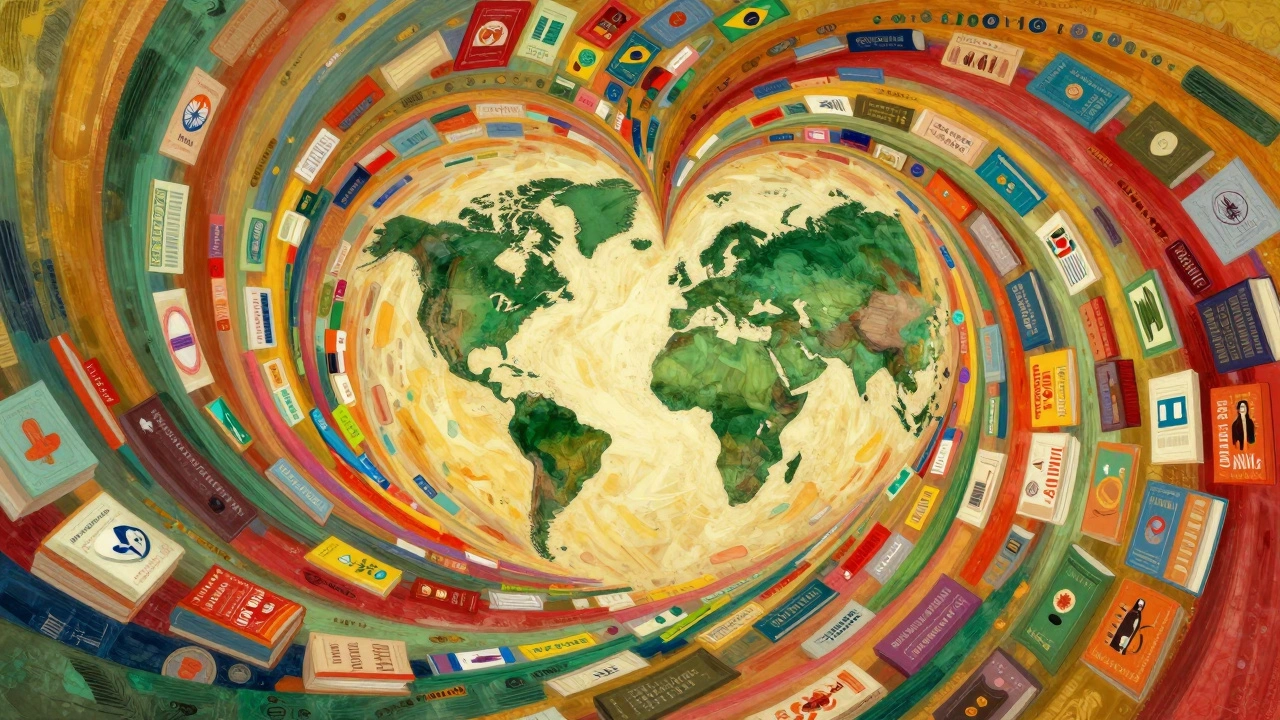
We’re seeing a boom in romance from the Global South. Authors from India, Nigeria, Brazil, and Southeast Asia are bringing unique cultural traditions of courtship and marriage into mainstream Western markets. These stories challenge the monolithic view of romance as a purely Western construct. They introduce concepts like arranged marriage reimagined as a choice, or multi-generational living arrangements that shape romantic dynamics.
This trend is driven by readers who are tired of seeing themselves as side characters. When representation is accurate and nuanced, it resonates deeply. Publishers are responding by investing in translation rights and acquiring voices that were previously marginalized. The result is a richer, more varied landscape of love stories.
The Persistence and Evolution of Dark Romance
Dark romance remains a polarizing but incredibly popular segment. However, the definition of "dark" has evolved. Early dark romance often relied on shock value. Current trends emphasize psychological complexity and consent negotiations. Readers are engaging with morally grey characters who are flawed but understandable, rather than simply abusive.
There’s a growing emphasis on content warnings and clear labeling. Readers appreciate transparency about themes like manipulation, captivity, or power imbalance. This allows them to engage with the material safely and intentionally. The appeal lies in exploring the edges of desire and control in a controlled environment. It’s a safe space to process complex emotions through fiction.
Critics argue that this genre normalizes unhealthy behavior, but proponents say it provides a cathartic outlet. The key trend here is author accountability. Successful dark romance authors in 2026 are those who handle sensitive topics with care and provide resources for readers who may be triggered. This balance between thrill and responsibility is crucial for the genre’s longevity.
Interactive and Serialized Formats
Technology is changing how we consume romance. Serialized apps like Radish and Kindle Vella have gained significant traction, offering bite-sized chapters that release daily or weekly. This format suits the fast-paced lifestyle of modern readers. It creates a communal experience where fans discuss theories and outcomes in real-time.
Some authors are experimenting with interactive elements, allowing readers to vote on minor plot points or character decisions. While full branching narratives are still rare, the idea of reader agency is gaining ground. This blurs the line between passive consumption and active participation. It keeps readers engaged between releases and builds stronger fan loyalty.
Additionally, audio dramas and audiobooks with immersive soundscapes are becoming popular. Voice actors bring an extra layer of emotion to the text, making the romantic tension feel more immediate. This multimodal approach appeals to multitaskers and those who prefer listening over reading.
What This Means for Your Reading List
So, how do you navigate this shifting landscape? Start by identifying what you’re craving. Do you need comfort and relatability? Look for contemporary realism. Want escapism and high stakes? Dive into Romantasy. Interested in new perspectives? Seek out diverse voices from underrepresented regions.
Don’t be afraid to mix genres. Many of the best books in 2026 blend elements from multiple categories. A historical romance with fantasy elements, or a contemporary story with thriller pacing, can offer the best of both worlds. Pay attention to reviews that mention specific tropes rather than general praise. This helps you find books that match your exact preferences.
Finally, engage with the community. Join book clubs, follow reviewers on social media, and participate in discussions. Romance is a social genre. Sharing recommendations and discovering hidden gems together enhances the joy of reading. The trends will continue to change, but the core appeal remains the same: the hope for connection and the celebration of love in all its forms.
What is the most popular romance subgenre in 2026?
Fantasy Romance, often called Romantasy, is currently the dominant subgenre. It combines high-stakes world-building with intense romantic plots, appealing to readers seeking both escapism and emotional depth.
How has BookTok influenced romance novels?
BookTok has accelerated trend cycles, creating micro-trends based on specific tropes. It also empowers backlist titles to resurge in popularity and allows self-published authors to reach wide audiences through viral recommendations.
Is dark romance still popular?
Yes, but it has evolved to focus more on psychological complexity and clear content warnings. Readers now seek morally grey characters with understandable motivations rather than pure shock value.
What makes contemporary romance different now?
Modern contemporary romance emphasizes realistic challenges like mental health, financial stress, and neurodivergence. It moves away from unrealistic misunderstandings toward stories about working through difficulties together.
Are there more diverse romance novels available?
Absolutely. There is a significant increase in romance featuring LGBTQ+ protagonists, disabled characters, and authors from the Global South, offering authentic cultural perspectives and broader representation.