What Books Are Popular With Gen Z? Top Reads and Trends for 2026
 May, 22 2026
Gen Z Reading Taste Matcher
Answer three questions to find the perfect book trend for you right now.
Based on 2026 trends from BookTok and bestseller lists.
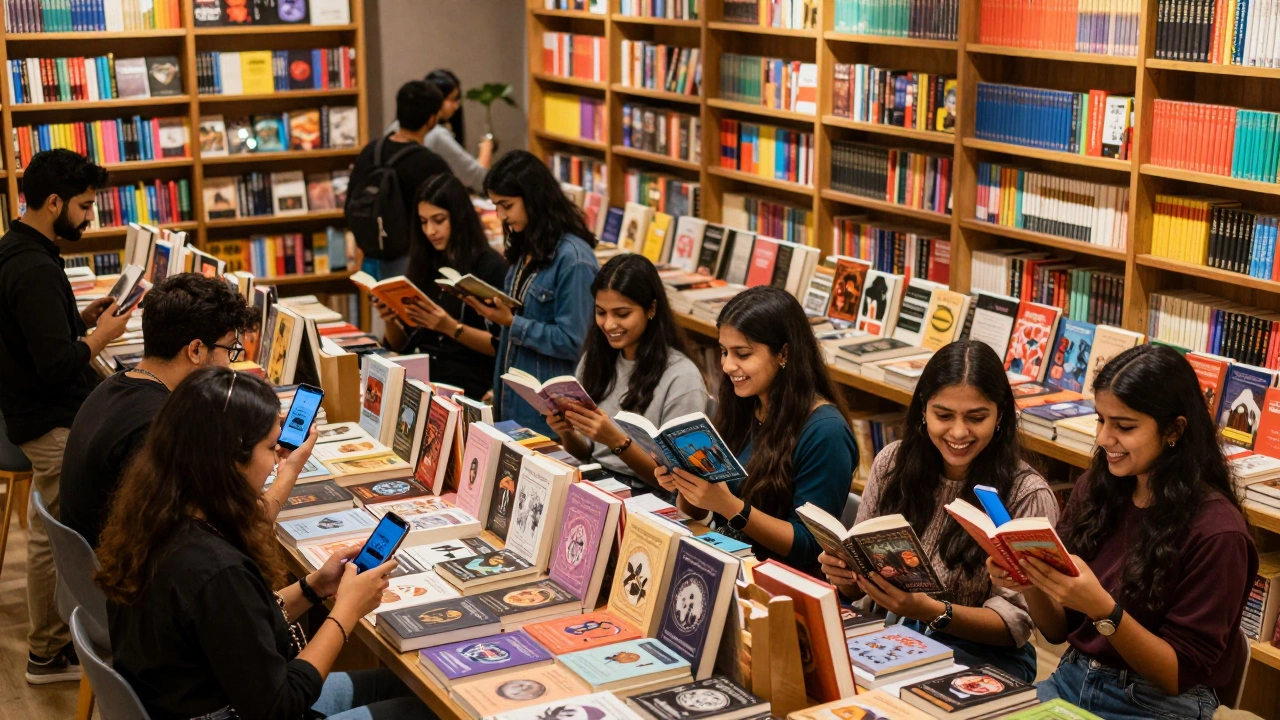
You walk into a bookstore today, and the vibe is different. It’s not just quiet rows of shelves; it’s a hub of discovery driven by algorithms and aesthetics. If you are wondering what books are popular with Gen Z right now in 2026, the answer isn’t found in traditional literary awards alone. It’s found on TikTok feeds, Instagram stories, and Discord servers. This generation doesn’t just read; they curate, discuss, and visually share their reading lives.
For Gen Z (born roughly between 1997 and 2012), reading has become a highly social activity. A book is no longer just a story; it’s a mood board, a conversation starter, and often, a mirror for their own experiences with anxiety, identity, and a rapidly changing world. To understand what they are reading, we have to look past the covers and into the communities that drive these trends.
Why do Gen Z readers prefer fantasy and speculative fiction?
Fantasy offers an escape from real-world pressures like climate change and economic instability. It allows readers to explore complex themes of power, identity, and morality in safe, metaphorical settings. Additionally, the genre has evolved to include diverse voices and modern sensibilities, making it more relatable than ever.
The "BookTok" Effect: How Social Media Drives Sales
If there is one force that has reshaped publishing in the last few years, it is BookTok, the community on TikTok dedicated to book recommendations, reviews, and aesthetic displays. While the platform started as a niche corner of social media, it has exploded into a global phenomenon that can turn an obscure self-published title into a New York Times bestseller overnight. For Gen Z, this isn’t about following critics; it’s about peer validation. When someone they trust-a creator who shares their humor, values, or aesthetic-recommends a book, it carries weight.
This dynamic has created a specific type of popularity. Books that are "visually appealing" or have "high emotional stakes" tend to thrive. Think thick spines, pastel covers, or titles that promise a heart-wrenching romance. The algorithm favors content that triggers strong emotions, so books that make readers cry, swoon, or feel seen get pushed harder. This has led to a resurgence in genres that might have been considered "lowbrow" in academic circles but are deeply valued by young readers for their accessibility and emotional resonance.
- Visual Appeal: Books with distinctive cover art perform better because they look good on camera.
- Emotional Intensity: Stories with high drama, romance, or tragedy generate more engagement.
- Community Discourse: Books that spark debate or discussion in comments sections gain momentum.
However, this trend also has a downside. Some critics argue that it prioritizes hype over quality, leading to "shelfies" (photos of bookshelves) that matter more than the actual reading experience. Yet, for many Gen Z readers, the social aspect enhances the reading journey, turning a solitary act into a shared cultural moment.
Fantasy and Dark Academia: Escaping Into Other Worlds
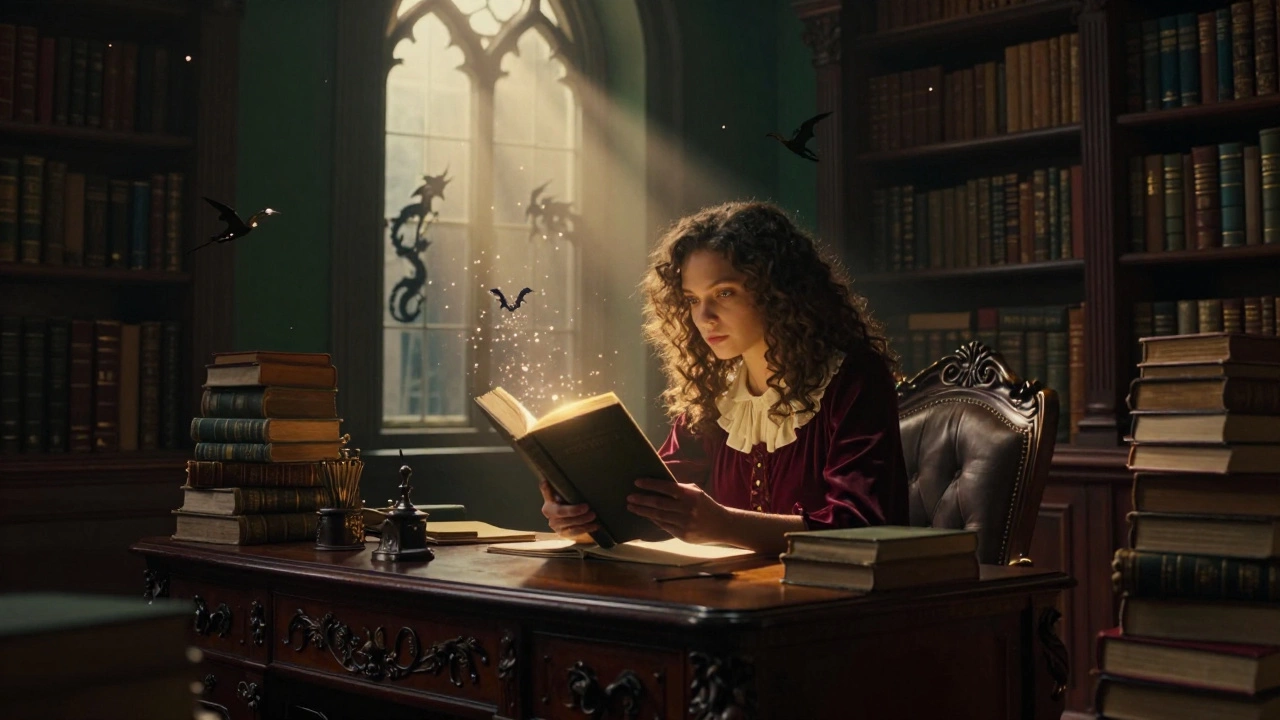
When you ask what books are popular with Gen Z, fantasy is almost always at the top of the list. But it’s not just any fantasy. There is a distinct preference for "Dark Academia" and morally gray characters. This subgenre blends the intellectual allure of university life with supernatural elements, mystery, and often, a touch of gothic horror. It appeals to Gen Z’s fascination with history, aesthetics, and the complexity of human nature.
Titles like The Invisible Life of Addie LaRue by V.E. Schwab have dominated charts for years. The story explores immortality, memory, and the desire to leave a mark on the world-themes that resonate deeply with a generation worried about legacy and existential dread. Similarly, A Court of Thorns and Roses by Sarah J. Maas remains a staple. What started as a Beauty and the Beast retelling evolved into a complex epic fantasy with deep political intrigue and romantic tension. These books offer an escape, but they also provide a framework for discussing trauma, healing, and empowerment.
The appeal lies in the world-building. Gen Z readers are digital natives who are used to immersive online environments. Fantasy novels offer a similar depth, allowing them to lose themselves in intricate lore and magic systems. Moreover, the rise of diverse fantasy authors means these worlds are no longer monolithic. They reflect a wider range of cultures, identities, and experiences, making the escape feel more inclusive and relevant.
| Title | Author | Key Themes |
|---|---|---|
| The Invisible Life of Addie LaRue | V.E. Schwab | Immortality, Art, Memory |
| A Court of Thorns and Roses | Sarah J. Maas | Romance, War, Healing |
| The Priory of the Orange Tree | Samantha Shannon | Dragons, LGBTQ+ Representation, Epic Scale |
| Fourth Wing | Rebecca Yarros | Dragon Riders, Military Academy, Romance |
Mental Health and Memoirs: Reading for Realness
While fantasy offers escape, another huge category for Gen Z is non-fiction that deals with mental health, trauma, and personal growth. This generation is more open about discussing anxiety, depression, and therapy than any before it. As a result, books that validate these experiences or offer practical tools for coping are incredibly popular. They aren’t looking for dry clinical manuals; they want memoirs that feel like a chat with a friend who gets it.
I’m Glad My Mom Died by Jennette McCurdy became a massive hit because it tackled child stardom, eating disorders, and toxic family dynamics with raw honesty. It resonated because it didn’t shy away from the ugly parts of growing up. Similarly, Crying in H Mart by Michelle Zauner explored grief, identity, and food in a way that felt universal yet deeply personal. These books serve as mirrors, helping readers feel less alone in their struggles.
The trend extends to self-help, but with a twist. Traditional self-help books that promise quick fixes or hustle culture are out. Instead, Gen Z prefers books that emphasize rest, boundaries, and self-compassion. Authors like Glennon Doyle or Brené Brown have long-standing followings, but newer voices are emerging who speak directly to the anxieties of the 2020s, such as burnout from remote work or the pressure of social media perfection.
Diverse Voices and Own-Voice Narratives
Diversity is not just a buzzword for Gen Z; it’s a expectation. They actively seek out books written by authors who share their backgrounds or experiences. This is often referred to as "own-voice" literature. Whether it’s LGBTQ+ romance, stories from immigrant families, or narratives centered on disability, Gen Z wants representation that feels authentic, not tokenistic.
This shift has revitalized Young Adult (YA) fiction, which was once dismissed as "just for kids." Today, YA is a bridge between teenage readers and adults, offering stories that tackle heavy issues with clarity and hope. Books like Heartstopper by Alice Oseman have captured hearts worldwide. Originally a webcomic, its print versions sold millions of copies. The story’s gentle portrayal of a gay relationship, free from trauma porn, offered a refreshing alternative to the angsty tropes common in earlier YA fiction. It showed that love could be sweet, simple, and joyful.
This demand for authenticity has forced publishers to take risks. We are seeing more debut authors from marginalized communities breaking through, often propelled by word-of-mouth on social media. For Gen Z, buying these books is a form of activism. It’s a way to support creators who have been historically excluded from the literary canon.
The Rise of Short-Form and Digital Reading
It would be incomplete to talk about Gen Z reading habits without mentioning format. While physical books are trendy, digital reading is ubiquitous. Apps like Kindle Unlimited and Wattpad play a significant role. Wattpad, in particular, has been a launching pad for many successful franchises, including The Kissing Booth. The platform allows readers to engage with stories interactively, leaving comments within chapters and connecting with authors directly.
Moreover, the attention economy has influenced how books are written. Pacing is faster, chapters are shorter, and hooks are placed early. This isn’t necessarily a bad thing; it makes books more accessible to readers who are juggling school, work, and digital distractions. Audiobooks are also surging in popularity, allowing multitasking listeners to consume content while commuting or exercising. Narrators with distinct voices or accents add another layer of entertainment, making the audio experience a standalone product rather than just a convenience.
How to Find Your Next Read Like a Gen Z Reader
If you want to tap into these trends, start by following your interests on social media. Search for hashtags like #BookTok, #Romantasy, or #MentalHealthBooks. Look for creators whose taste aligns with yours. Don’t be afraid to pick up a book with a flashy cover if it promises the emotional experience you’re craving. Remember, reading is subjective. What matters most is that the book speaks to you, whether it’s a high-fantasy epic or a quiet memoir about finding yourself.
- Identify your mood: Do you want to escape (fantasy) or connect (memoir)?
- Check social proof: See what people are saying on TikTok or Goodreads.
- Sample before you commit: Use library apps or Kindle previews to test the first chapter.
- Join a community: Engage in discussions to deepen your appreciation of the text.
Is Gen Z only interested in trending books?
No. While trends drive visibility, Gen Z readers are also deeply engaged with classics, poetry, and literary fiction. Many use social media to rediscover older works, such as Oscar Wilde or Mary Shelley, reinterpreting them through modern lenses. The key is that they approach all books with a critical and personal eye.
Why is "Romantasy" so popular?
Romantasy combines the world-building of fantasy with the emotional intensity of romance. It satisfies the desire for adventure and escapism while providing the relational stakes and character development that readers crave. It’s a perfect blend for those who want both plot and passion.
Do Gen Z readers still buy physical books?
Yes, absolutely. Physical books are valued as collectibles and aesthetic objects. The tactile experience of holding a book, combined with the visual appeal of bookstores and libraries, creates a sensory experience that digital formats cannot replicate. Many readers own both e-readers and physical collections.
What role does diversity play in Gen Z's reading choices?
Diversity is central. Gen Z actively seeks out own-voice narratives that reflect a wide range of identities, cultures, and experiences. They value authenticity and are quick to call out tokenism or stereotypical portrayals. Supporting diverse authors is seen as both a moral and artistic choice.
How has social media changed the way books are marketed?
Marketing has shifted from traditional ads to influencer partnerships and organic community building. Publishers now invest heavily in creating "shareable" moments, such as unique cover designs or interactive online events. The goal is to create a viral loop where readers become advocates for the book.