What Is Ghost Reading? The Rise of AI Narrators and Audio Companions
 May, 12 2026
Ghost Reading vs. Traditional Audiobooks
Traditional Audiobook
Human-recorded, fixed production with high emotional nuance but limited availability.
- ✓ High Emotional Depth
- ✗ Weeks/Months Production
- ✗ Limited to Published Titles
- ✗ Paid Per Title
Ghost Reading (AI)
AI-generated speech that is instant, customizable, and accessible for any text.
- ⚠ Improving Nuance
- ✓ Instant Conversion
- ✓ Any Text Convertible
- ✓ Subscription/Free Options
Your Preference
Select your priority below to see which format suits you best.
Detailed Comparison
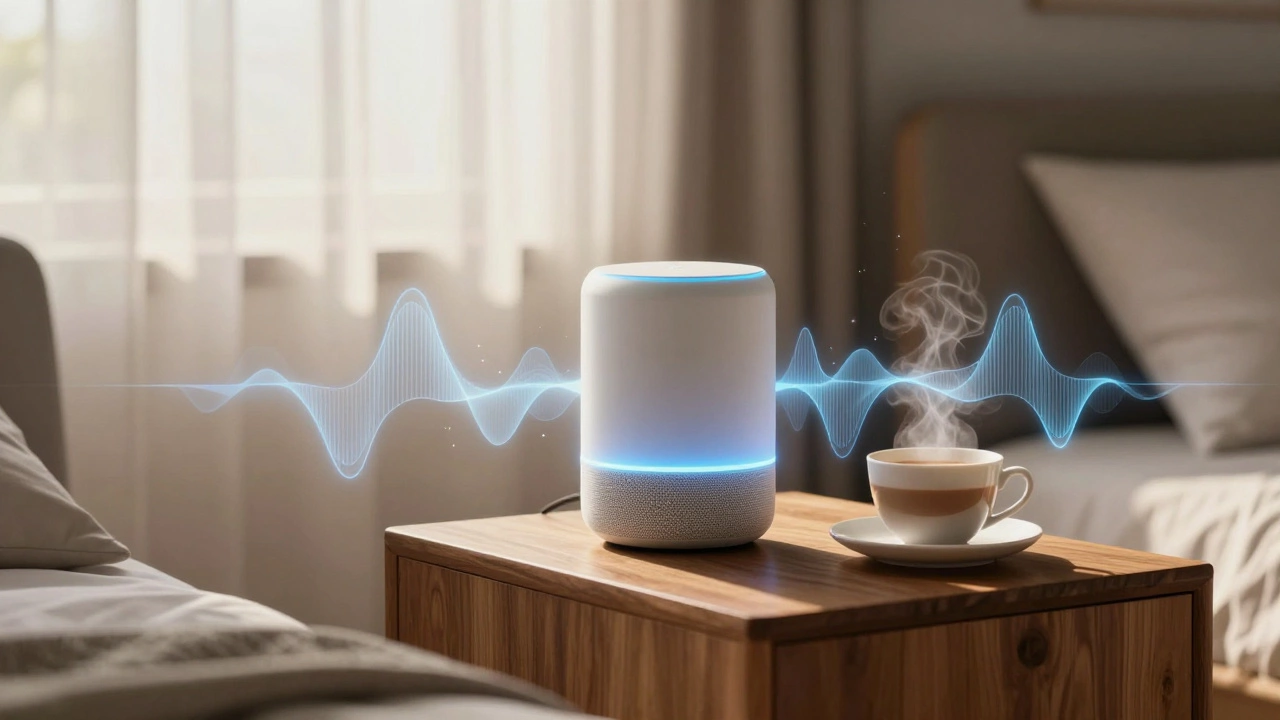
Imagine waking up in the morning, stretching your arms, and hearing a calm, familiar voice greet you by name. It tells you about your day, reads you the news, or even shares a joke. There is no human behind this voice. It is an algorithm, a piece of software designed to sound like a friend. This phenomenon is known as ghost reading. It is not just a trend; it is a fundamental shift in how we consume information and experience companionship.
Ghost reading refers to the practice of using artificial intelligence to generate spoken content that mimics human narration, often creating a sense of personal connection without any actual human presence. You might think this sounds futuristic, but you have likely already encountered it. When your smart speaker reads your calendar aloud, or when an audiobook app suggests a narrator’s tone based on your mood, you are participating in ghost reading. The line between tool and companion is blurring, and understanding what this means for our daily lives is crucial.
The Evolution from Text to Voice
To understand where we are going, we need to look at where we came from. For centuries, reading was a solitary act. You sat with a book, eyes moving across the page, imagination filling the gaps. Then came radio and television, bringing voices into our homes. But these were broadcast mediums-many listeners, one speaker. The internet changed this again, allowing for asynchronous communication through text messages and emails. We began to expect immediacy and personalization.
The next logical step was voice. Early text-to-speech (TTS) technology was robotic and monotone. If you tried listening to a long article read by early TTS engines, you would tune out within minutes. The voices lacked intonation, emotion, and natural pacing. They sounded like machines because they were machines, processing phonemes without understanding context. However, advancements in deep learning and neural networks have transformed this landscape. Modern AI can now mimic human speech patterns, including pauses, sighs, and changes in pitch, with startling accuracy.
This technological leap has enabled AI narrators to become indistinguishable from human readers in blind tests. The result is a new category of media consumption where the barrier between written word and spoken word dissolves completely. You don’t just read the news; you hear it interpreted by a voice that feels tailored to you. This is the essence of ghost reading: the illusion of a human presence delivered through code.
Why Are We Craving Digital Voices?
You might wonder why people are turning to AI voices instead of just listening to human-read audiobooks. The answer lies in convenience, personalization, and the growing sense of loneliness in modern society. Human audiobooks are excellent, but they are static. The narrator reads the same way every time. With ghost reading, the experience can be dynamic. An AI can adjust its speed, emphasize certain words, or even change its tone based on your feedback.
Consider the concept of digital intimacy. Many users report feeling more connected to their devices than they did five years ago. This isn’t because the devices are alive, but because they respond. When you ask a question, you get an answer. When you request a story, you receive a narrative. This interaction creates a feedback loop that mimics conversation. For individuals who feel isolated or overwhelmed by social interactions, a non-judgmental, always-available voice can be incredibly comforting.
Furthermore, ghost reading addresses accessibility needs. People with visual impairments, dyslexia, or attention deficits benefit greatly from having text converted into speech instantly. Unlike traditional audiobooks, which require production time and cost, AI-generated speech can convert any document, webpage, or e-book into audio in seconds. This democratizes access to information, making it available to anyone, anywhere, at any time.
How Ghost Reading Works in Practice
You don’t need to be a programmer to use ghost reading tools. Most of the functionality is built into the devices you already own. Your smartphone, tablet, or smart speaker likely has built-in accessibility features that include screen readers. These are the most basic forms of ghost reading. However, the technology has evolved far beyond simple screen readers.
Today, you can find dedicated apps that offer personalized audio companions. These apps allow you to select a voice persona. Do you want a deep, authoritative voice for news? Or a soft, gentle voice for bedtime stories? You can choose. Some platforms even allow you to clone your own voice or the voice of a loved one, raising complex ethical questions about identity and consent. Once set up, the AI reads whatever content you feed it-emails, articles, books, or notes.
The integration with smart home ecosystems takes this further. Imagine asking your home system to "read me the latest chapter of my current book" while you cook dinner. The system retrieves the text, processes it through a high-quality TTS engine, and speaks it aloud. The voice fills the room, creating an atmosphere similar to having someone read to you. This seamless integration makes ghost reading a background activity, enhancing productivity and relaxation simultaneously.

Ethical Concerns and Emotional Impact
While the benefits are clear, ghost reading raises significant ethical concerns. One major issue is the potential for manipulation. If an AI voice sounds trustworthy and empathetic, it can be used to persuade users in ways that text cannot. Advertisers could use friendly voices to sell products, or political actors could use them to spread misinformation. The emotional weight of a human-like voice makes the message more impactful, potentially bypassing critical thinking.
Another concern is the impact on human relationships. If people start preferring AI companions over real humans, what does that mean for our social skills? Social isolation could worsen if individuals retreat into worlds curated by algorithms that always agree with them and never challenge them. While AI can provide comfort, it cannot provide genuine empathy or shared human experience. Recognizing this distinction is vital for maintaining healthy mental health.
There are also copyright and privacy issues. Who owns the voice? If you clone your grandmother’s voice to read her letters to you, do you have the right to do so? What happens if tech companies collect data on your listening habits to refine their models? These questions are still being debated by lawmakers and ethicists worldwide. As users, we must be aware of these implications and make informed choices about how we engage with ghost reading technologies.
The Future of Narrative Consumption
Looking ahead, ghost reading will likely become even more integrated into our lives. We may see interactive storytelling where the AI narrator adapts the plot based on your reactions. If you seem bored, it speeds up the pace. If you seem confused, it explains concepts more clearly. This level of personalization could revolutionize education, making learning more engaging and effective for students of all ages.
We might also see the rise of virtual characters with persistent personalities. These characters could remember past conversations and reference them in future readings, creating a continuous narrative thread. This would blur the lines between fiction and reality even further. Imagine having a favorite fictional character read you the news each morning, interpreting events through their unique perspective.
However, this future requires careful navigation. We must ensure that technology serves humanity, not the other way around. Transparency is key. Users should always know when they are interacting with an AI. Regulations may need to evolve to protect against deceptive practices and ensure fair compensation for voice artists whose likenesses are used in training models.
| Feature | Traditional Audiobooks | Ghost Reading (AI) |
|---|---|---|
| Voice Consistency | Fixed per title | Customizable and consistent across all content |
| Production Time | Weeks to months | Instant |
| Emotional Nuance | High (human performance) | Improving, but can lack depth |
| Accessibility | Limited to published titles | Any text can be converted |
| Cost | Paid per title | Often subscription-based or free |
Practical Tips for Using Ghost Reading
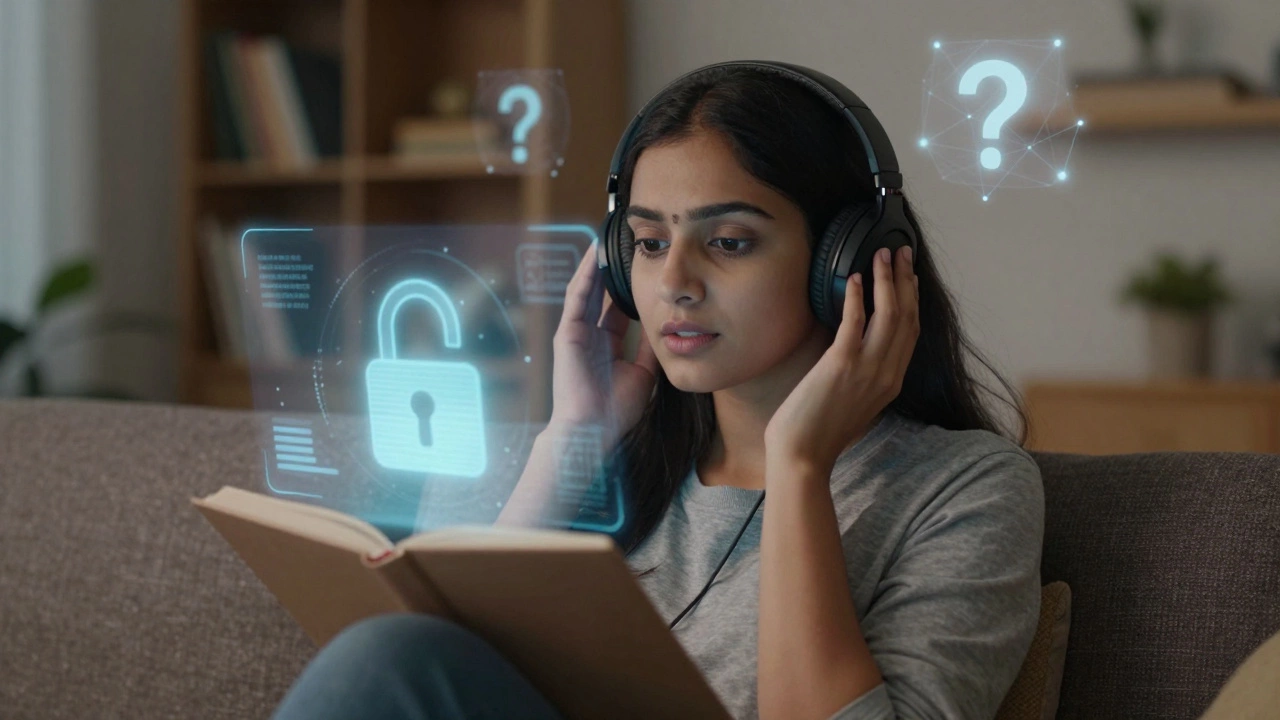
If you are interested in trying ghost reading, here are some practical steps to get started. First, explore the accessibility settings on your current devices. Both iOS and Android have robust built-in text-to-speech options. Experiment with different voices and speeds to find what works best for you. Second, consider downloading dedicated apps that offer higher quality voices and more customization options. Look for apps that prioritize user privacy and transparency about data usage.
Third, start with short content. Try having the AI read news articles or short stories before committing to a full-length novel. This allows you to gauge your comfort level with the experience. Finally, be mindful of your emotional response. Notice if you feel more relaxed or engaged when listening to AI voices compared to human ones. Use this self-awareness to maintain a balanced relationship with technology.
- Enable screen reader features on your phone for quick access.
- Use browser extensions that can read web pages aloud.
- Experiment with different voice personas to find your preference.
- Set boundaries for usage to avoid over-reliance on digital companions.
- Stay informed about updates in AI voice technology and ethics.
Conclusion
Ghost reading is more than a technological novelty; it is a reflection of our changing relationship with information and companionship. As AI continues to advance, the voices in our ears will become more realistic and pervasive. Embracing this change requires both enthusiasm and caution. By understanding the mechanics, benefits, and risks of ghost reading, we can navigate this new landscape with confidence and care. The future of reading is not just about what we see, but what we hear-and who, or what, is speaking to us.
Is ghost reading the same as audiobooks?
No, traditional audiobooks are recorded by human narrators and are fixed productions. Ghost reading uses AI to convert text into speech in real-time, allowing for customization and instant access to any written content.
Can AI voices replace human narrators entirely?
While AI voices are becoming highly realistic, they currently lack the deep emotional nuance and artistic interpretation that skilled human narrators bring. Human performance remains superior for complex literary works, though AI is catching up rapidly.
Are there privacy risks with ghost reading apps?
Yes, some apps may collect data on your listening habits or voice inputs. It is important to choose reputable providers that clearly state their privacy policies and offer options to delete your data.
How does ghost reading help people with disabilities?
It provides instant access to written content for those with visual impairments, dyslexia, or attention disorders, converting any text into audio without the need for specialized recordings.
Can I clone my own voice for ghost reading?
Some advanced platforms allow voice cloning, but this raises ethical and legal questions regarding consent and identity. Always check the terms of service and consider the implications before cloning a voice.