Is Reading Increasing or Decreasing? The Real Data Behind Screen Time vs. Book Sales
 May, 15 2026
Reading Habits & Consumption Calculator
Input Your Reading Data
Enter how many books you consumed in each format over the last month.
Your Monthly Reading Score
Based on total narrative intake
Total Books
Est. Pages
Format Breakdown
Your Reading Archetype:
Please enter data above.
Calculating...The Great Reading Debate: Are We Actually Reading Less?
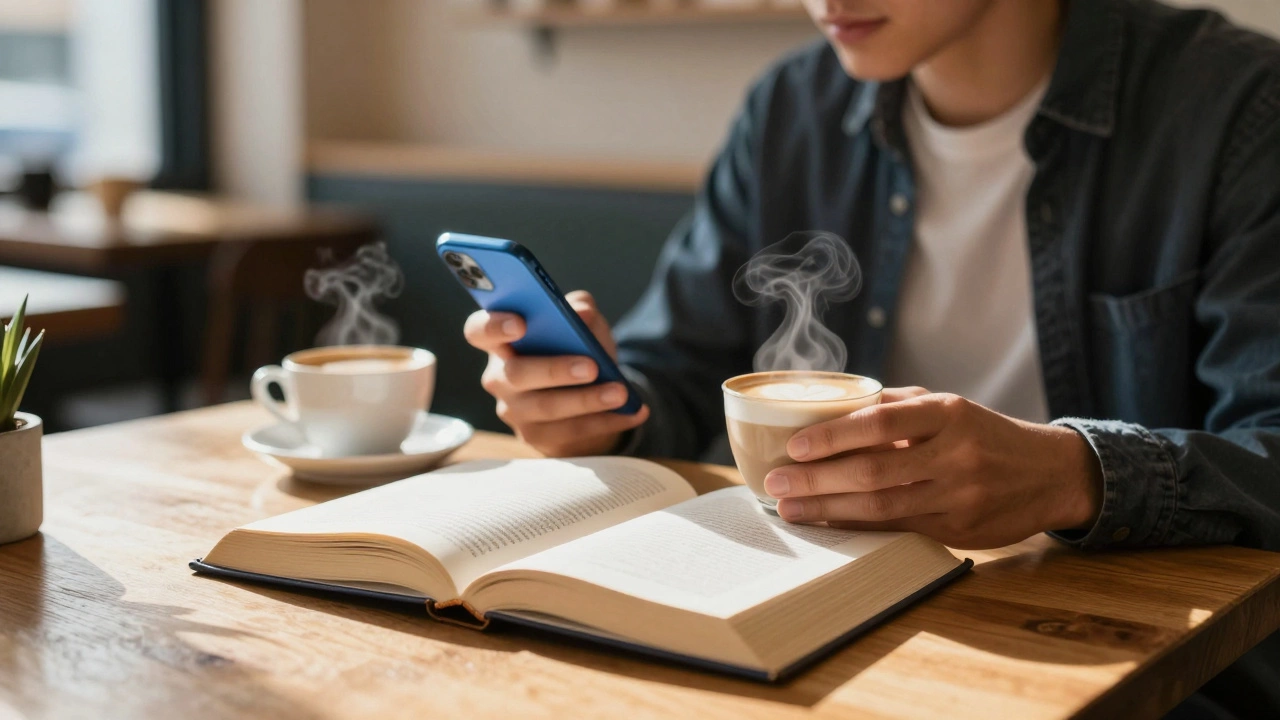
Walk into any coffee shop in Bristol today, and you’ll likely see a mix of people glued to their smartphones and others with physical books open on their laps. It’s a visual tug-of-war that has sparked endless debates among librarians, publishers, and casual readers alike. Is the habit of reading dying out, replaced by short-form video content and social media scrolling? Or is it evolving into something new, more accessible, and perhaps even more widespread than before?
The short answer is complicated. If you measure reading strictly by hours spent with a printed novel, the numbers might look bleak. But if you look at total consumption-including e-books, audiobooks, and online articles-the picture changes dramatically. We aren’t reading less; we are reading differently. The medium has shifted, but the appetite for stories and information remains robust.
What the Numbers Actually Say About Book Consumption
To understand whether reading is increasing or decreasing, we have to look past anecdotes and examine the hard data from major publishing markets. In the United Kingdom and the United States, book sales have remained surprisingly resilient despite the rise of TikTok and Instagram Reels.
In 2023 and 2024, global book revenue hit record highs, surpassing $100 billion for the first time. This wasn't just driven by children's educational materials, which saw a massive spike during the pandemic lockdowns. Adult fiction and non-fiction also grew. The "BookTok" phenomenon on TikTok alone drove millions of copies of specific titles into bestseller lists, proving that social media can actually fuel literary interest rather than kill it.
However, there is a nuance here. While *sales* are up, *completion rates* for long-form narratives have dipped slightly among younger demographics. People are buying more books, but they are also starting more of them without finishing. This suggests a change in attention span rather than a loss of interest in reading itself.
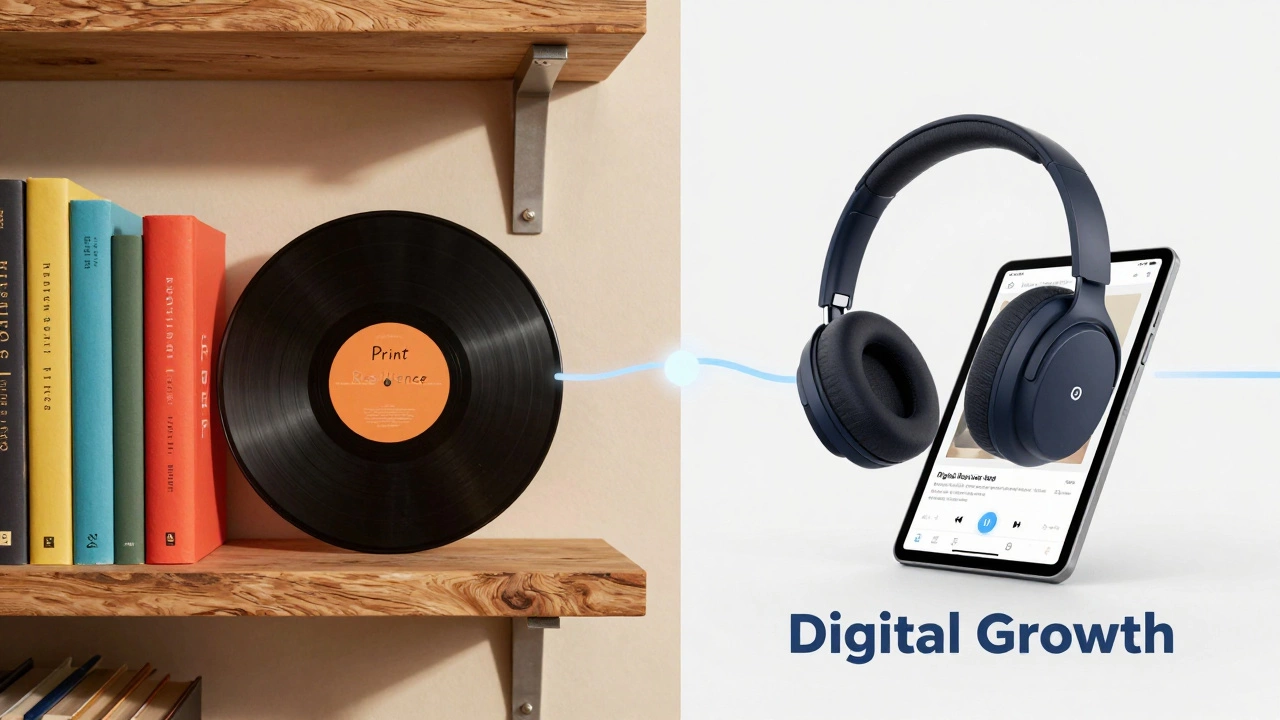
- Total Units Sold: Increased by approximately 5-7% year-over-year in major English-speaking markets.
- Audiobook Growth: Expanded by over 15% annually, becoming the fastest-growing segment.
- E-book Stability: E-book sales have plateaued, making up about 20-25% of the market, showing no significant decline but no explosive growth either.
- Print Resilience: Physical books still account for roughly 70% of all transactions, defying predictions of a paperless future.
The Rise of Audiobooks: Does Listening Count as Reading?
This is where the debate gets heated. For purists, reading requires eyes on a page. For modern consumers, absorbing a narrative through audio is functionally identical. With platforms like Audible and Spotify offering vast libraries of narrated content, the barrier to entry has lowered significantly.
Audiobooks have democratized access to literature. Commuters, parents managing household chores, and people with visual impairments or dyslexia can now engage with complex texts in ways that were previously difficult. In 2026, the line between "reader" and "listener" is blurred. If someone listens to three novels a month via podcast-style narration, are they not participating in the culture of reading?
Research from the American Library Association suggests that adults who use audiobooks often read *more* overall, not less. They supplement their physical reading with audio, creating a hybrid consumption model. This multi-format approach means that while deep, silent concentration on a single text may be declining, total narrative intake is rising.
Screen Time vs. Deep Reading: The Attention Economy
If volume isn't dropping, why does it feel like everyone is distracted? The culprit is the attention economy. Social media algorithms are designed to fragment focus, delivering dopamine hits every few seconds. This environment makes sustained engagement with a 300-page novel feel like a chore compared to scrolling through infinite feeds.
Studies on cognitive load indicate that frequent context-switching-moving from an email to a text message to a news alert-reduces our ability to enter "flow states," which are essential for deep reading. We aren't necessarily reading fewer words per day, but we are reading them in shorter bursts. Snacking on content has replaced feasting on it.
This shift has implications for comprehension. Skimming headlines and bullet points allows us to gather information quickly, but it doesn't build the critical thinking skills associated with deep reading. Educators report that students can process large amounts of data but struggle to synthesize complex arguments from longer texts. So, while the act of decoding words is stable, the skill of deep immersion is under threat.
| Format | Growth Trend (2020-2026) | Cognitive Engagement Level | Primary Audience |
|---|---|---|---|
| Physical Books | Stable / Slight Increase | High (Deep Focus) | Traditional Readers, Collectors |
| E-books | Plateaued | Medium-High | Tech-Savvy Users, Travelers |
| Audiobooks | Rapid Growth (+15%/yr) | Medium (Multitasking Friendly) | Commuters, Busy Professionals |
| Social Media Text | Explosive Growth | Low (Skimming) | Gen Z, Millennials |
Who Is Reading More? Generational Shifts
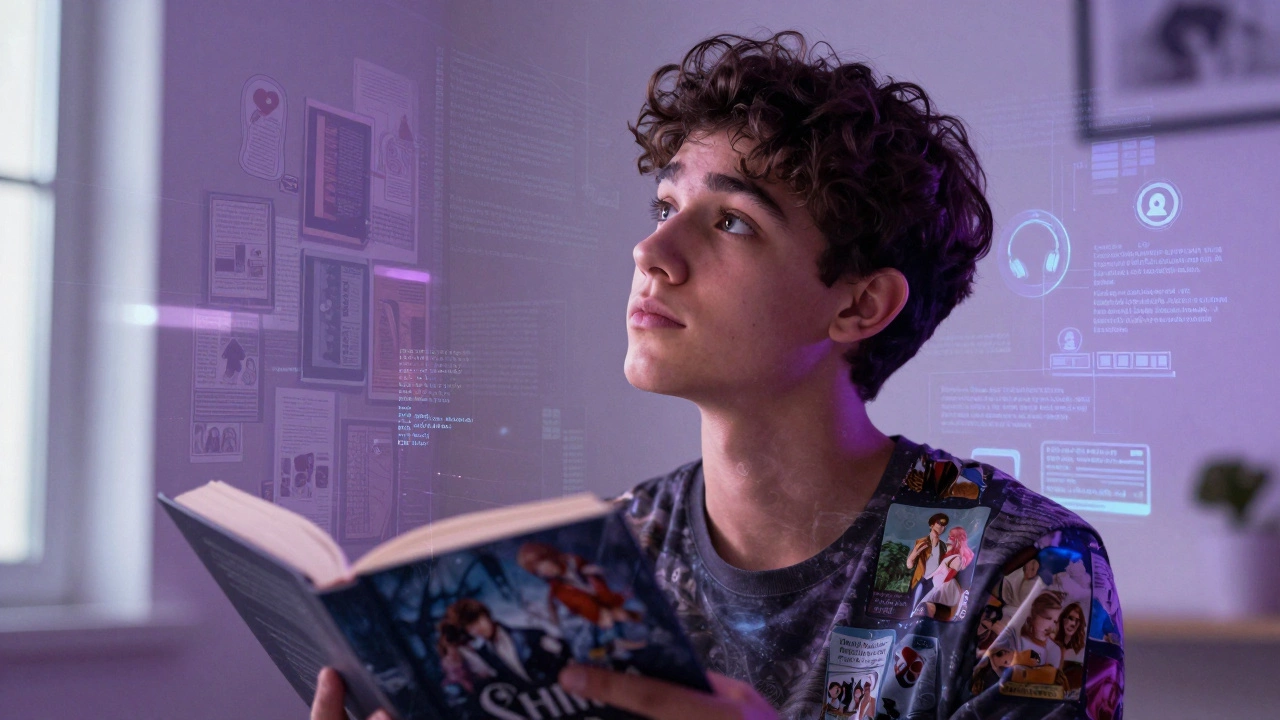
Contrary to the belief that older generations are the only ones reading, Gen Z is actually reporting higher rates of book purchase and ownership than Millennials did at the same age. According to surveys by YouGov and other market research firms, young adults are using books as a form of identity expression and mental health relief.
For many young people, owning a physical book is a status symbol and a way to disconnect from the digital noise. This "analog revival" is visible in the surge of indie bookstores and used book markets. Meanwhile, Boomers and Gen Xers continue to be the most consistent readers of newspapers and magazines, both digital and print, though their newspaper consumption is shifting heavily toward online subscriptions.
The key difference lies in *what* they are reading. Younger audiences prefer fantasy, romance, and self-help genres that offer escapism or practical life advice. Older demographics tend to stick with political commentary, history, and classic literature. Both groups are reading, but their motivations and choices diverge sharply.
The Future of Reading: Hybrid Models and AI
As we move further into 2026, artificial intelligence is beginning to reshape how we interact with text. AI summarization tools allow users to grasp the core arguments of lengthy reports in minutes. While some fear this will erode patience, others argue it helps filter signal from noise, allowing readers to choose which texts deserve deep attention.
We are also seeing the rise of interactive and personalized reading experiences. Apps that adjust font size, background color, and even pacing based on user eye-tracking data are becoming common. These technologies aim to reduce eye strain and improve retention, potentially making reading more efficient and less fatiguing.
Ultimately, reading is not a zero-sum game against technology. Instead, it is adapting to it. The future won't be defined by a choice between screens and pages, but by a seamless integration of both. The question isn't whether we are reading less, but how we can cultivate deeper attention in a world designed to distract us.
Are people really reading less than they used to?
Not necessarily. Total consumption of text, including digital articles and audiobooks, has increased. However, time spent on deep, uninterrupted reading of long-form print novels has decreased due to fragmented attention spans caused by social media.
Does listening to audiobooks count as reading?
Yes, most experts agree that audiobooks constitute reading because they involve processing language and narrative structure. Studies show that audiobook listeners often read more physical books as well, creating a hybrid habit.
Which generation reads the most?
Surprisingly, Gen Z is purchasing and owning more books than previous generations at the same age. However, older generations (Boomers and Gen X) tend to spend more consistent daily time reading newspapers and non-fiction.
Has social media killed the love for books?
No. Platforms like TikTok (specifically BookTok) have revitalized interest in certain genres, driving record sales. Social media acts as a discovery engine, though it may shorten attention spans for longer texts.
Will AI replace human reading?
AI is unlikely to replace reading but will change how we digest information. Summarization tools help filter content, but the emotional and cognitive benefits of experiencing a full narrative remain unique to human engagement.