Literary Fiction: What Makes a Book Truly Literary and How to Spot It
When we talk about literary fiction, a type of novel that prioritizes deep character exploration, emotional truth, and stylistic craft over plot-driven action. It’s not about fast-paced twists or epic battles—it’s about quiet moments that change how you see people, yourself, and the world. You’ve probably read one without realizing it. Think of a book that made you pause, reread a paragraph, or sit quietly after finishing. That’s literary fiction at work.
It’s often confused with genre fiction, stories built around clear rules and expectations like mystery, sci-fi, or romance. But while genre fiction asks, "What happens next?" literary fiction asks, "Why does it matter?" A detective novel might solve a crime. A literary novel might make you wonder if justice ever really exists. narrative storytelling, the art of shaping a story through voice, rhythm, and perspective is the backbone here—not just telling events, but making you feel them in your bones. And then there’s the bildungsroman, a coming-of-age story where the main character’s inner growth drives the whole book. Think of a teenager learning who they are, not through grand adventures, but through loneliness, mistakes, and small acts of courage.
What sets literary fiction apart isn’t fancy words or long sentences. It’s honesty. It’s the kind of book that doesn’t give you easy answers, but makes you ask better questions. You won’t find heroes and villains here—you’ll find people who are messy, contradictory, and real. The writing doesn’t just describe emotion; it makes you feel it. That’s why these books stay with you. They don’t entertain you—they change you.
Some people say literary fiction is pretentious. But that’s not true. It’s just not trying to be a quick fix. It’s asking you to slow down, sit with discomfort, and listen closely. If you’ve ever finished a book and felt like you’d lived through something, that’s literary fiction. And if you’re ready to find more of them, you’re in the right place.


How to Write a Cultural Story That Resonates
Learn how to write a cultural story that goes beyond stereotypes by focusing on quiet rituals, authentic language, and deep emotional truth - not exoticism or surface details.
Read More
What Does 'Shake Me Up' Mean in Bleak House?
The phrase 'shake me up' isn't in Bleak House, but its emotional core runs through every character's collapse under systemic injustice. Dickens didn't need to say it-he made you feel it.
Read More
Who is Hermione Granger's daughter in the Harry Potter universe?
Hermione Granger's daughter is Rose Granger-Weasley, born after the war and raised in a world shaped by her parents' courage. She embodies the quiet legacy of peace, not prophecy.
Read More
What Is an Example of a Cultural Narrative?
Cultural narratives are the unspoken stories that shape how societies think, behave, and value success, identity, and belonging. From the American Dream to the hero's journey, these stories influence everything from careers to relationships-even when they're not true.
Read More
Can Narratives Make an Argument? How Stories Shape Beliefs and Change Minds
Stories don't just entertain-they shape what we believe is true. Discover how cultural narratives make arguments more powerful than facts alone, and why the best persuasion happens when people feel, not just think.
Read More
What Is a Bildungsroman? Simple Definition and Real Examples
A bildungsroman is a novel about growing up-not with triumphs, but with quiet, painful realizations. It’s the story of becoming yourself, not becoming someone else.
Read More
What Is One Example of Cultural Context in a Story?
Cultural context in stories shapes how characters think, act, and feel. One powerful example is the concept of 'saving face' in Chinese literature, where personal desires are suppressed to protect family honor.
Read More
Is Sci Fi a Literary Fiction? The Line Between Speculation and Story
Sci fi isn't just spaceships and aliens - some of the most profound human stories are told within it. Is it literary fiction? The answer isn't yes or no - it's about depth, language, and truth.
Read More
What is Literary Fiction? Definition, Traits, and How It Differs from Genre Fiction
Explore what literary fiction really means, its key traits, differences from genre fiction, notable authors, and tips for readers in a clear, engaging guide.
Read More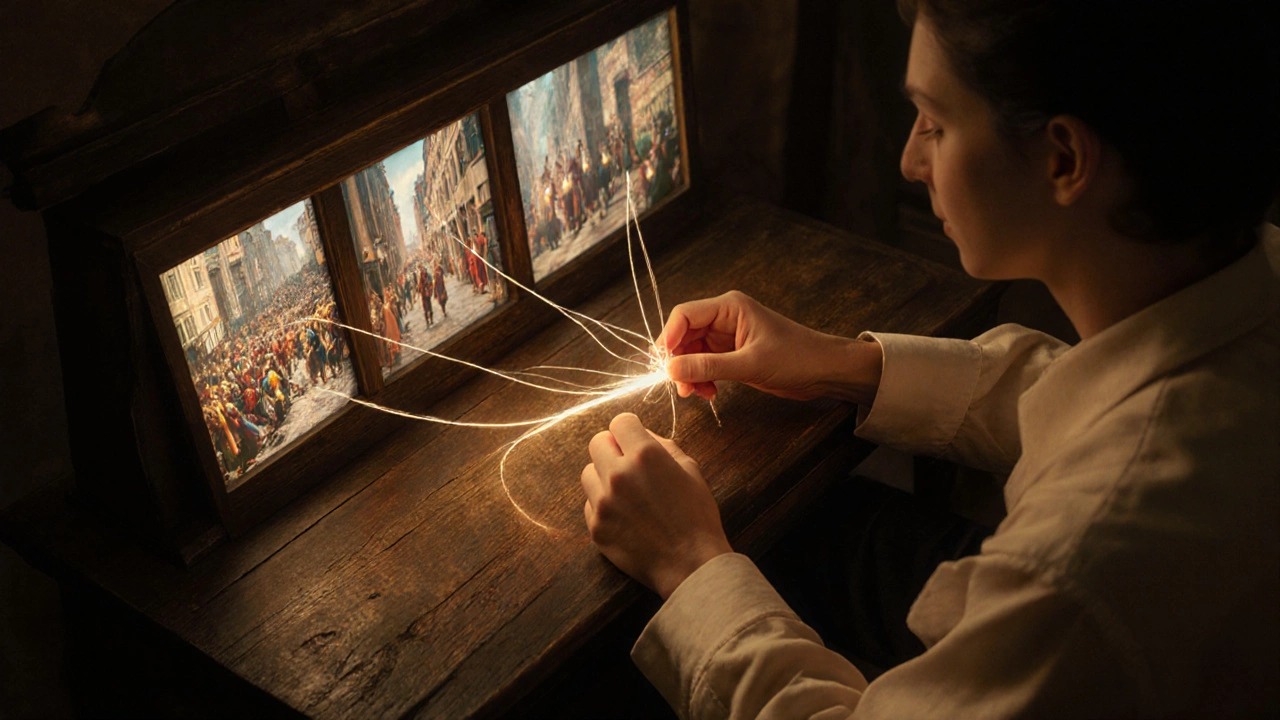
Narrative Storytelling Explained: How to Craft Compelling Stories
Explore narrative storytelling, its core elements, step‑by‑step guide, common pitfalls, and a handy checklist to craft compelling stories.
Read More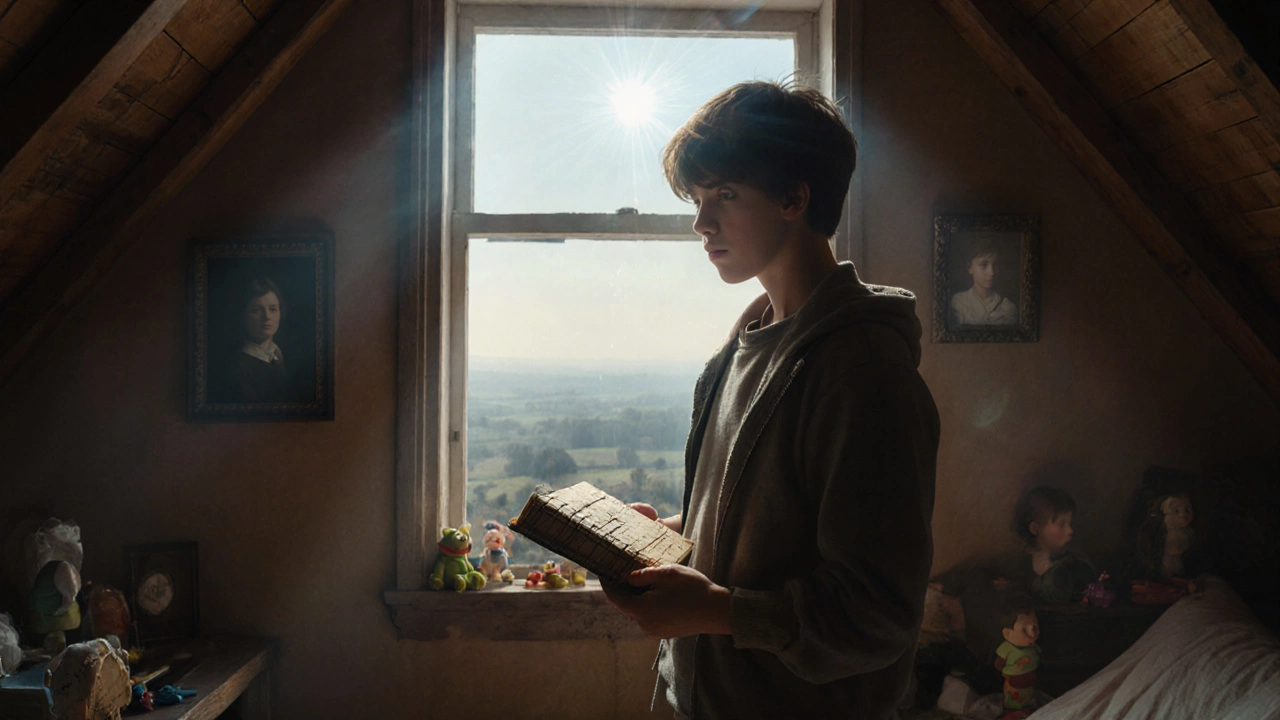
Four Stages of a Bildungsroman: A Clear Guide
Discover the four classic stages of a Bildungsroman, see how they shape coming‑of‑age novels, and learn to spot or write the perfect growth arc.
Read More- 1
- 2