What Is One Example of Cultural Context in a Story?
 Dec, 5 2025
Think about the last time you read a story that felt strange-like something didn’t quite click. Maybe a character refused to eat certain food, bowed instead of shaking hands, or stayed silent when you expected them to speak up. That wasn’t a plot hole. That was cultural context. It’s the invisible architecture beneath every story, shaping how characters think, act, and react. Without it, even the most dramatic scenes fall flat.
Why cultural context matters more than you think
Cultural context isn’t just background decoration. It’s the reason a character in a Japanese novel might apologize for existing, while a character in an American one might boast about their achievements. It’s why a Nigerian parent in a novel might insist their child become a doctor-not because they’re controlling, but because in many West African communities, medicine is seen as the only path to dignity and security. These aren’t quirks. They’re deeply rooted values passed down through generations.
When writers ignore cultural context, stories become generic. Characters feel like cardboard cutouts. Readers from that culture feel alienated. Readers from other cultures get confused. The story loses its truth.
One clear example: The concept of ‘face’ in Chinese literature
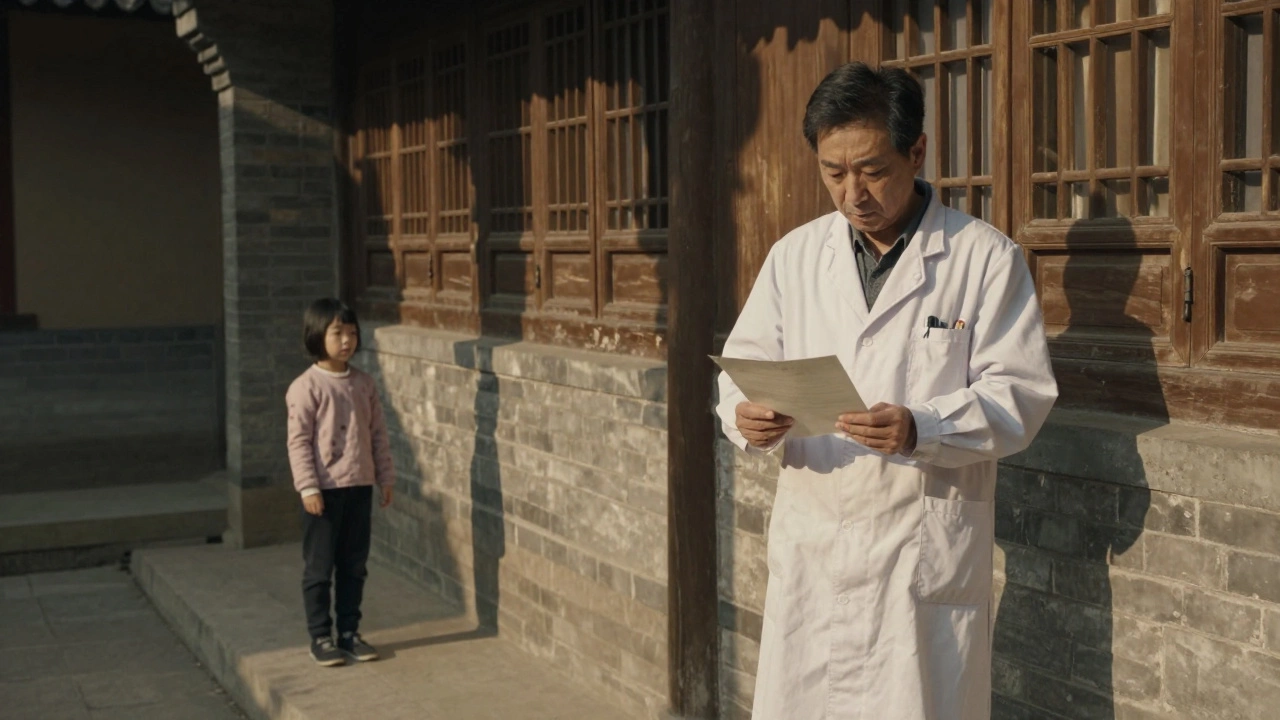
Take the 2003 novel Waiting by Ha Jin. It’s set in rural China during the Cultural Revolution. The main character, Lin, is a doctor trapped in a loveless marriage. He waits years to divorce his wife so he can marry the woman he loves. But he doesn’t act on his feelings-even when he has the chance. Why?
Because in Chinese culture, ‘saving face’ is more important than personal happiness. Public shame, gossip, and social disapproval can destroy a family’s standing for generations. Lin knows that if he files for divorce, his colleagues will whisper. His daughter might be bullied. His parents will be seen as failures. So he waits. Not because he’s weak. Because he’s protecting his family’s honor.
This isn’t just a character trait. It’s a cultural rule. And Ha Jin doesn’t explain it outright. He shows it through silence, hesitation, and small gestures. That’s how cultural context works in great storytelling-it’s felt, not stated.
How cultural context shapes conflict
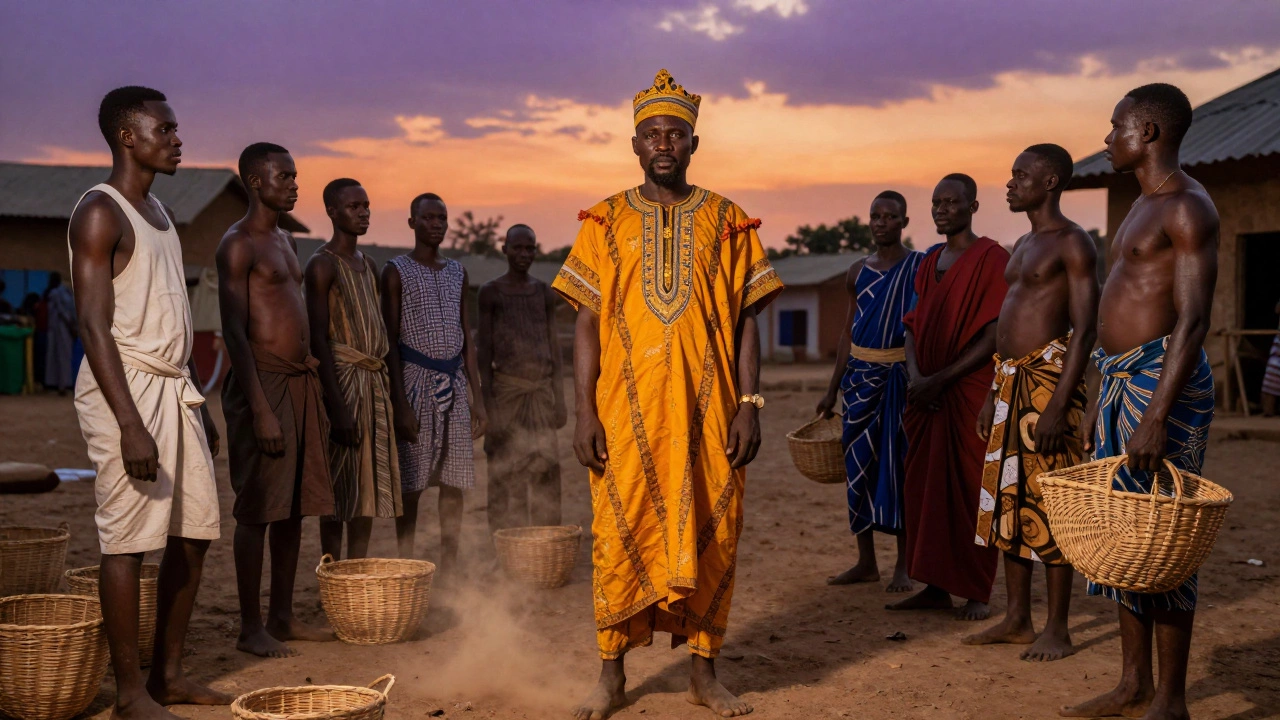
Conflict in stories doesn’t come from villains with mustaches. It comes from clashing values. In Things Fall Apart by Chinua Achebe, the protagonist Okonkwo is a proud warrior in a Nigerian village. When British missionaries arrive, they don’t just bring religion-they bring a new way of seeing the world. To Okonkwo, their gods are weak. To the missionaries, his traditions are primitive.
The real tragedy isn’t that Okonkwo loses his power. It’s that his entire worldview-his sense of identity, his place in the world-is being erased by a culture that doesn’t understand him. The conflict isn’t about land or money. It’s about whose story gets to be told as ‘normal.’
That’s cultural context in action: two systems of belief, both valid in their own world, crashing into each other. And the characters are caught in the middle.
Why you can’t just ‘add culture’ like seasoning
Some writers think cultural context means adding a few details: a character eats sushi, wears a sari, or celebrates Diwali. That’s not cultural context. That’s costume.
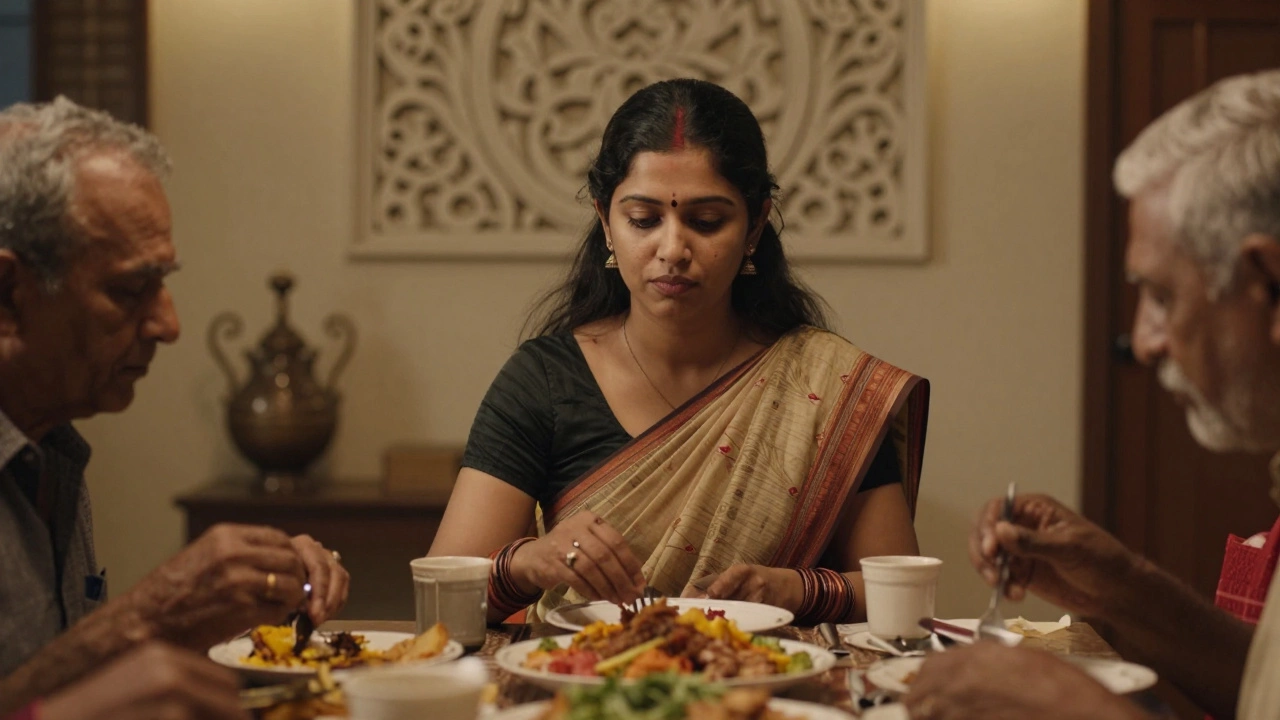
Real cultural context is deeper. It’s why that character refuses to eat sushi in front of their boss, even though they love it. Because in their community, eating ‘foreign’ food in public is seen as rejecting your roots. It’s why a young woman in a traditional Indian household might not say no to an arranged marriage-not because she’s passive, but because saying no could bring shame to her entire family.
Cultural context isn’t about what people do. It’s about why they do it. And why they don’t do other things.
How to spot cultural context in stories you read
Next time you read a novel, ask yourself these questions:
- Why does this character feel guilty about something others don’t?
- What are they afraid to say out loud?
- What’s the unspoken rule they’re following?
- What would happen if they broke it?
These questions reveal the hidden rules of the world the author built. In The Kite Runner, Amir’s guilt over betraying his friend Hassan isn’t just about friendship. It’s about class, ethnicity, and the unbreakable hierarchy between Pashtuns and Hazaras in Afghanistan. That’s cultural context. It’s not mentioned in a lecture. It’s woven into every decision he makes.
What happens when cultural context is missing
Look at some Hollywood adaptations of non-Western stories. A character from a collectivist culture suddenly becomes a lone hero who defies the group. They speak directly to authority figures. They express emotions openly. It feels wrong because it’s culturally inaccurate.
That’s not storytelling. That’s erasure. And audiences notice-even if they can’t explain why.
When cultural context is ignored, stories lose their soul. They become flat, predictable, and forgettable. But when it’s handled with care, stories become powerful. They let readers step into someone else’s world-not as a tourist, but as a guest who understands the rules.
Why this matters for readers and writers alike
Reading stories with strong cultural context doesn’t just make you a better reader. It makes you a more thoughtful person. You start to see why people act the way they do-not just in books, but in real life. You stop judging. You start understanding.
For writers, it’s the difference between writing a story and writing a world. One sentence about a character’s family history can carry more weight than a whole chapter of action. A single gesture-a folded hand, averted eyes, a shared meal-can say everything.
Cultural context is what turns fiction into truth. It’s what makes stories stick with you long after you close the book.