How to Write a Cultural Story That Resonates
 Mar, 20 2026
Writing a cultural story isn’t about adding spices to a plot. It’s not about dressing up characters in traditional clothes or dropping in a few folktales for flavor. Real cultural storytelling digs deeper - into how people think, how they grieve, how they laugh when no one’s watching. It’s about the unspoken rules, the quiet rituals, the way a grandmother hums a lullaby that hasn’t changed in three generations.
Start with the everyday, not the exotic
Too many stories about culture get stuck on festivals, costumes, or food markets. Those things matter, sure - but they’re surface. The real heart of a cultural story lives in the mundane. The way a Filipino family eats dinner together without anyone saying, "Let’s eat." The silence that falls in a Japanese household when someone mentions a lost relative. The way a Nigerian mother checks her daughter’s braids three times before she leaves the house - not because she’s strict, but because she remembers what happened to the girl next door.
When you write these moments, you don’t need to explain them. Readers don’t need to be told, "This is how we do it." They just need to feel it. A character in a Guatemalan village might carry a small stone in their pocket every day - not because it’s lucky, but because their father gave it to them the day he disappeared. That stone isn’t a symbol. It’s a habit. And habits are where culture lives.
Let language shape the rhythm
Language isn’t just words. It’s pulse. In a Tamil story, sentences might curl like incense smoke - long, layered, full of metaphor. In a Maori narrative, silence between lines carries as much weight as the words themselves. When you write a cultural story, you don’t translate culture into English. You let the culture’s rhythm speak through the English you use.
Try this: write a scene where someone argues with their sibling. Now rewrite it using the sentence structure of the culture you’re writing about. If the culture values indirectness, don’t let the character say, "I’m angry." Let them say, "I saw the moon last night. It was full, like the night we buried Abuela." The reader will feel the tension without being told.
Don’t add untranslated phrases just to sound "authentic." If you use a word like "saudade" (Portuguese) or "ubuntu" (Zulu), make sure it’s not just dropped in. Show it. Let the character live it. A character who says, "I feel saudade," doesn’t help. A character who stares at an empty chair at dinner every Sunday, quietly setting an extra plate, does.
Respect the hierarchy - even the invisible ones
Every culture has unspoken power structures. Who speaks first at the table? Who decides when the family moves? Who gets the last piece of bread? These aren’t just customs. They’re emotional geography.
In a Korean family, the eldest son might not be the boss - but he carries the weight of expectation. In a Navajo community, elders don’t always speak the loudest, but their words carry the most weight. In a rural Indonesian village, the youngest daughter might be the one who knows all the family secrets - not because she’s nosy, but because she’s the one who stays home to care for her grandmother.
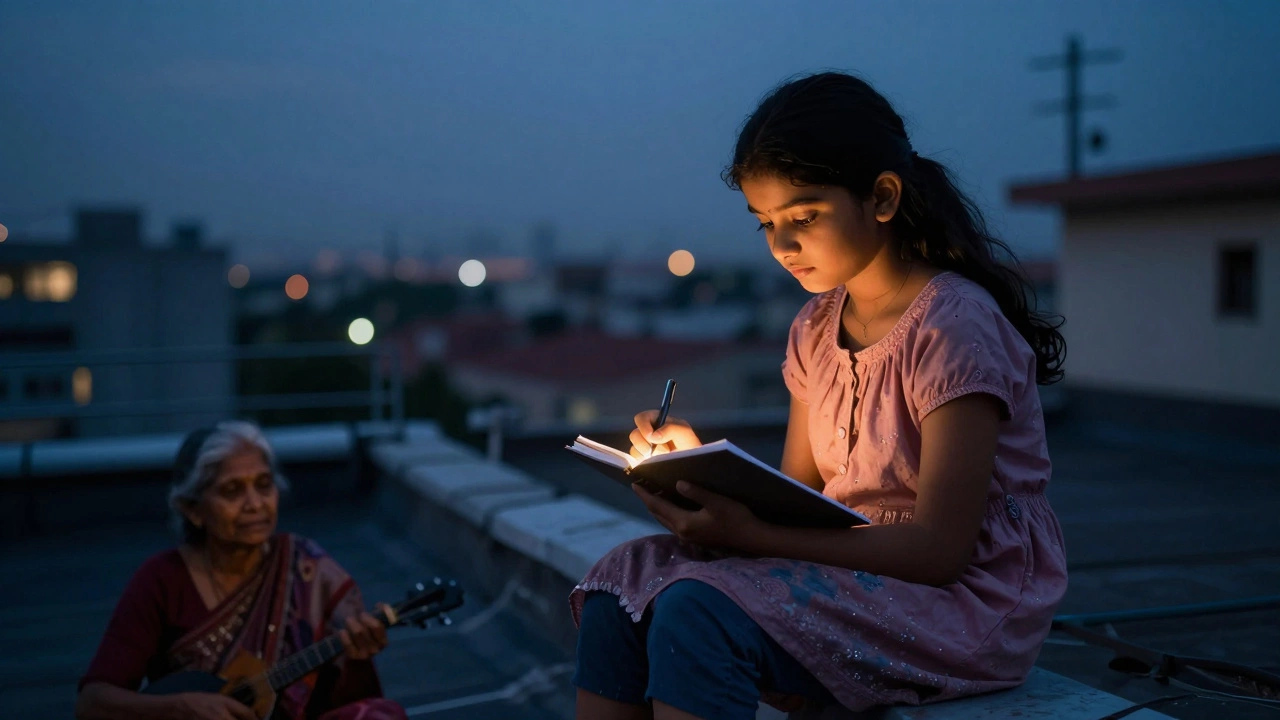
Don’t make your characters rebels just to make them "interesting." Real cultural tension comes from people trying to honor their roots while quietly changing them. A young woman in a Hmong community might start writing poems - not to rebel, but because her grandmother’s lullabies are fading, and she’s afraid no one will remember them.
Use ritual, not spectacle
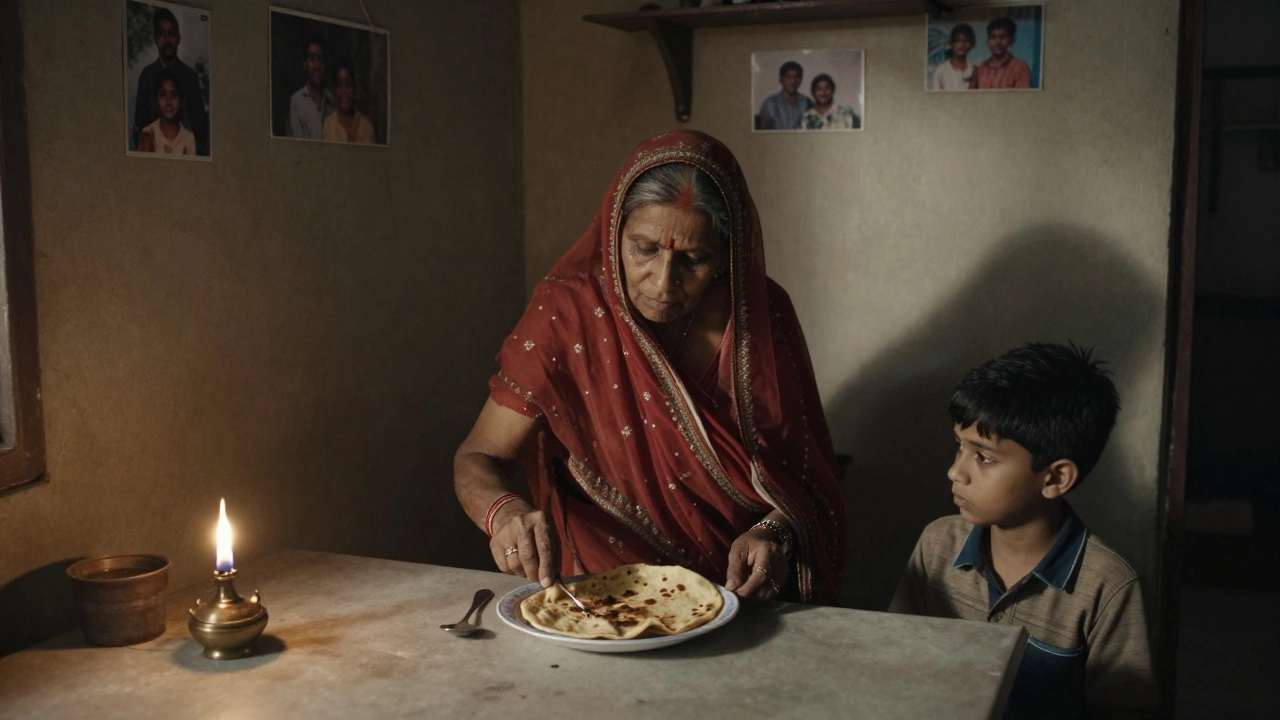
Don’t write about weddings. Write about the way the groom’s mother hides a coin in his shoe - not for luck, but because her mother did it when she married a man who left her. Write about the way a Sicilian widow still sets a plate for her husband every Friday, even though he’s been gone for twenty years. Rituals aren’t about tradition. They’re about love that won’t let go.
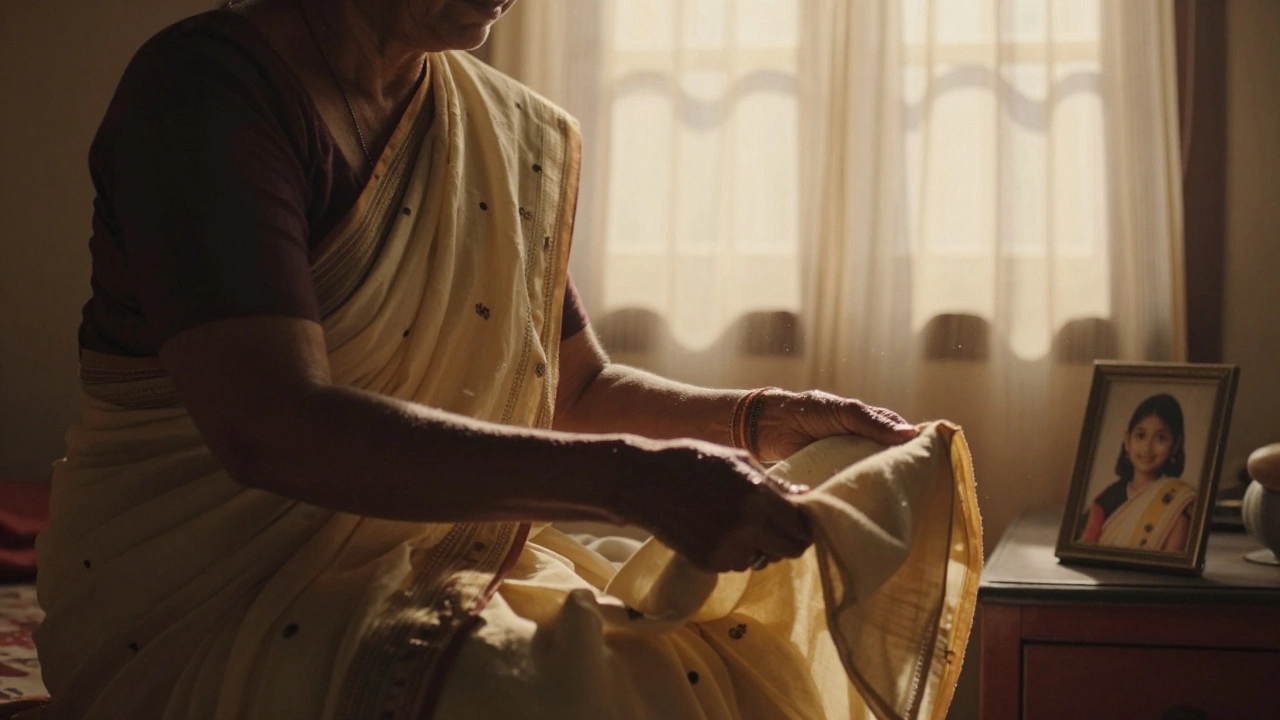
These moments aren’t dramatic. They’re quiet. They happen in kitchens, at dawn, after the lights are off. That’s where culture lives - not in parades, but in the way someone folds their laundry just so, because that’s how their mother taught them to honor the cloth.
Listen before you write
You can’t write a cultural story from a library. You have to sit with people. Not as a researcher. Not as a tourist. As someone who’s willing to be quiet.
Ask open questions: "What’s something your family does that no one else understands?" "What’s a rule no one talks about but everyone follows?" "What’s a story you’ve heard so many times it feels like it’s your own?"
Record their answers. Don’t edit them. Don’t try to make them fit your idea of "authentic." Let them be messy. Let them be contradictory. Culture isn’t a textbook. It’s a living thing - full of contradictions, regrets, and stubborn hope.
Don’t speak for others
If you’re writing outside your own culture, you have a responsibility. Not to be "perfect," but to be humble. Ask: Who am I to tell this story? Why this story? Who will read it? Who might be hurt by it?
There’s a difference between telling a story about a culture and telling a story from within it. If you’re not from that culture, your job isn’t to explain it. It’s to amplify it. Find someone from that community. Ask them to read your draft. Listen. Even if it hurts. Even if they say, "This isn’t how we are."
And if they say, "You shouldn’t write this," believe them. Not because you failed - but because culture isn’t a costume you can borrow.
What makes a cultural story stick?
It’s not the exotic. It’s the intimate. It’s the way a Palestinian child learns to say "peace" before they learn to say "war." It’s the way a Sami grandmother teaches her granddaughter to read the wind, not the map. It’s the way a Black American family still says grace before every meal - not because they’re religious, but because their grandfather said it every night after he came home from a job that never paid him enough.
These stories don’t need to be grand. They don’t need to change the world. They just need to be true. To someone. To one person. That’s enough.
When you write a cultural story, you’re not collecting artifacts. You’re handing someone a mirror. And if you do it right, they’ll look into it and say, "Yes. That’s how it is. I forgot I remembered that."
What’s the biggest mistake people make when writing cultural stories?
The biggest mistake is treating culture like a backdrop instead of a character. Too many writers add "ethnic flavor" - spices, clothes, music - without understanding the values, fears, and rhythms behind them. A cultural story isn’t about what people wear. It’s about why they wear it. Why they say certain things. Why they stay silent. If you can’t answer those questions, you’re not writing culture. You’re writing a costume.
Can I write a cultural story if I’m not from that culture?
Yes - but with deep humility. You can’t write from the inside unless you’ve lived it. But you can write with respect by listening more than you speak. Find a sensitivity reader from that culture. Read their feedback. Accept that you’ll never fully understand. And if someone from that community tells you your story is wrong, believe them. Your job isn’t to claim their truth. It’s to make space for it.
How do I avoid stereotypes in cultural storytelling?
Stereotypes thrive on generalizations. To avoid them, focus on one person - not a group. Write about one grandmother, one uncle, one child. Give them contradictions. Let them be angry, lazy, funny, and broken. A stereotype is one trait applied to everyone. A real person is a thousand small, messy moments. The more specific you are, the less room there is for clichés.
Do I need to include traditional myths or folklore?
No. Many of the most powerful cultural stories don’t mention myths at all. They focus on the quiet rituals: how someone wakes up, what they eat for breakfast, how they say goodbye. Myths are part of culture - but so is the way someone folds a towel. Don’t force folklore in because you think it’s expected. Let the story decide what matters.
How do I know if my cultural story is authentic?
Authenticity isn’t about accuracy. It’s about resonance. If someone from that culture reads your story and says, "That’s how it felt," then you’ve done it. You don’t need to get every detail right. You need to capture the emotional truth. The smell of wet earth after rain. The way silence stretches before someone says something hard. The weight of a name passed down but never spoken aloud. Those are the details that stick.
Writing a cultural story is like holding a candle in a dark room. You don’t need to light the whole house. You just need to show one corner - clearly, gently - so someone else can recognize their own shadow in it.