What Is a Bildungsroman? Simple Definition and Real Examples
 Dec, 9 2025
Bildungsroman Detector
What is a Bildungsroman?
A bildungsroman is a novel of formation where the main character undergoes internal growth from youth to adulthood, often ending with realistic acceptance rather than traditional success. Key characteristics include earned internal change, struggles, and honest conclusions.
- Character changes internally—not just in status or situation
- Change is earned through struggle, not luck or magic
- Ending is honest—not necessarily happy or triumphant
- World feels real, not just a backdrop
- Character's voice evolves as they grow
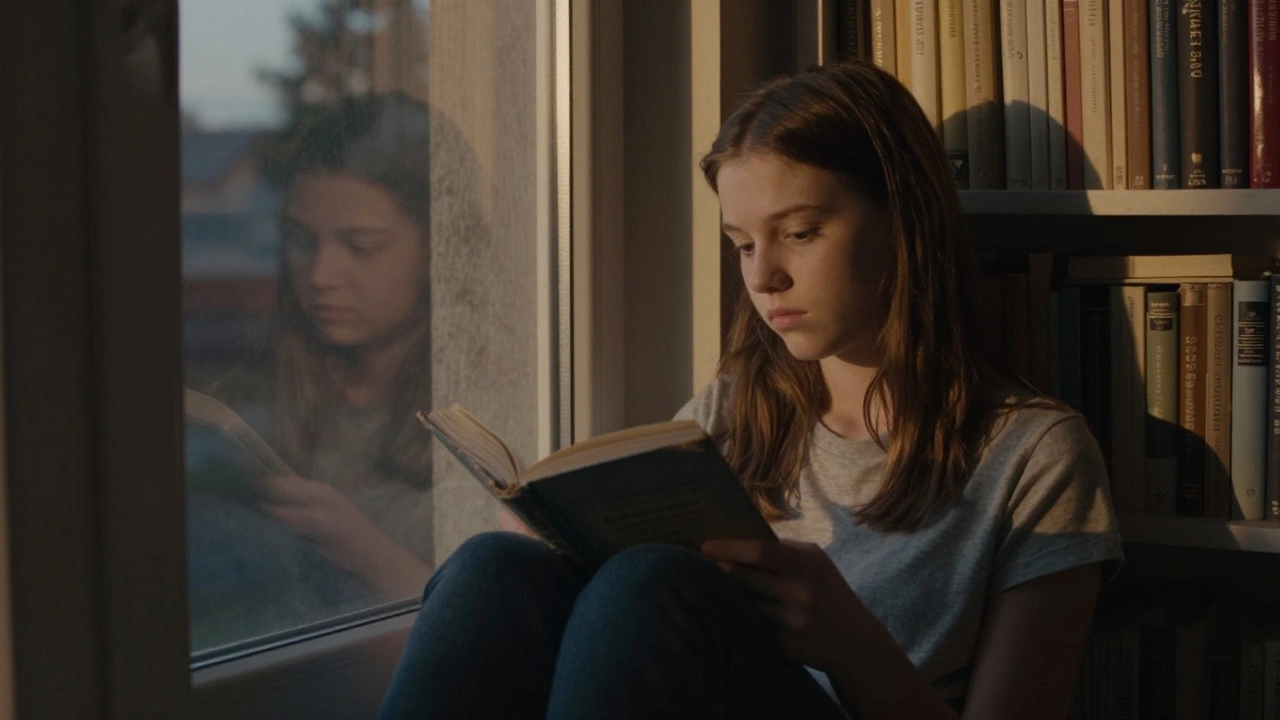
Ever read a book where the main character starts out young, confused, and a little lost-and by the end, they’ve changed in ways that feel real, messy, and deeply human? That’s probably a bildungsroman. It’s not a fancy word for a love story or a thriller. It’s a specific kind of novel built around one thing: growing up.
What Exactly Is a Bildungsroman?
The word comes from German: Bildung means education or formation, and Roman means novel. So, literally, it’s a “novel of formation.” But you don’t need to know German to get it. Think of it as the story of someone becoming themselves.
It’s not about big explosions or solving crimes. It’s about quiet moments-first heartbreak, realizing your parents aren’t perfect, choosing a path that doesn’t make your family happy, failing at something important and picking yourself back up. The plot isn’t driven by external events. It’s driven by inner change.
The main character usually starts as a child or teenager. They’re idealistic, naive, or out of place. Life throws them curveballs-loss, rejection, confusion, betrayal. Over time, they learn hard truths. They shed illusions. They make mistakes. And slowly, they start to understand who they are and how the world works. That’s the whole point.
How Is It Different From Other Coming-of-Age Stories?
You might hear “coming-of-age” used for movies, TV shows, or even short stories. But a bildungsroman is more specific. It’s a full-length novel that follows the character’s entire journey from youth to adulthood, usually ending with them accepting their place in society-even if that place isn’t perfect.
Not every story where a kid grows up is a bildungsroman. If the character ends up richer, more famous, or more powerful, it’s probably not one. The real bildungsroman doesn’t promise success. It promises maturity. The character might end up working a boring job, living alone, or feeling lonely. But they’re no longer pretending. They’ve seen the world clearly-and that’s the victory.
Compare it to a hero’s journey, where the main character defeats a villain and saves the day. In a bildungsroman, the villain is often society, family expectations, or their own self-doubt. And the victory? Just being able to live honestly.
Classic Examples You’ve Probably Read
One of the earliest and most famous is Jane Eyre by Charlotte Brontë. Jane starts as a poor, orphaned girl treated like dirt. She’s told she’s unlovable, unimportant. But she holds onto her sense of self. She leaves bad situations. She refuses to become someone else’s possession-even for love. By the end, she’s not rich or famous. She’s just free. And that’s the point.
Then there’s The Catcher in the Rye by J.D. Salinger. Holden Caulfield spends the whole book hating “phonies.” He’s angry, lost, and doesn’t know what he wants. He doesn’t find answers. He doesn’t fix his life. But he starts to understand that growing up means accepting that not everyone is fake-and not everything needs to be fixed.
David Copperfield by Charles Dickens is another classic. David goes from a neglected child to a struggling writer. He’s betrayed, poor, and confused. He falls for the wrong people. He learns to trust his own voice. The novel ends with him writing his own story-finally in control of his own narrative.
Modern examples? A Little Life by Hanya Yanagihara. My Brilliant Friend by Elena Ferrante. Even Normal People by Sally Rooney. All of them track how people change over years-not because something big happens, but because they slowly, painfully, learn how to be themselves.

Why Does This Genre Matter?
We don’t read bildungsromans because we want to escape reality. We read them because we recognize ourselves in them.
Most of us didn’t grow up in a castle or fight dragons. We grew up in classrooms, kitchens, and bedrooms. We learned about love from awkward dates. We learned about failure from bad grades and broken friendships. We learned about identity from who liked us-and who didn’t.
A bildungsroman doesn’t give you answers. It gives you company. It says: You’re not alone in feeling lost. You’re not broken for changing your mind. You’re not weak for needing time.
It’s the opposite of self-help books that promise quick fixes. This genre says: Growth is slow. It’s messy. It’s not linear. And that’s okay.
What Makes a Good Bildungsroman?
Not every book with a young protagonist counts. Here’s what separates the real ones:
- The main character changes internally-not just in status or situation.
- The change is earned through struggle, not luck or magic.
- The ending isn’t happy in a traditional sense-it’s honest.
- The world around them feels real, not just a backdrop.
- The character’s voice evolves as they grow. You can feel the shift in how they think and speak.
Bad bildungsromans try to force growth. They make the character suddenly wise after one big event. Real ones make you feel every step-every doubt, every quiet realization, every time they look in the mirror and don’t recognize themselves anymore.
Who Reads These Books?
You don’t have to be a teenager to love a bildungsroman. In fact, many of the most powerful readers are adults looking back.
People in their 30s and 40s often return to these books because they see their own past in them. They remember being 17 and thinking the world was black and white. Now they know it’s all shades of gray-and that’s okay.
Teachers assign these books not because they’re “important literature.” They assign them because they help students see that confusion isn’t failure. That loneliness isn’t permanent. That becoming yourself is a lifelong process, not a finish line.
Can a Bildungsroman Be Dark?
Absolutely. Some of the most powerful ones are.
A Little Life doesn’t end with healing. It ends with grief. But it’s still a bildungsroman because it tracks how trauma shapes identity over decades. The character doesn’t “get better.” He learns how to carry his pain without letting it destroy him.
Persepolis by Marjane Satrapi is a graphic novel about a girl growing up during the Iranian Revolution. She’s forced to grow up fast. She loses her innocence. She leaves her country. She returns. She doesn’t find peace. But she finds her voice. That’s the point.
The darkness doesn’t ruin the story. It makes it real. Because growing up isn’t always pretty. Sometimes it’s ugly. Sometimes it hurts. And that’s what makes these stories stick with you.
Why You Should Read One
If you’ve ever felt like you’re behind, like you should’ve figured out life by now, read a bildungsroman.
They don’t tell you what to do. They just show you how others stumbled, doubted, and kept going anyway. You’ll see that no one really has it figured out. Not even the people who seem like they do.
These books don’t promise transformation. They promise understanding. And sometimes, that’s enough.
Is a bildungsroman the same as a coming-of-age story?
All bildungsromans are coming-of-age stories, but not all coming-of-age stories are bildungsromans. A bildungsroman is a full-length novel that follows a character’s psychological and moral growth from youth to adulthood, ending with a realistic, often quiet, acceptance of their place in the world. Other coming-of-age stories might be short films, novellas, or end with triumph rather than maturity.
Do the characters in a bildungsroman always succeed?
No. Success in a bildungsroman isn’t measured by wealth, fame, or status. It’s measured by self-awareness. The character might end up working a low-paying job, living alone, or feeling isolated. But they no longer lie to themselves. That’s the win.
Can a bildungsroman have multiple main characters?
Traditionally, bildungsromans focus on one central character’s growth. But modern versions, like Elena Ferrante’s My Brilliant Friend, use two characters to reflect each other’s development. Even then, the story still centers on how each one changes internally over time.
Are bildungsromans only for young readers?
No. While they often feature young protagonists, adults read them to reconnect with their own growth. Many find comfort in seeing their past struggles reflected honestly-without sugarcoating or easy answers.
What’s the difference between a bildungsroman and a memoir?
A memoir is a true account of someone’s life. A bildungsroman is a fictional story, even if it’s based on real experiences. The key difference is invention: the author shapes events, dialogue, and emotions to serve the theme of growth-not to report facts.
Where to Start
If you’ve never read one, try Jane Eyre or The Catcher in the Rye. Both are short, powerful, and clear. If you want something more recent, pick up Normal People or My Brilliant Friend. You don’t need to like every page. You just need to recognize yourself in the silence between the words.