Bildungsroman: The Coming-of-Age Stories That Shape Who We Become
At its core, a bildungsroman, a novel focused on the psychological and moral growth of a protagonist from youth to adulthood. Also known as a coming-of-age story, it’s not just about growing older—it’s about figuring out who you are when the world keeps changing the rules. Think of it as the internal map someone draws while navigating loss, first love, betrayal, and the quiet moments that change everything.
This kind of story doesn’t need dragons or space ships. It needs real people wrestling with real questions: Why am I like this? Who do I want to be? Can I ever escape my past? You’ll find these themes in young adult literature, a category built on emotional truth and identity exploration, and they’re also the backbone of much literary fiction, stories that prioritize inner life over plot. The best bildungsromans don’t wrap up neatly. They leave you thinking about your own teenage years—not because they’re perfect, but because they’re painfully honest.
What makes a bildungsroman stick? It’s the slow build. The quiet rebellion. The moment a character realizes their parents aren’t gods, their friends aren’t forever, and their dreams might not look like they planned. These stories mirror how personality actually forms—not through grand events, but through small, repeated choices. That’s why they connect so deeply with readers who’ve ever felt lost, out of place, or unsure if they’re becoming who they’re supposed to be. You don’t need to be a teen to feel this. You just need to remember what it felt like to figure things out for the first time.
Below, you’ll find posts that dig into the heart of these stories—how they’re built, why they matter, and which ones stick with you long after the last page. Whether you’re looking for examples, analysis, or just the books that made you feel seen, this collection has you covered.
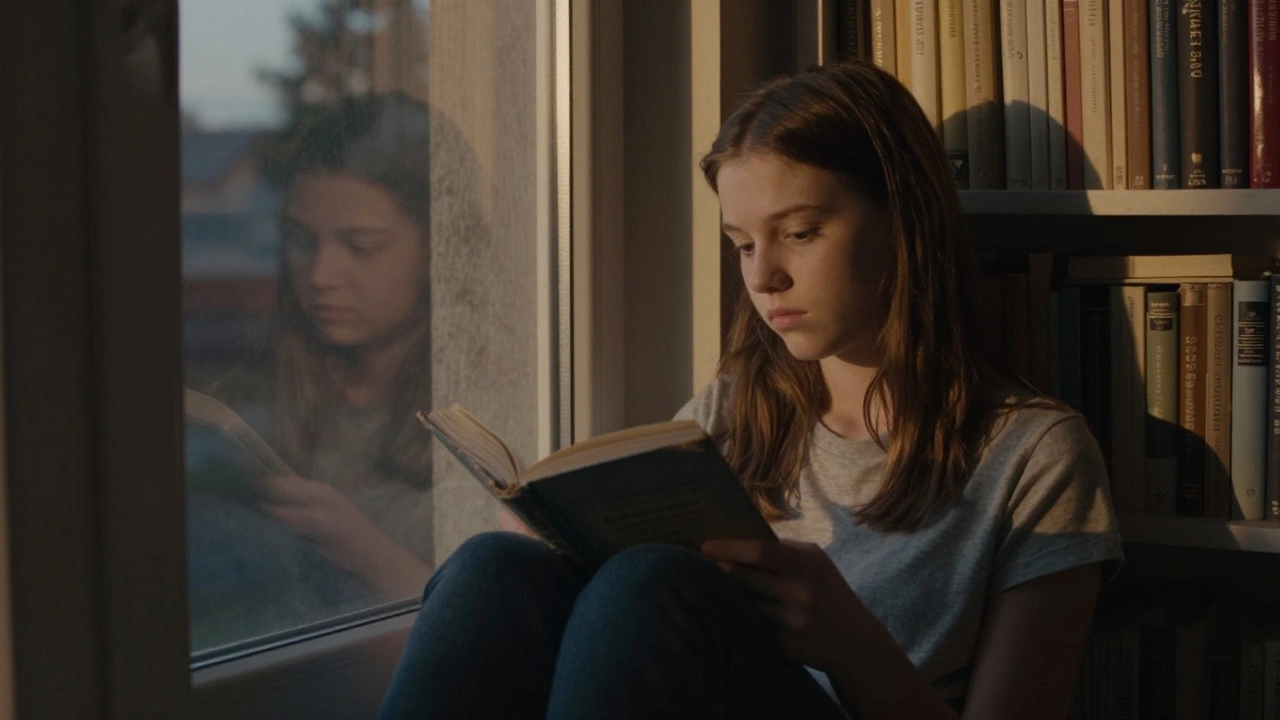
What Is a Bildungsroman? Simple Definition and Real Examples
A bildungsroman is a novel about growing up-not with triumphs, but with quiet, painful realizations. It’s the story of becoming yourself, not becoming someone else.
Read More