Young Adult Books: What Makes YA Fiction Stand Out
When we talk about young adult fiction, a genre of literature written for readers aged 12 to 18, often featuring teen protagonists navigating identity, relationships, and personal growth. Also known as YA fiction, it’s not just books for teens—it’s for anyone who’s ever felt lost, excited, scared, or hopeful during those messy years between childhood and adulthood. What makes YA fiction different isn’t just the age of the main character. It’s the raw honesty. These stories don’t sugarcoat growing up. They show first heartbreaks, family tensions, social pressure, and the quiet fight to figure out who you are—without having all the answers.
That’s why teen protagonists, the central characters in YA stories who are typically between 13 and 18 years old, driving the narrative through their personal struggles and discoveries feel so real. They’re not perfect heroes. They make mistakes. They say the wrong thing. They doubt themselves. And that’s why readers connect. Whether it’s Percy Jackson trying to balance being a demigod with middle school drama, or a girl in a dystopian world learning to trust again, these characters don’t have it all figured out—and neither do we. coming-of-age stories, narratives centered on a character’s emotional and psychological growth from youth to adulthood are the heartbeat of YA. They’re not about grand adventures alone; they’re about inner changes. A quiet moment of self-acceptance, a conversation that shifts everything, choosing your own path over what’s expected—those are the turning points that stick with you long after you turn the last page.
And then there’s YA romance, a subgenre of young adult fiction that explores first love, emotional vulnerability, and the complexities of teenage relationships. It’s not just about kissing scenes. It’s about how love changes how you see yourself. Is it safe to open up? Can you be yourself and still be loved? These questions matter because they’re real. YA romance doesn’t always end with a perfect happily-ever-after—it ends with a character who’s braver, wiser, or at least more honest than they were at the start.
You’ll find books here that break boundaries—whether it’s exploring LGBTQ+ identities like in Rick Riordan’s world, unpacking how spicy a romance really gets in the Shatter Me series, or figuring out if a book is meant for a 12-year-old or a 17-year-old. Some stories are set in high schools, others in magical academies or post-apocalyptic ruins. But they all share the same core: truth. No pretending. No adult voice talking down. Just real feelings, real choices, and real consequences.
That’s what you’ll find in this collection. Not just book lists or age guides—but clear, honest breakdowns of what makes these stories work. Whether you’re a teen looking for your next read, a parent trying to understand what your kid is into, or an adult who still loves a good YA novel, you’ll find something here that speaks to you. No fluff. No jargon. Just the facts, the feelings, and the books that matter.
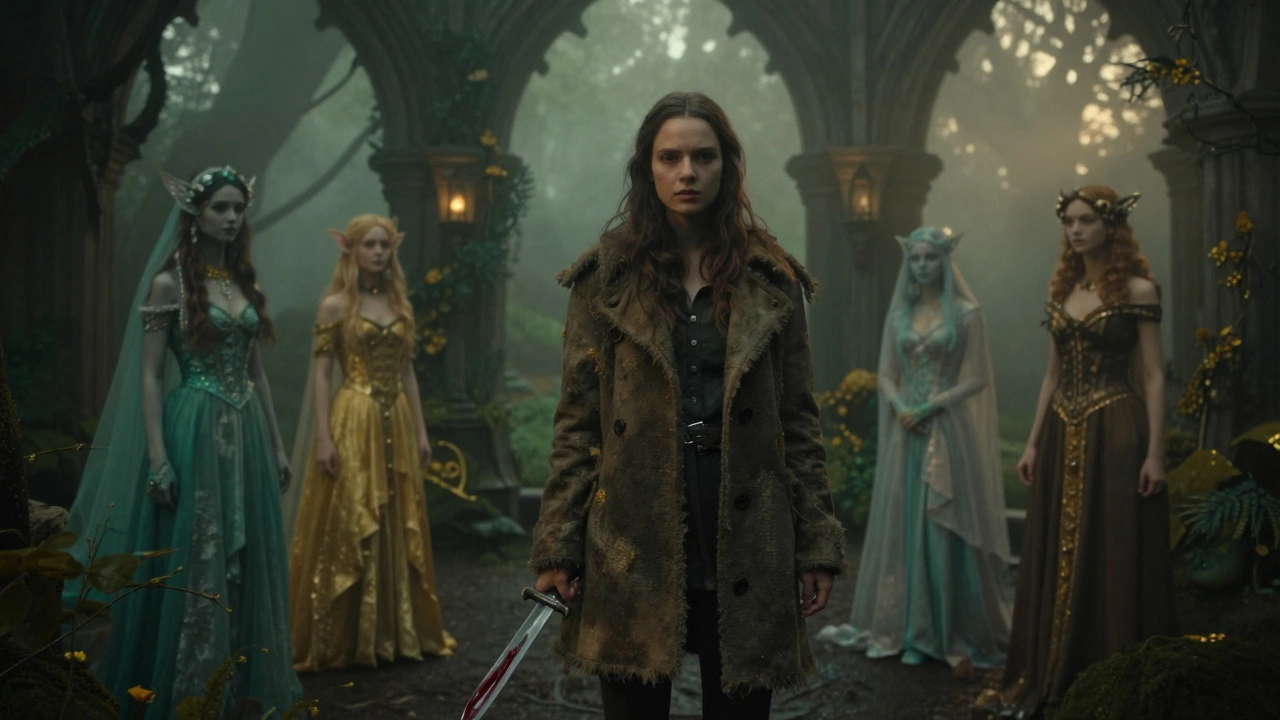
Is Acotar YA? What You Need to Know About the Genre Classification
ACOTAR is marketed as YA fiction, but its dark themes, mature romance, and complex worldbuilding blur the line between young adult and adult fantasy. Here's what you need to know about its genre classification.
Read More
What Are Three Characteristics of Young Adult Literature?
Young adult literature centers on teen protagonists, authentic emotional journeys, and coming-of-age transformation. It's not just for teens-it speaks to anyone who remembers what it's like to figure out who you are.
Read More
Best Age for Harry Potter Books - A Parent’s Guide
Find the right age for each Harry Potter book with reading level data, theme analysis, and practical tips for parents and teachers.
Read More
Shatter Me Series: How Spicy Is It Really?
Find out how spicy the Shatter Me series really is. Get a detailed romance breakdown, age rating, and comparison to other YA dystopias in a quick, reader‑friendly guide.
Read More
Story Ideas for 12‑Year‑Olds: What to Write About?
Discover fresh story ideas for 12‑year‑olds, with themed prompts, genre tips, character tricks, and a step‑by‑step writing guide.
Read More
Is Percy Jackson LGBTQ? Answers About Percy Jackson’s Sexuality and Identity
Curious about Percy Jackson's LGBTQ status? This article explores Percy’s identity, the series’ queer characters, and how Rick Riordan addresses sexuality in the books.
Read More
Young Adult vs. Juvenile Fiction: What's the Real Difference?
Young adult and juvenile fiction may seem similar, but they cater to distinct age groups and carry different themes. Young adult fiction usually targets readers aged 12-18, tackling mature themes and complex characters, while juvenile fiction is geared towards children between 8-12 years and focuses on simpler plots. Both genres play a crucial role in developing a young reader's interest in literature. Understanding the differences can help parents, educators, and budding writers choose the right books.
Read More
Understanding Young Adult Romance: What Makes It Tick
Young adult romance books combine the thrill of first love with the trials of adolescence, making them relatable for both teens and young adults. These stories often tackle themes like self-discovery, friendship, and personal growth, all wrapped up in the emotions of young love. Whether set in high school or a fantasy world, they explore the complex dynamics between characters. Tips for writing these novels include capturing authentic teen voices and incorporating modern issues. From heartache to happy endings, YA romance offers a glimpse into the whirlwind of teen relationships.
Read More
Discovering the Difference: Juvenile Fiction vs YA
Ever wondered what makes Juvenile Fiction and Young Adult Fiction distinct? Though they both cater to younger audiences, these genres are targeted at different age groups and offer unique themes and complexities. This article will help you understand their differences, explore examples, and provide tips for choosing the right book for the right reader. Dive in to gain clarity on these literary categories.
Read More
Identifying Young Adult vs Adult Books: A Comprehensive Guide
Navigating between YA and adult books can be tricky as the lines often blur. This article delves into the characteristics that distinguish young adult fiction from adult literature, emphasizing themes, writing styles, and target audiences. It provides practical tips to help readers identify whether a book belongs to the YA category or is meant for a mature audience, making it easier for readers and writers alike to classify a book properly. This comprehensive guide also shares insight into why these distinctions matter in the world of fiction.
Read More
Exploring the Unique Charm of Fourth Wing in Young Adult Fiction
The concept of a 'Fourth Wing' in young adult fiction offers readers innovative perspectives that push the boundaries of traditional narratives. This article dives into what makes a 'Fourth Wing' hero resonate with the youthful audience, and how these stories differ from the traditional 'Three Wings' tales. Learn how they address modern themes and connect with contemporary readers by bridging the gap between realism and the fantastical. Discover the unique elements that make these books popular among young readers.
Read More