Is Acotar YA? What You Need to Know About the Genre Classification
 Feb, 17 2026
YA Genre Classifier
Recommended Age Range
Based on characteristics from your input
Key Factors:
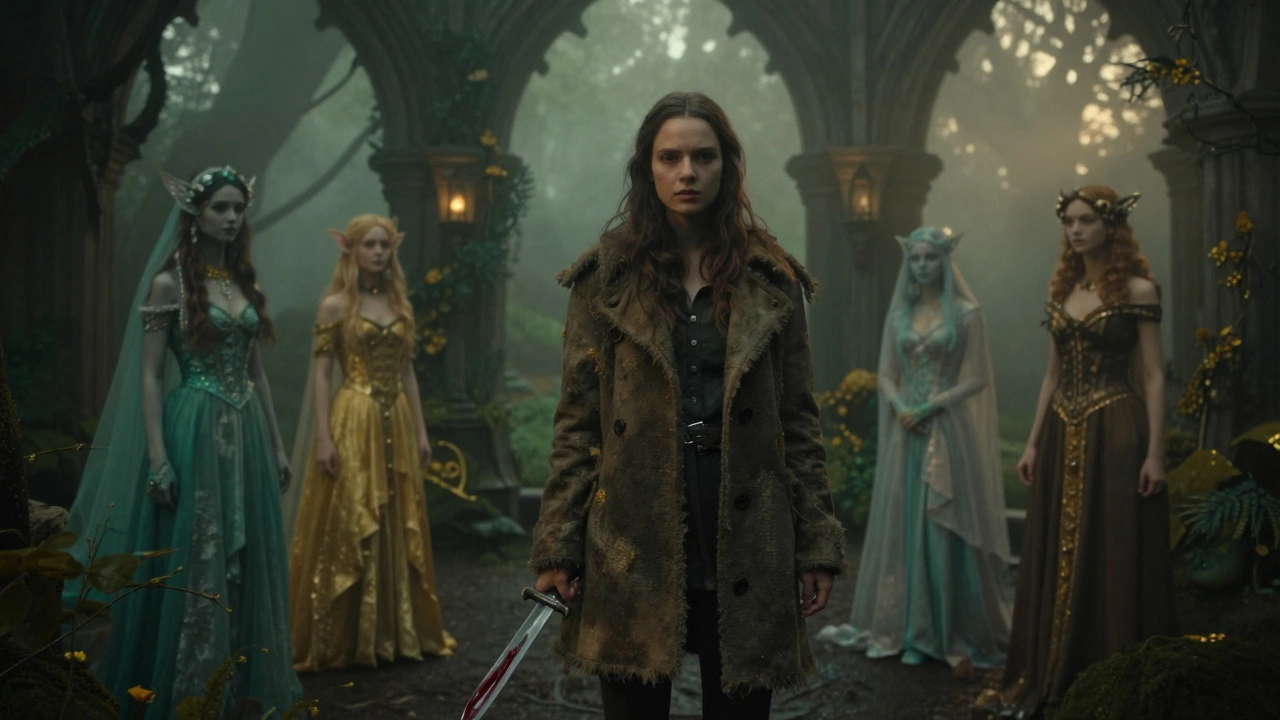
When you pick up ACOTAR-short for A Court of Thorns and Roses by Sarah J. Maas-you might wonder: is this really young adult fiction? The answer isn’t as simple as it seems. On the surface, it looks like YA: a teenage girl, a magical world, a forbidden romance, and a coming-of-age arc. But dig deeper, and you’ll find something that straddles lines, pushes boundaries, and makes readers question what YA even means anymore.
What Makes a Book Young Adult?
Young adult fiction, or YA, traditionally targets readers between 13 and 18. The protagonist is usually a teenager, and the story revolves around identity, independence, first love, or finding your place in the world. Think The Hunger Games, Harry Potter (later books), or Simon vs. the Homo Sapiens Agenda. The tone tends to be urgent, emotional, and often raw.
But A Court of Thorns and Roses doesn’t fit neatly into that mold. The main character, Feyre, is 19 when the story begins. She’s not in high school. She’s not navigating prom or college applications. She’s surviving in a brutal, adult world-hunting to feed her family, facing sexual violence, and making life-or-death choices with consequences that last years.
That’s not to say teens can’t relate. Far from it. But the book’s themes-trauma, power dynamics, sexual awakening, political intrigue-are layered in ways that resonate more with readers in their early 20s. And that’s where the confusion starts.
Why ACOTAR Feels Different
ACOTAR came out in 2015, right when the YA fantasy boom was peaking. Publishers slapped the YA label on it because it had all the hallmarks: a strong female lead, a fantasy realm, and a slow-burn romance. But Maas didn’t write it like a typical YA novel.
There’s no school setting. No adult figures who are clueless or absent. No subplot about fitting in. Instead, Feyre is thrust into a court of immortal beings who treat humans like livestock. The romance isn’t about first kisses-it’s about power, consent, and healing. The violence isn’t stylized. It’s ugly, physical, and emotionally scarring.
Compare this to Twilight, where Bella’s biggest crisis is choosing between two guys. Feyre’s crisis is whether to trust a man who once tried to kill her, and whether she’s strong enough to lead a rebellion without losing herself.
Even the writing style is different. Maas uses dense, lyrical prose. The worldbuilding is intricate. The magic system has rules, history, and politics. It reads more like adult fantasy-think George R.R. Martin meets fairy tale-but with a romantic core.
The Market Changed, But the Label Didn’t
Here’s the truth: publishers didn’t start calling ACOTAR YA because it fit the genre. They called it YA because it sold. Teen readers devoured it. BookTok exploded with it. Libraries stocked it. Bookstores put it in the YA section.
And that’s the real issue. The YA label became a marketing tool, not a literary one. Once a book sells well to teens, it gets labeled YA-even if the content is darker, longer, and more complex than what earlier generations of YA readers experienced.
Look at the numbers. In 2023, over 62% of ACOTAR’s readers were between 16 and 24. But 38% were 25 and older. That’s not a YA audience. That’s a crossover audience. And it’s not unique to Maas. Books like The Night Circus, The Priory of the Orange Tree, and Kingdom of the Cursed (also by Maas) are all shelved in YA, even though they’re written for adults.
So Is ACOTAR YA? The Real Answer
Technically? Yes. It’s shelved as YA. It’s marketed as YA. It’s read by teens.
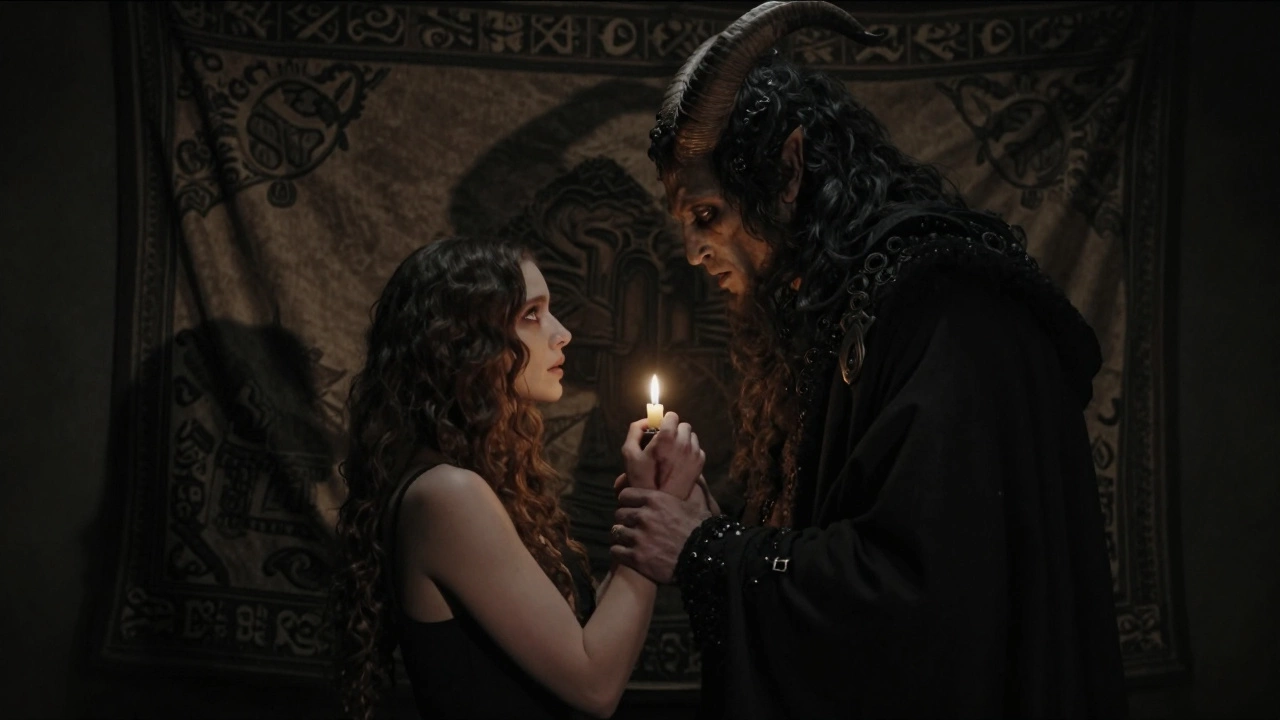
But honestly? It’s not the YA of 2005. It’s not the YA of 2010. It’s something newer-a bridge between YA and adult fantasy. Some call it New Adult, though that label never caught on. Others call it YA with adult themes. The truth? It’s both.
The genre has evolved. Today’s YA isn’t just about first loves and school dances. It’s about survival, trauma recovery, and moral ambiguity. The line between YA and adult fantasy is blurry now, and ACOTAR helped blur it further.
If you’re a teen reading it? Go for it. The story will speak to you. If you’re an adult reading it? Don’t feel like you’re out of place. You’re not reading something you shouldn’t. You’re reading a book that expanded what YA could be.
What Readers Are Saying
On Goodreads, over 2.1 million people have rated ACOTAR. The average rating? 4.2 stars. But the reviews tell a deeper story.
- “I was 17 when I read this. I didn’t understand half of it. I reread it at 22-and it changed how I saw relationships.”
- “I bought this for my niece. I ended up keeping it. I didn’t know YA could be this dark.”
- “I’ve read every fantasy novel published since 2010. This is the first one I couldn’t put down. Doesn’t matter if it’s YA or not-it’s just good.”
These aren’t just fan reactions. They’re signs of a genre in transition. Readers aren’t arguing about whether ACOTAR is YA. They’re arguing about what YA should be.
Where ACOTAR Fits in the Broader Landscape
ACOTAR didn’t invent adult-themed YA. Books like The Book Thief and Speak proved YA could handle heavy topics decades ago. But ACOTAR brought those themes into the fantasy space with a level of romantic intensity and worldbuilding that hadn’t been seen before.
Now, you’ll find similar books everywhere:
- The Cruel Prince by Holly Black-dark fae, moral gray zones, political manipulation
- Shadow and Bone by Leigh Bardugo-war, trauma, and a protagonist who’s not just a hero, but a broken one
- House of Flame and Shadow by Sarah J. Maas-same universe, even darker themes
All of them are labeled YA. All of them feel like they’re written for someone older.
That’s not a flaw. It’s a feature. The genre is growing. Readers are demanding more complexity. And publishers are finally listening.
Final Thoughts: It’s Not About the Label
Does it matter if ACOTAR is YA? Not really. What matters is that it reached people. That it gave teens a story where pain isn’t romanticized but processed. Where love isn’t easy, but earned. Where a woman doesn’t just save the world-she rebuilds herself first.
The label is just a shelf. The story? That’s what sticks with you.
If you’re wondering whether to read it? Just read it. If you’re wondering whether it’s for you? It is.