Why Cultural Storytelling Is Essential for Identity and Connection
 Mar, 13 2026
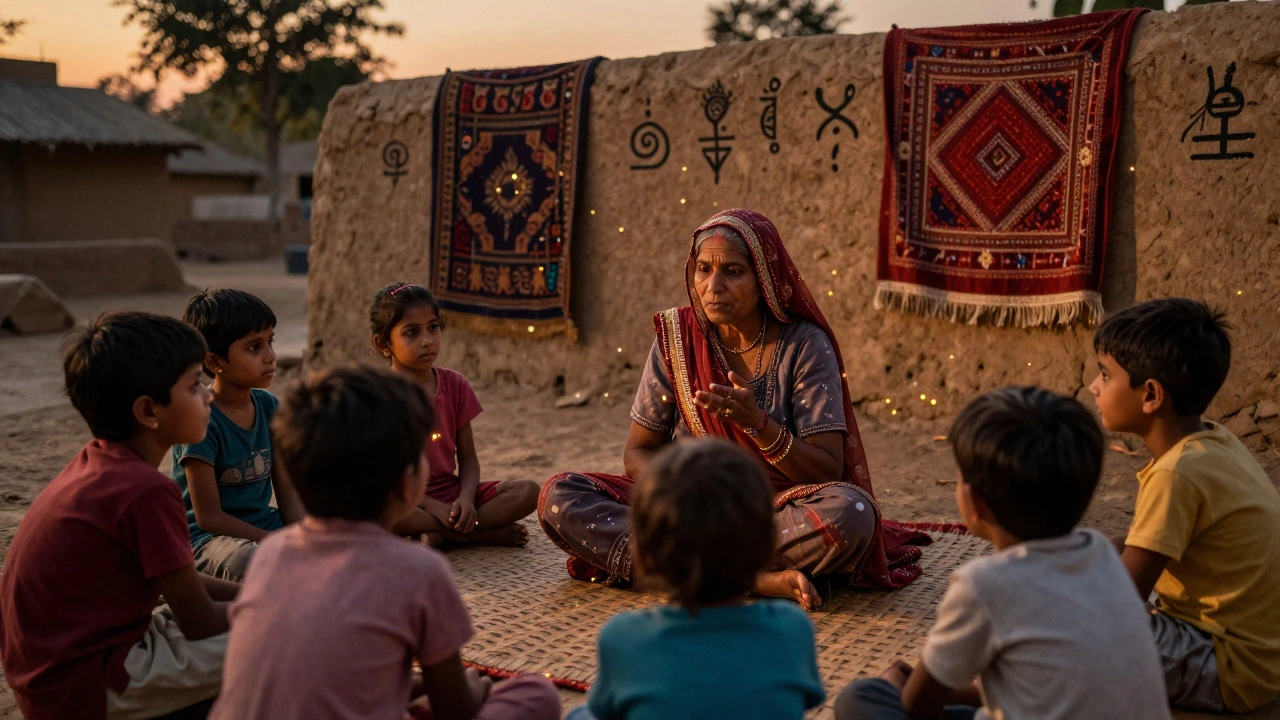
Think about the last time you heard a story that made you feel like you belonged somewhere - not just to a place, but to a people. That’s cultural storytelling in action. It’s not just folklore or old tales told around fires. It’s the quiet force that holds communities together, passes down values without textbooks, and gives people a sense of who they are when the world tries to erase it.
Stories Are the First Memory Keepers
Before writing, before libraries, before smartphones - there were stories. Every culture on Earth developed ways to remember its past through narrative. In West Africa, griots didn’t just sing songs; they were living archives. In Indigenous Australian communities, Dreamtime stories map land, law, and kinship across thousands of years. In rural Ireland, lullabies carried warnings, hopes, and history in their melodies.
These weren’t entertainment. They were survival tools. A story about a flood taught generations where not to build. A tale of a clever animal showed children how to outwit danger. A legend about ancestors explained why certain rituals mattered. When you hear a story passed down for centuries, you’re not listening to fiction - you’re touching time.
Who We Are Is Written in Our Tales
Identity isn’t something you’re born with. It’s something you learn. And culture is one of the biggest teachers. Think about how you know you’re part of a group. Is it your language? Your food? Your holidays? Those are all shaped by stories.
Take the Japanese concept of giri - duty to others. It’s not taught in school manuals. It’s woven into folktales like the one about the loyal dog Hachikō, who waited for his dead owner at the train station every day for years. That story doesn’t just make you cry. It teaches you what loyalty means in that culture. In Mexico, the Day of the Dead isn’t just a date on a calendar. It’s a story about death not being the end, but a continuation of family bonds. That story shapes how people grieve, celebrate, and remember.
When a child grows up hearing stories that say, "Your people survived because they were brave," or "Our strength comes from listening," they don’t just absorb facts. They absorb self-worth. That’s why losing cultural stories can feel like losing part of yourself.
The Cost of Forgetting
Colonialism, forced assimilation, urbanization - these forces didn’t just take land. They took stories. In Canada, residential schools banned Indigenous children from speaking their languages or telling their stories. In the U.S., African oral traditions were suppressed under slavery. In parts of Europe, minority dialects were punished in schools.
The result? Generations grew up disconnected from their roots. People asked, "Why do we do this?" - not because they didn’t care, but because no one told them. A 2023 study from the University of Bristol found that young people with access to family cultural stories were 40% more likely to report strong emotional resilience. Why? Because stories give context. They answer the unspoken question: "Where did I come from?"
Without cultural storytelling, communities don’t just lose history - they lose cohesion. Without shared narratives, you get isolation. You get people who don’t understand each other’s values. You get societies where tradition feels like a relic, not a living thread.
How Stories Build Bridges
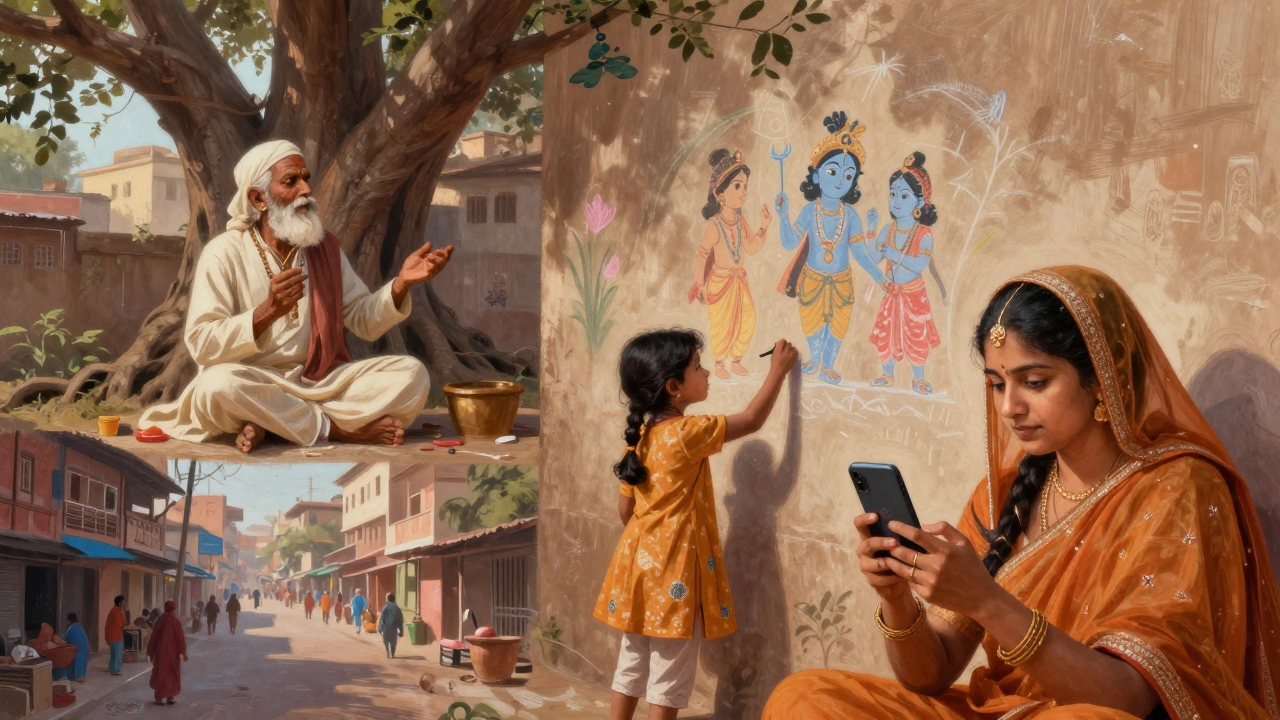
Here’s something counterintuitive: cultural storytelling doesn’t just keep us in - it helps us reach out. When you hear a story from another culture that feels true - even if it’s unfamiliar - you connect. You don’t need to live it to understand it.
Think about how the story of the Vietnamese refugee boat journey, told in poems and films, moved people across continents. Or how the Maori haka, once seen as a war dance, became a global symbol of unity and strength after the All Blacks used it before matches. These aren’t just performances. They’re invitations to see the world through someone else’s eyes.
That’s why cultural storytelling matters in schools, workplaces, and public spaces. It’s not about political correctness. It’s about human recognition. When a child hears a story from their grandmother’s homeland, they feel seen. When a coworker shares a tradition from their background, it builds trust. Stories don’t erase differences - they make them meaningful.
What Happens When We Lose Them?
Imagine a world where every culture’s stories were wiped clean. No Greek myths. No Native American trickster tales. No Chinese legends of the Moon Goddess. No Yoruba tales of Anansi the spider. What would we lose?
We’d lose the wisdom that shaped ethics. We’d lose the humor that helped people survive hardship. We’d lose the metaphors that explained the unexplainable - why the wind howls, why the sea changes, why grief takes time.
And we’d lose something deeper: the feeling that we’re part of something older than ourselves. That’s what cultural storytelling gives us - continuity. It says: "You are not alone. Your ancestors walked this path. Your voice matters because it carries their echo."
How to Keep Stories Alive
You don’t need to be an anthropologist to preserve cultural storytelling. Start small.
- Ask your elders: "What’s a story you remember from when you were young?" Write it down. Record it.
- Share a story from your heritage at dinner. Don’t make it a lecture. Just say, "This is what my grandma used to say."
- Support local storytellers - attend oral history events, buy books by Indigenous authors, listen to podcasts from minority communities.
- Teach kids not just facts, but fables. A story about kindness is more likely to stick than a rule about being kind.
It’s not about perfection. It’s about presence. Even one story passed on changes the course of a family’s memory.
Why This Isn’t Just About the Past
Cultural storytelling isn’t nostalgia. It’s a living practice. Right now, in Bristol, a Somali grandmother tells her granddaughter about the journey from Mogadishu - not to dwell on pain, but to show how courage is passed like a torch. In a Welsh village, teenagers are learning old folk songs to keep the language alive. In Toronto, a Filipino teen posts TikTok videos retelling folktales her lola used to tell.
These aren’t museum pieces. They’re acts of resistance. Acts of love. Acts of belonging.
When you choose to listen - really listen - to a story from another culture, you’re not just being polite. You’re saying: "Your history matters. Your pain matters. Your joy matters." And that’s how we heal fractured worlds. Not with laws or policies - but with stories.