Who Is the Best Thriller Writer of All Time? A Deep Dive into the Genre's Giants
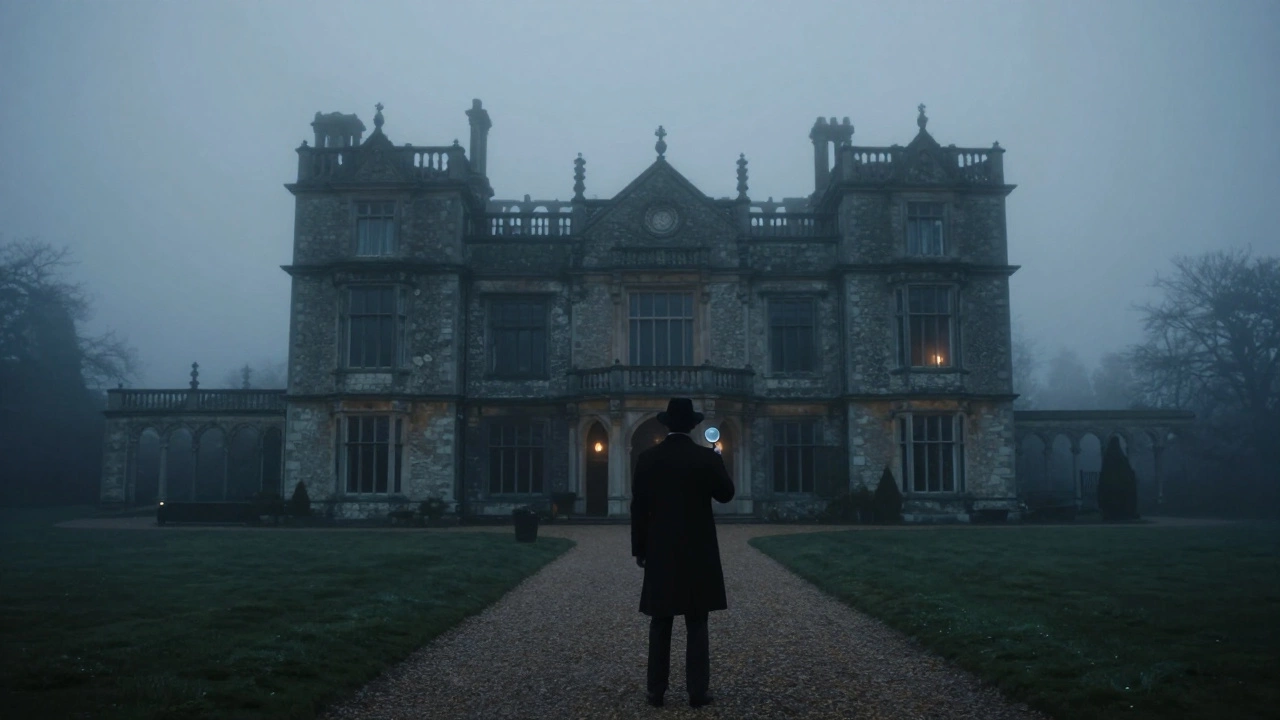 Jun, 23 2026
Find Your Perfect Thriller Style
Answer these 3 questions to discover the best thriller writer for you.
Your Match
Start with:
There is no single answer to who holds the crown for the best thriller writer of all time. If you ask a classicist, they will hand you Agatha Christie, the undisputed queen of whodunits. Ask a modern reader, and they might point to Gillian Flynn, whose dark, twisted narratives redefined the genre in the 21st century. The "best" depends entirely on what kind of adrenaline rush you are looking for. Are you after a puzzle to solve, a psychological breakdown to witness, or a high-stakes chase that keeps you up until 3 AM?
The thriller genre has evolved dramatically over the last century. It started with polite society mysteries and moved through hard-boiled detective noir, spy espionage, and finally into the complex, morally gray territory of modern psychological suspense. To understand who stands at the top, we have to look at how these writers changed the game.
The Architect of Suspense: Agatha Christie
You cannot talk about thrillers without starting with Agatha Christie. She is the most translated individual author in history, surpassed only by Shakespeare. Her impact is not just about sales; it is about structure. Christie invented the blueprint for the closed-circle mystery. She placed a group of suspects in an isolated location-a train, an island, a village-and locked the door.
Her genius lay in misdirection. In Murder on the Orient Express or And Then There Were None, she gave every clue to the reader but hid them in plain sight. This created a fair-play dynamic where the reader feels challenged rather than cheated. For readers who love logic, deduction, and the satisfaction of a neatly tied bow, Christie remains the gold standard. She proved that you don't need gore or action to create tension; you just need human psychology and a clever plot.
The King of Noir: Raymond Chandler
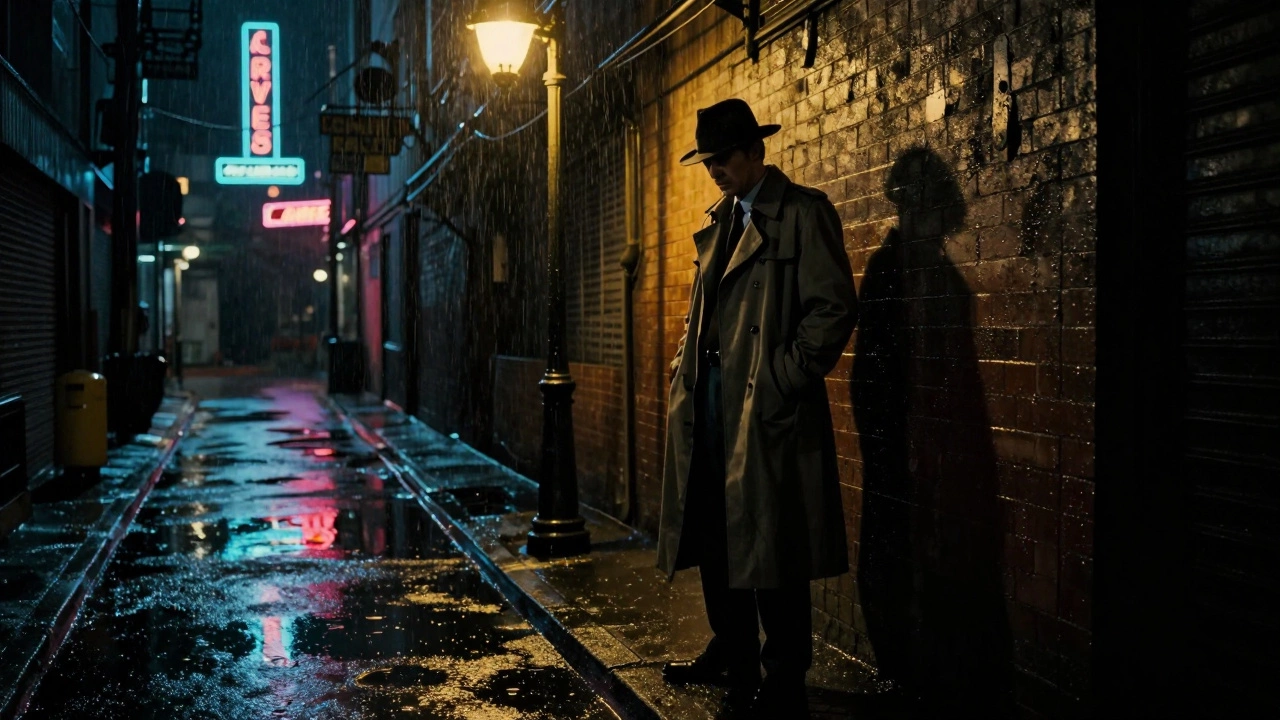
If Christie provided the puzzle, Raymond Chandler brought the atmosphere. Chandler didn't just write crimes; he wrote about the decay of society. His protagonist, Philip Marlowe, was not a gentleman detective but a weary, cynical private eye navigating the seedy underbelly of Los Angeles.
Chandler’s prose is legendary. He turned dialogue into poetry and description into mood. When he writes, "It was about ten o'clock in the morning, four days before Halloween, toward the end of the rainy season..." you can smell the wet pavement and feel the chill. He shifted the focus from "who did it" to "why does this city suck so much?" For fans of atmospheric, character-driven crime fiction, Chandler is the master. He showed that style could be as important as substance.
The Master of Pacing: Tom Clancy
Then there is the other side of the thriller coin: technical precision and high stakes. Tom Clancy revolutionized the techno-thriller. Before Clancy, military and political details were often glossed over. Clancy treated them with encyclopedic detail. He researched missile systems, naval tactics, and intelligence protocols obsessively.
This approach created a new kind of immersion. Readers didn't just follow Jack Ryan; they learned how submarines worked and how nuclear deterrence functioned. Clancy’s strength was making complex geopolitical scenarios accessible and terrifyingly plausible. While some critics argue his characters can be flat, his ability to build world-building credibility is unmatched. If you want a thriller that feels like a documentary gone wrong, Clancy is your guy.
The Modern Psychological Torturer: Gillian Flynn
In the 21st century, the rules changed again. The clean resolutions of Christie and the cool detachment of Chandler gave way to messy, unreliable narrators. Enter Gillian Flynn. With Gone Girl, Flynn exposed the dark side of marriage and media manipulation. Her work is less about solving a crime and more about surviving the people around you.
Flynn’s characters are deeply flawed, often unlikeable, and constantly lying-even to themselves. This creates a different type of tension. You aren't worried about catching the killer; you're worried about trusting anyone. Her influence sparked a wave of "domestic noir" that dominates bookstores today. For readers who prefer emotional horror over physical danger, Flynn represents the peak of modern thrillers.
| Author | Primary Subgenre | Key Strength | Best For Readers Who Like... |
|---|---|---|---|
| Agatha Christie | Whodunit / Cozy Mystery | Plot construction & misdirection | Puzzles, logic, classic settings |
| Raymond Chandler | Hardboiled Detective Noir | Prose style & atmosphere | Cynical heroes, urban decay, literary flair |
| Tom Clancy | Techno-Thriller / Espionage | Technical accuracy & pacing | Military details, geopolitics, high stakes |
| Gillian Flynn | Psychological Thriller | Unreliable narrators & dark themes | Twists, moral ambiguity, domestic drama |
The International Perspective: Harlan Coben & Stieg Larsson
We cannot ignore the global reach of the genre. Harlan Coben has mastered the short, punchy thriller designed for mass appeal. His books are fast, twist-heavy, and incredibly addictive. He understands the rhythm of a page-turner better than almost anyone alive. Meanwhile, Stieg Larsson, with The Girl with the Dragon Tattoo, blended investigative journalism with serial killer mania. Larsson brought a gritty, realistic edge to the genre that resonated globally, proving that thrillers could also tackle serious social issues like misogyny and corruption.
How to Choose Your Next Thriller
So, who is the best? It comes down to your personal taste. Here is a quick guide to help you decide:
- Want a puzzle? Go with Agatha Christie or Arthur Conan Doyle. You want to engage your brain.
- Want mood and style? Pick Raymond Chandler or Dashiell Hammett. You want to savor the language.
- Want excitement and facts? Choose Tom Clancy or Vince Flynn. You want to feel the adrenaline.
- Want to be unsettled? Read Gillian Flynn or Paula Hawkins. You want to question reality.
The beauty of the thriller genre is its diversity. There is no single king because there are many thrones. The best writer is the one who keeps you turning pages when you should be going to sleep.
Is Agatha Christie still relevant today?
Yes, absolutely. Her stories are frequently adapted into films and TV series, and her books remain bestsellers worldwide. Her focus on pure plot mechanics ensures her work never goes out of style.
Who is the best thriller writer for beginners?
For beginners, Harlan Coben or John Grisham are excellent starting points. Their writing is accessible, fast-paced, and requires less background knowledge than classic noir or complex psychological thrillers.
What makes a thriller different from a mystery?
A mystery focuses on solving a past crime (who did it?), while a thriller focuses on preventing a future disaster (what happens next?). Mysteries are intellectual puzzles; thrillers are emotional rides.
Are there any female thriller writers who rival the men?
Not only do they rival them, they dominate the current market. Authors like Gillian Flynn, Tana French, and Louise Penny have reshaped the genre with fresh perspectives and complex female protagonists.
Who wrote the best spy thriller?
Ian Fleming is often cited for creating James Bond, but John le Carré is considered the master of realistic, morally ambiguous espionage. His work offers a deeper, more nuanced look at the spy world.