What Was the First Historical Novel? The Book That Started It All
 Dec, 23 2025
Historical Fiction Authenticity Calculator
How to Use
Rate any historical novel using these criteria that made Waverley revolutionary:
- ✅ Real historical events: Uses actual historical moments (e.g., Jacobite uprising)
- ✅ Social context: Shows how history affected ordinary people's lives
- ✅ Ordinary characters: Focuses on non-elite figures with realistic motivations
When you think of historical fiction, you probably picture sweeping epics with kings, battles, and forbidden love set in the past. But where did it all begin? The first true historical novel wasn’t written in the 19th century with grand Victorian drama-it was born out of quiet curiosity, political tension, and a writer who wanted to show how ordinary people lived through history, not just how kings ruled it.
The Book That Changed Everything: Waverley
In 1814, a Scottish writer named Walter Scott published a novel called Waverley. It wasn’t advertised as his work-he released it anonymously. But by the time the third edition came out in 1815, everyone knew who wrote it. And suddenly, a new kind of story was everywhere.
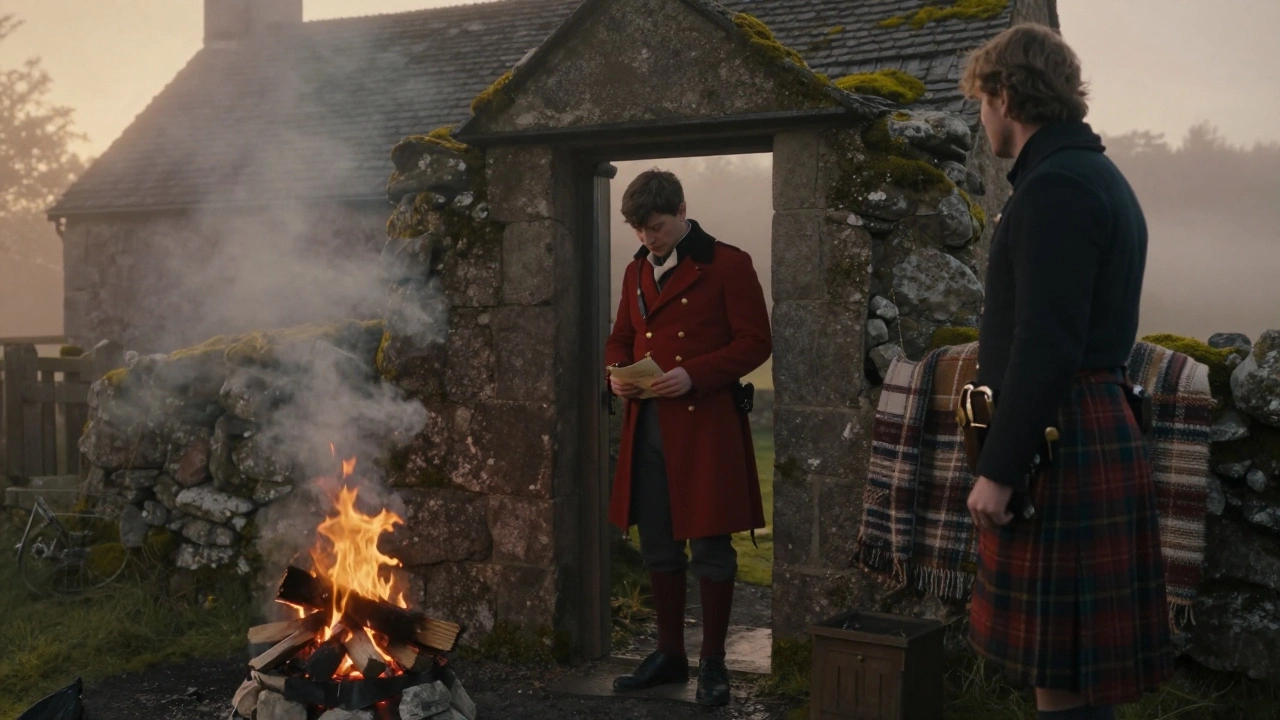
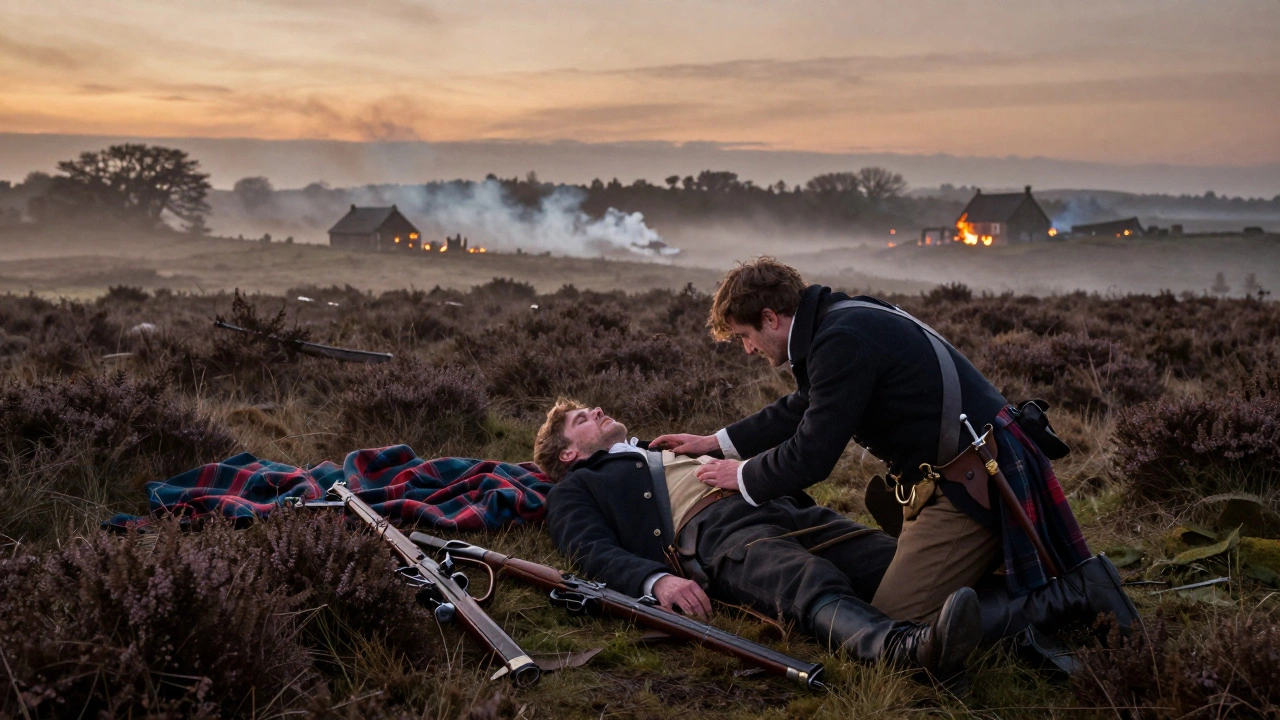
Waverley tells the story of Edward Waverley, a young English officer who gets caught up in the 1745 Jacobite uprising in Scotland. He’s not a hero. He’s not a villain. He’s just a guy trying to figure out where he belongs-caught between loyalty to his king and admiration for the Highland rebels. Scott didn’t write about generals winning battles. He wrote about farmers, clansmen, and soldiers who didn’t understand the politics they were fighting for.
That’s what made it revolutionary. Before Waverley, stories set in the past were either myths (like Arthurian legends) or dry chronicles of kings and wars. Scott didn’t just drop his characters into history-he made history feel alive through their eyes. He included real events: the Battle of Prestonpans, the collapse of the Jacobite cause, the brutal crackdown that followed. But he also showed the smell of peat fires in Highland cottages, the way a tartan blanket felt against cold skin, the hesitation in a farmer’s voice when he whispered the name of a wanted rebel.
Why Waverley Was the First
People sometimes point to older works like Le Grand Cyrus (1649) or The Princess of Cleves (1678) as early historical novels. But those weren’t historical fiction-they were romantic tales dressed up in old costumes. They used history as decoration, not as a force that shaped lives.
Waverley was different because it treated history as a living, breathing system. Scott didn’t just describe what happened-he explained why it mattered to the people living through it. He researched letters, diaries, and local records. He visited battlefields. He talked to survivors of the uprising. His characters made choices based on real social pressures: class, language, religion, land rights. That’s what separates historical fiction from costume drama.
Scott also made his characters imperfect. Edward Waverley isn’t brave-he’s confused. He’s not noble-he’s naive. The Highlanders aren’t noble savages-they’re proud, angry, and deeply loyal to a way of life that’s about to vanish. That realism shocked readers. For the first time, history wasn’t just about great men. It was about ordinary people caught in the tide of change.
What Came Before? The Myths and Misconceptions
Some claim that ancient Greek novels like Callirhoe or Roman tales like The Golden Ass were historical fiction. But those were fantasies set in vaguely defined pasts. No real dates. No real politics. No real consequences.
Others mention 18th-century novels like Pamela or Clarissa. Those were social dramas set in the author’s own time. They didn’t reach back into the past to explore how society changed. They were about now.
Even Robinson Crusoe (1719), though set in a real historical moment, is an adventure story with a lone survivor. It doesn’t engage with the broader historical forces of colonialism, trade, or empire. It’s a survival tale, not a historical one.
Scott’s breakthrough was combining three things no one had done together: real historical events, authentic social context, and ordinary characters whose lives were shaped by those events. That’s the definition of historical fiction-and Waverley was the first to get it right.
How Waverley Changed Literature
After Waverley came out, every writer in Europe tried to copy it. Victor Hugo wrote The Hunchback of Notre-Dame because he wanted to do for 15th-century Paris what Scott did for 18th-century Scotland. Alexandre Dumas wrote The Three Musketeers with the same blend of real history and fictional characters. Even Leo Tolstoy admitted Scott influenced War and Peace.
Scott didn’t just create a genre-he created a new way of thinking about history. Before him, history was something you memorized in school. After him, history became something you could feel.
By the 1830s, historical fiction was a booming market. Publishers were printing cheap editions of Scott’s novels across Britain and America. Schools started using them to teach history. Politicians quoted them in speeches. The novel had become a tool for understanding national identity.
Why It Still Matters Today
Modern historical novels-from Hilary Mantel’s Wolf Hall to Colson Whitehead’s The Underground Railroad-all carry the DNA of Waverley. They don’t just recreate the past. They ask: What did it feel like to live through it? Who was left out? Who got to tell the story?
Scott started that conversation. He showed that history isn’t just about dates and treaties. It’s about the mother hiding her son from soldiers. The blacksmith who forges weapons for both sides. The priest who records the rebellion in secret. Those voices didn’t exist in history books before Scott gave them space in fiction.
Today, when you read a novel set in WWII, the Civil War, or ancient Rome, and you feel like you’re walking through the streets of that time-you’re feeling the legacy of Walter Scott. He didn’t just write the first historical novel. He taught us how to listen to the past.
The Legacy of a Quiet Revolution
Walter Scott never called Waverley a historical novel. He called it a tale. But that’s what makes it so powerful. He didn’t set out to invent a genre. He just wanted to tell a story about people caught between two worlds.
And in doing so, he changed literature forever.