What Makes a Book Fantasy? The Core Elements That Define the Genre
 Dec, 4 2025
Not every book with dragons and wizards is fantasy. And not every fantasy book needs magic at all. So what really makes a book fantasy? It’s not just about castles or elves. It’s about how the world works - and what rules it breaks.
The World Isn’t Like Ours
The biggest clue that a book is fantasy? Its setting doesn’t follow the laws of our reality. That doesn’t mean it has to be a medieval kingdom. It could be a city floating above the clouds, a forest where time moves backward, or a planet ruled by talking animals. What matters is that the world has its own logic - one that doesn’t match physics, history, or biology as we know them.
Think of fantasy as a world built on possibility, not probability. In our world, gravity pulls things down. In fantasy, someone might walk on walls because they’ve learned to bend the rules of weight. In our world, death is final. In fantasy, people come back from the dead - not as zombies, but as spirits, reincarnated souls, or beings bound to magical artifacts.
That’s the core: the world is different. Not just in appearance, but in how things function. That difference is what separates fantasy from science fiction. Sci-fi stretches what’s possible with technology. Fantasy stretches what’s possible with imagination.
Magic Is Common, Not Rare
Many people assume fantasy = magic. But magic alone doesn’t make a book fantasy. A character using a secret potion to cure a disease? That’s medical fiction. A scientist inventing a device that lets people read minds? That’s sci-fi.
In fantasy, magic isn’t an exception - it’s part of everyday life. People grow up learning spells like they learn to tie their shoes. Wizards aren’t mysterious outsiders; they’re teachers, shopkeepers, or government officials. Magic is woven into the economy, politics, religion, and education.
Take The Name of the Wind by Patrick Rothfuss. Magic isn’t some grand, rare power. It’s a discipline - studied, practiced, and sometimes dangerous. It has rules, limits, and costs. That’s fantasy: magic as a system, not a miracle.
Even when magic isn’t visible, its presence is felt. In The Lies of Locke Lamora, there’s no spellcasting. But the world believes in divine intervention, curses, and fate as real forces. That belief shapes how people act, what they fear, and how they build their society. That’s fantasy too.
Myth and Legend Are Real
Fantasy doesn’t just borrow from myths - it treats them as fact. Gods aren’t symbols. They walk the earth. Heroes aren’t stories. They’re real people who fought dragons, stole from gods, or broke curses.
In American Gods by Neil Gaiman, old gods like Odin and Anansi still exist, weakened by lack of belief. In The First Law trilogy by Joe Abercrombie, ancient gods are real, but they’re cruel, indifferent, and often trapped in human bodies. They’re not metaphors. They’re active players.
This is different from mythological fiction, which retells ancient stories. Fantasy takes those myths and asks: What if they were true? What if the Norse gods were real and living in modern-day Minnesota? What if the Greek Fates were running a failing insurance company?
When legends become history - and history becomes something people can touch, fight, or betray - you’re in fantasy.

Good and Evil Aren’t Black and White
Old fantasy often painted heroes as pure and villains as evil. Modern fantasy doesn’t do that. It’s messy. People do terrible things for good reasons. Heroes make selfish choices. Villains have backstories that make you understand - even sympathize.
In A Song of Ice and Fire, the Lannisters aren’t cartoon villains. Tywin Lannister is a ruthless politician who believes he’s protecting his family’s legacy. The Starks aren’t flawless saints - they’re proud, stubborn, and often blind to consequences.
Fantasy thrives on moral complexity. Because the world is built on magic, power, and ancient forces, people aren’t just good or bad - they’re shaped by systems they didn’t create. A character might become a monster not because they’re evil, but because the world forced them into a corner with no clean choices.
This depth is what makes fantasy feel real. It’s not about choosing sides. It’s about surviving a world where right and wrong are tangled together.
There’s Always a Stakes Beyond the Personal
In a mystery novel, the stakes are usually personal: find the killer, clear your name, recover the stolen money. In romance, it’s about love. In fantasy, the stakes are often bigger - sometimes world-ending.
But that doesn’t mean every fantasy book has to save the universe. The stakes just need to matter beyond the individual. A character might fight to protect their village from a creeping darkness. Or they might try to stop a magical plague that’s turning people into stone. Or they might risk everything to restore a broken law of nature.
These aren’t just personal goals. They’re about the fabric of the world. When a character’s choice could change how magic flows, who rules the land, or whether the seasons ever return - that’s fantasy.
Even in quiet fantasy stories, like The House in the Cerulean Sea by TJ Klune, the stakes are societal. It’s not about saving the world from destruction - it’s about changing how society treats the “other.” That shift in social structure, driven by magic and belief, is the heart of the story.
It’s About Wonder - Not Just Action
Fantasy doesn’t need battles or quests to be fantasy. It needs wonder. The feeling that something impossible is real. That the ordinary has become extraordinary.
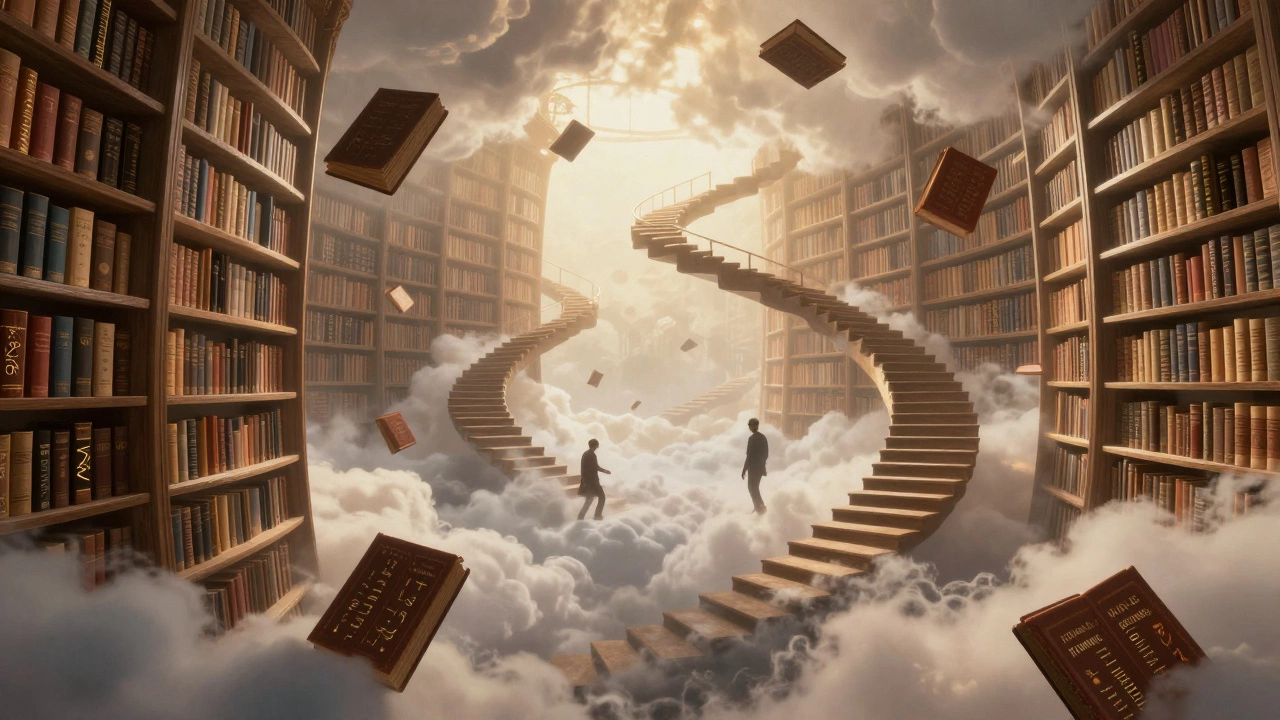
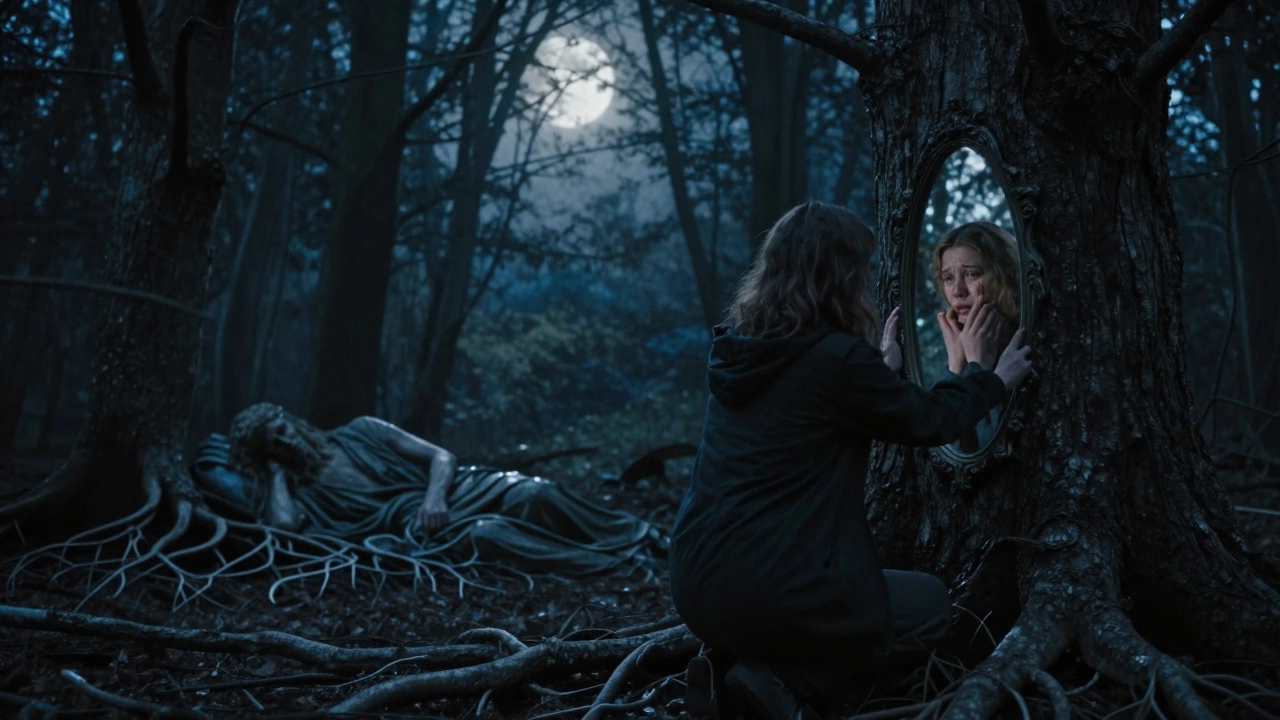
Imagine walking into a library where books whisper their contents. Or meeting a child who remembers the last ice age. Or finding a mirror that shows not your face, but your future regrets.
These moments don’t require swords or spells. They just need the world to operate differently. That’s the soul of fantasy: the quiet, startling moment when you realize - this isn’t our world. And that’s beautiful.
That’s why fantasy can be gentle. It can be slow. It can be about grief, memory, or identity. The magic isn’t in the explosions - it’s in the way the world bends to hold something impossible.
What Fantasy Isn’t
Fantasy isn’t just “anything with dragons.” A book with a dragon is just a book with a dragon - unless that dragon changes how the world works.
Fantasy isn’t escapism for kids. It’s a tool to explore power, identity, belief, and loss - often more honestly than realism can.
Fantasy isn’t the same as mythological fiction. Mythological fiction retells ancient stories. Fantasy asks: What if those stories were true - and still happening?
Fantasy isn’t high fantasy only. It includes urban fantasy, dark fantasy, low fantasy, magical realism, and fairy tale retellings. All of them share the same core: a world that doesn’t follow our rules.
So What Classifies a Book as Fantasy?
A book is fantasy when:
- The world operates under rules different from our own - magic, gods, or natural laws that don’t exist here.
- Supernatural elements are common, accepted, and woven into daily life - not rare exceptions.
- Myths, legends, or ancient forces are treated as real, active parts of history and society.
- The stakes extend beyond the personal - affecting society, nature, or the fabric of reality itself.
- The story evokes wonder - the sense that something impossible is real, and it matters.
It’s not about the number of dragons. It’s about the world that lets them exist.
Is Harry Potter fantasy or science fiction?
Harry Potter is fantasy. Magic is real, taught in schools, regulated by law, and woven into the economy and politics of the wizarding world. The setting breaks the rules of our reality - wands, spells, magical creatures, and enchanted objects aren’t technology. They’re part of the world’s natural order. No scientific explanation is ever offered. That’s classic fantasy.
Can fantasy have no magic at all?
Yes. Some fantasy stories rely on belief, myth, or alternate history instead of spells. For example, The Ocean at the End of the Lane by Neil Gaiman has no traditional magic - but it’s full of ancient forces, forgotten gods, and realities that bend around memory and childhood. The world operates on emotional and spiritual laws, not physical ones. That’s still fantasy.
Is The Lord of the Rings the only true fantasy?
No. The Lord of the Rings helped define modern fantasy, but it’s not the only kind. Many fantasy books today don’t have elves, swords, or epic quests. Urban fantasy like Perdido Street Station takes place in gritty cities. Low fantasy like The Bloody Chamber uses fairy tale logic in modern settings. Fantasy is broad - it’s defined by world rules, not tropes.
What’s the difference between fantasy and magical realism?
Magical realism treats magic as normal - but it’s usually grounded in real-world settings and cultures. The magic isn’t explained or systematized. It just is. In fantasy, the magic has rules, history, and consequences. In magical realism, it’s poetic, ambiguous, and tied to emotion or culture. Think of One Hundred Years of Solitude vs. The Witcher. One blends magic into reality without questioning it. The other builds a world around magic as a science.
Do all fantasy books need a chosen one?
No. The “chosen one” trope is common, but it’s not required. Many fantasy stories focus on ordinary people caught in extraordinary circumstances - like a librarian who discovers a book that changes reality, or a soldier who learns the king is a demon. The hero doesn’t need prophecy. They just need to react to a world that doesn’t follow the rules.
Next Steps for Readers
If you’re trying to identify fantasy books, start by asking: Does this world have its own rules? Are the impossible things treated as normal? Is magic - or something like it - part of daily life?
Try reading one book from each subgenre: urban fantasy (Neverwhere), dark fantasy (The First Law), fairy tale retelling (Circe), and low fantasy (The House in the Cerulean Sea). Notice how each one bends reality differently. That’s the heart of fantasy - not the monsters, but the world that lets them live.