What Is the Main Character's Best Friend Called? Understanding the Sidekick Role
 Nov, 13 2026
Sidekick Archetype Identifier
Answer the questions below to determine which type of companion your protagonist needs, or to analyze an existing character.
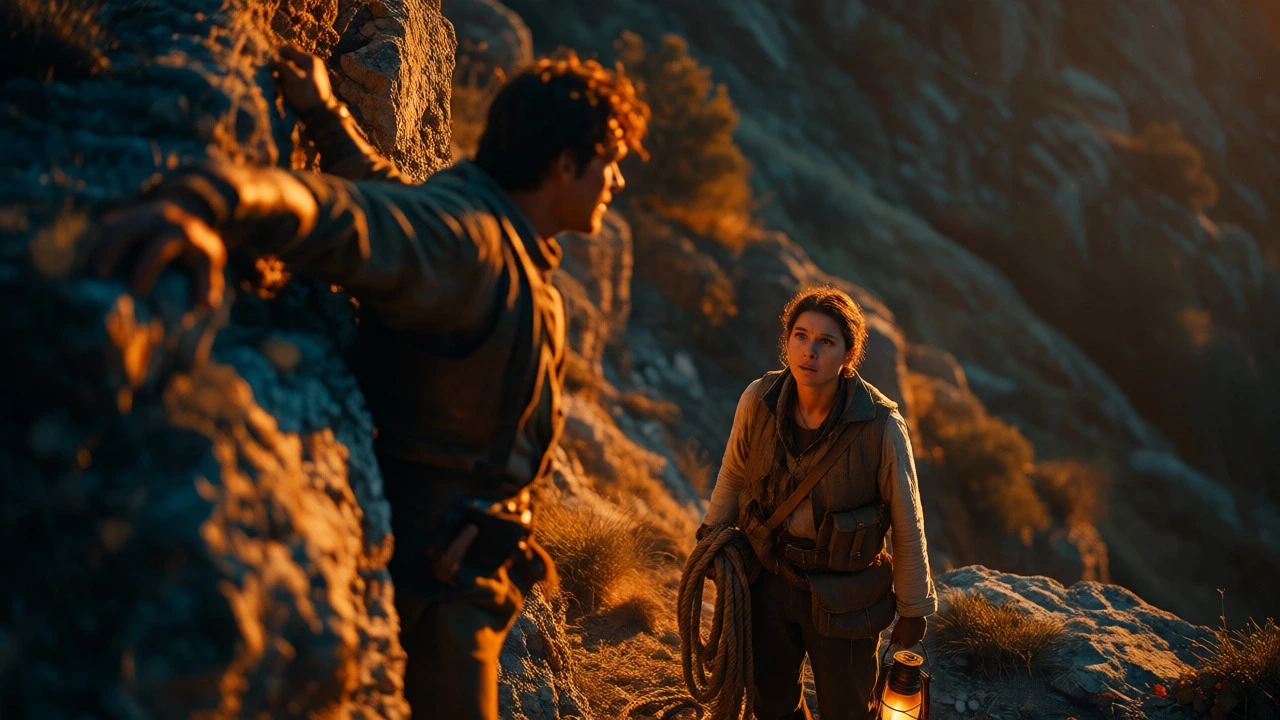
You’re deep into an adventure story. The hero is dangling from a cliff edge, monologuing about their destiny. Then, someone shouts up from below with a sarcastic quip and a rope. Who is that person? They aren’t the villain, and they certainly aren’t the love interest. They are the sidekick, or more commonly, the main character’s best friend.
This question-"What is the main character's best friend called?"-seems simple, but it touches on one of the oldest and most vital structures in storytelling. Whether you call them a sidekick, a companion, or a confidant, this character serves a specific mechanical purpose in narrative design. They exist to make the hero look smarter, braver, or more human. If you’ve ever wondered why your favorite protagonist feels incomplete without their buddy, you’re noticing the function of this archetype in action.
The Technical Term: Why "Sidekick" Sticks
In literary analysis and screenwriting, the term for the main character’s best friend is almost universally sidekick. While "best friend" describes the emotional relationship between two characters, "sidekick" describes their structural role in the plot. The word itself has a colorful history. It originated in American slang in the late 19th century, likely referring to someone who stood at the "side" of a pickpocket, ready to help or distract. By the time comic books exploded in popularity during the Golden Age of Comics (roughly 1938-1956), the term had solidified its place in pop culture.
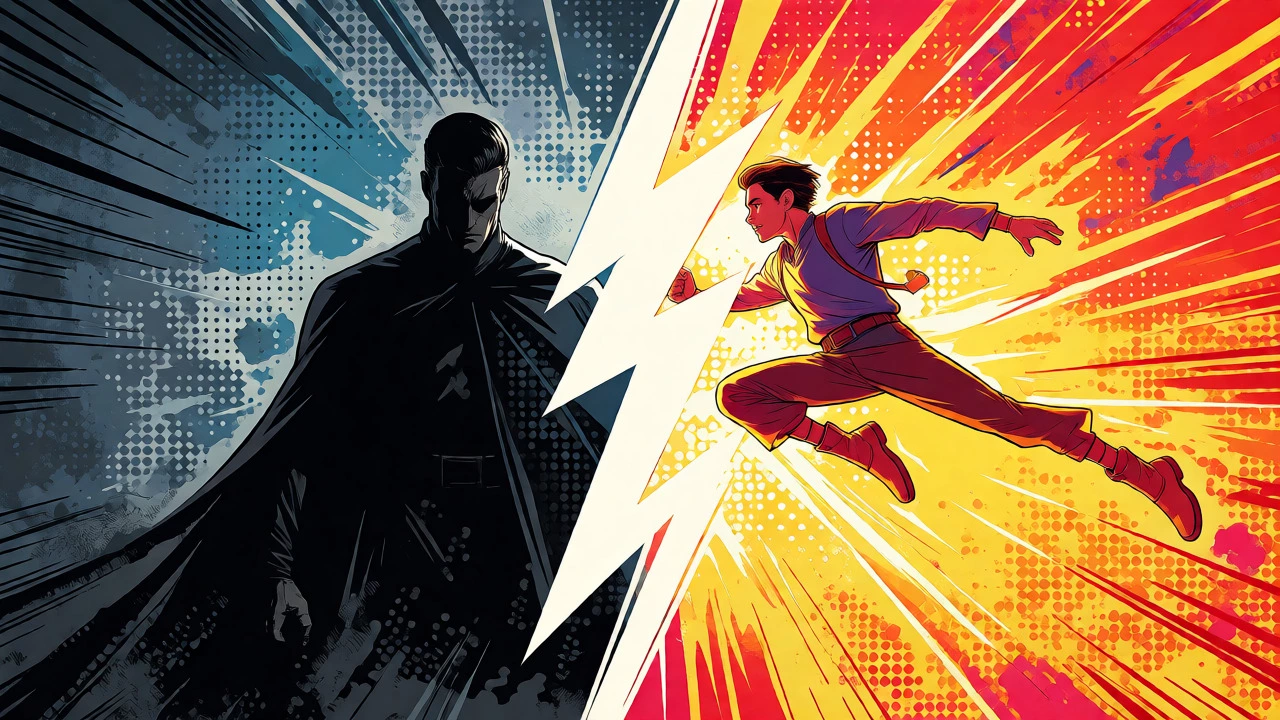
Think of Robin next to Batman. Robin isn’t just Batman’s son figure; he is the literal definition of a sidekick. He provides contrast. Where Batman is dark, brooding, and serious, Robin is often lighter, more agile, and emotionally open. This dynamic isn’t accidental. Writers use the sidekick to externalize parts of the hero’s personality that would otherwise remain internal thoughts. Without the sidekick, the hero talks to themselves. With the sidekick, the hero has someone to bounce ideas off of, making the exposition feel natural rather than forced.
Beyond the Label: Types of Companions
Not every best friend fits the classic "boy wonder" mold. Adventure literature has evolved, and so have the names we give these roles. Depending on the genre and the tone of the story, the main character’s ally might be categorized differently. Here is how the terminology shifts based on function:
- The Foil: A character whose traits highlight the differences in the protagonist. In Sherlock Holmes, Dr. Watson is less of a "helper" and more of a foil. His normalcy makes Holmes’ genius seem even more extraordinary.
- The Confidant: Common in romance and drama, this character exists primarily to listen. They don’t necessarily fight monsters; they hold space for the hero’s fears. Think of Samwise Gamgee in The Lord of the Rings, though Sam transcends this category by also being a warrior.
- The Mentor-Companion Hybrid: Sometimes the best friend is older or wiser, blurring the line between guide and peer. Obi-Wan Kenobi starts as a mentor, but in later stories, the dynamic shifts toward friendship.
- The Comic Relief: This sidekick’s primary job is to break tension. Han Solo in Star Wars fills this role initially, using humor to offset Luke Skywalker’s earnestness.
Understanding these distinctions helps you identify what kind of friend your protagonist actually needs. Are they lonely? Give them a confidant. Are they too arrogant? Give them a foil. Are they too serious? Give them a joker.
| Archetype | Primary Function | Famous Example | Relationship Dynamic |
|---|---|---|---|
| Classic Sidekick | Assist in physical tasks, provide contrast | Robin (Batman) | Protector/Protected |
| Narrative Foil | Highlight protagonist traits through difference | Dr. Watson (Sherlock Holmes) | Observer/Subject |
| Loyal Companion | Emotional support, shared journey | Samwise Gamgee (Frodo Baggins) | Egalitarian/Devoted |
| Comic Relief | Alleviate tension, ground the hero | Donkey (Shrek) | Annoying/Endearing |
Why Heroes Need Friends: The Psychological Hook
Why do writers insist on pairing protagonists with a best friend? It comes down to relatability. A lone wolf hero can become alienating. If a character never doubts, never asks for help, and never shares vulnerability, readers struggle to connect with them. The sidekick acts as a proxy for the audience. When the sidekick asks, "Wait, why did you do that?", the reader gets the explanation they were wondering about. When the sidekick expresses fear, it validates the reader’s own anxiety about the danger the hero faces.
Consider Harry Potter. Harry is the chosen one, but Ron Weasley and Hermione Granger are essential not just for plot mechanics (Ron brings the chess skills, Hermione brings the logic) but for humanity. Without Ron’s jealousy and insecurity, Harry’s bravery feels hollow. Without Hermione’s frustration, Harry’s impulsiveness lacks consequence. The "best friend" creates friction. And friction is where good stories happen.
Data from publishing trends supports this. Books featuring strong duo or trio dynamics tend to have higher series retention rates. Readers return for the banter, the inside jokes, and the loyalty tests. They aren’t just coming back to see if the hero saves the world; they’re coming back to see if the friends stay together.
Famous Best Friends That Redefined the Trope
Some friendships have become so iconic that they define the entire genre. Let’s look at three examples that show how the "best friend" label evolves over time.
Sancho Panza and Don Quixote: Miguel de Cervantes’ masterpiece established the modern template. Sancho isn’t a warrior; he’s a pragmatic peasant who believes his master is crazy but follows him anyway. Their relationship is built on mutual dependence. Don Quixote gives Sancho purpose; Sancho keeps Don Quixote from completely losing touch with reality. This dynamic proved that a sidekick doesn’t need to be physically capable-they just need to be present.
Toto and Dorothy Gale: In The Wizard of Oz, Toto is a dog. Yet, he fulfills every narrative requirement of a sidekick. He initiates the plot (chasing the cat), provides emotional comfort, and offers a non-human perspective that highlights the absurdity of the situation. Toto shows that the "best friend" doesn’t even need to speak English to be effective.
Walter White and Jesse Pinkman: Okay, this is a crime drama, but the structure is identical to an adventure quest. Jesse is technically the sidekick, but the power dynamic flips constantly. This subversion-where the sidekick becomes more morally centered than the hero-is popular in modern anti-hero narratives. It challenges the traditional idea that the main character is always the moral compass.
How to Write Your Own Sidekick
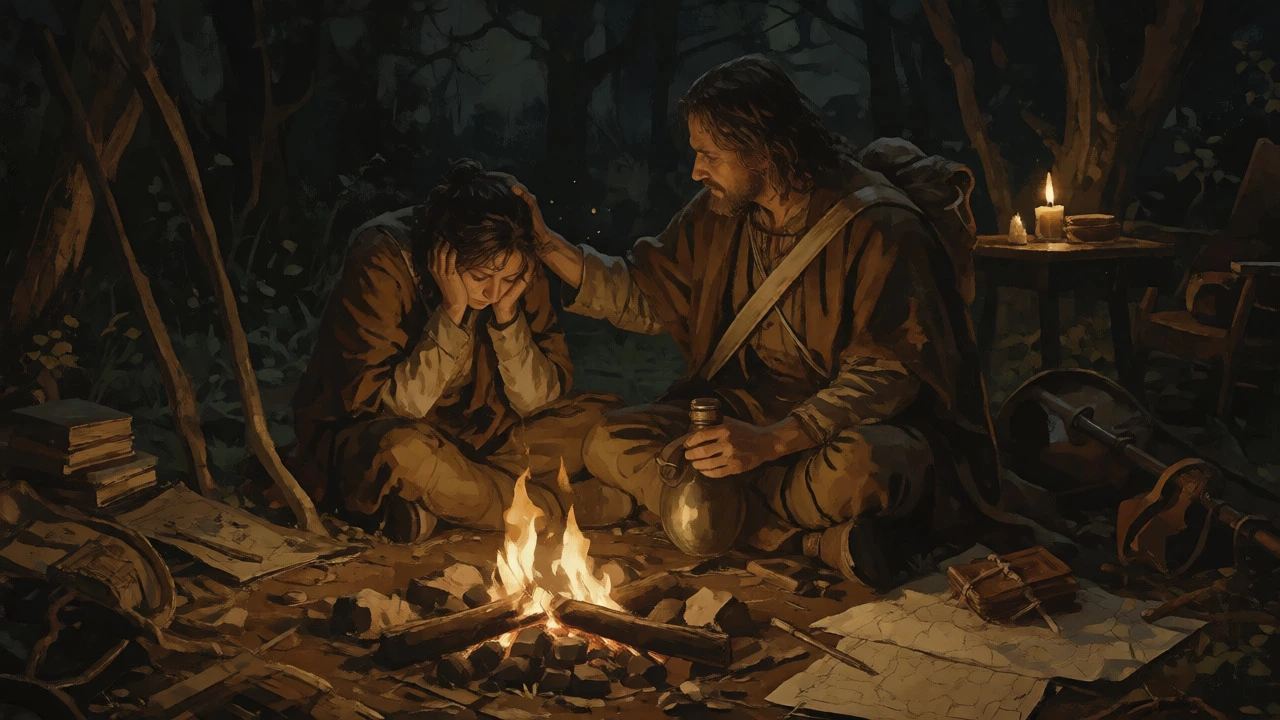
If you’re crafting an adventure story, avoid the trap of making the best friend a mere prop. A bad sidekick is annoying, incompetent, and only appears when the plot needs them to explain something. A great sidekick has their own agency. Here are three rules for creating a memorable companion:
- Give Them Competence: Even if they aren’t the strongest fighter, they must be good at something the hero isn’t. Maybe they’re great at picking locks, or maybe they’re excellent at calming angry crowds. If the hero does everything, the sidekick is useless.
- Create Conflict: Friends shouldn’t agree on everything. The best friendships in fiction are tested by disagreement. Let the sidekick disagree with the hero’s plan. Let them get angry. Resolution after conflict strengthens the bond.
- Let Them Leave: At some point, the sidekick should step away or face a separate challenge. This proves they have their own life outside the hero’s shadow. When they return, the reunion feels earned.
Remember, the goal isn’t just to answer "what is the main character's best friend called?" It’s to understand that this character is the heartbeat of the adventure. They turn a solo mission into a shared experience, and that’s what makes readers care.
Frequently Asked Questions
Is a sidekick always younger than the main character?
No. While many classic sidekicks like Robin are younger, there are plenty of examples where the sidekick is older or the same age. Dr. Watson is roughly the same age as Sherlock Holmes, and in some interpretations, slightly older. The key factor is not age, but the shift in power or knowledge dynamics.
Can the main character's best friend be an animal?
Absolutely. Animals often serve as sidekicks because they provide unconditional loyalty and can react instinctively to danger, which adds tension. Examples include Toto in The Wizard of Oz, Baloo in The Jungle Book (though he’s more of a mentor/friend hybrid), and Ghost in A Song of Ice and Fire. Animal companions also allow for non-verbal communication cues that can advance the plot.
What is the difference between a sidekick and a supporting character?
A supporting character plays a role in the plot but may not have a continuous presence alongside the hero. A sidekick travels with the hero throughout the majority of the journey and interacts with them directly in almost every scene. The sidekick is integral to the protagonist’s daily existence in the story, whereas a supporting character might appear only in specific chapters or acts.
Why do sidekicks sometimes die in stories?
The death of a sidekick is a powerful narrative device used to raise the stakes and force the hero to grow. It removes the safety net, proving that no one is invincible. It also motivates the hero to take decisive action out of grief or rage. However, it should be done carefully; if the sidekick hasn’t been developed enough, their death won’t resonate with the audience.
Are there other names for a sidekick?
Yes. Depending on the context, they might be called a companion, lieutenant, partner, associate, or second. In fantasy genres, terms like squire, apprentice, or ward are common. In sci-fi, you might hear co-pilot or crewmate. The term "best friend" is informal and emphasizes the emotional bond, while "sidekick" emphasizes the functional role in the team.