What is cozy fantasy? A gentle guide to the comforting world of cozy fantasy novels
 Dec, 1 2025
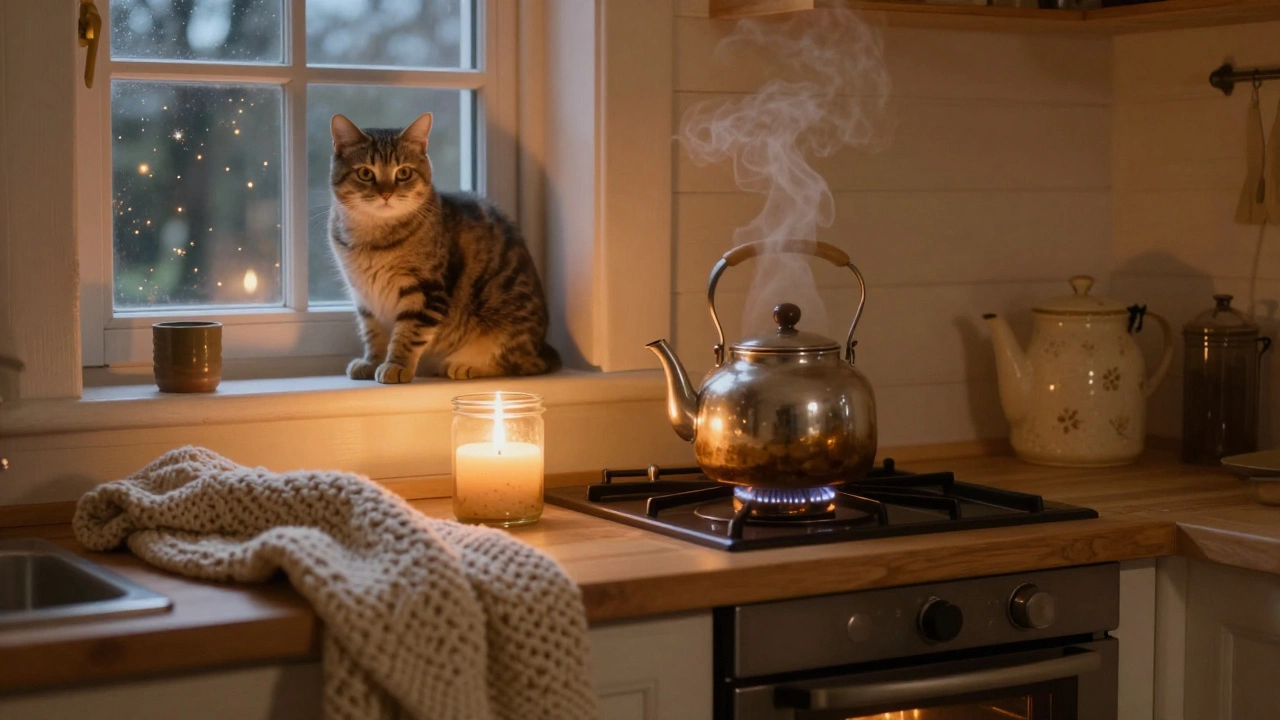
Ever read a fantasy book where the biggest danger is a burnt pie, the villain is a grumpy cat, and the hero saves the day by fixing a leaky roof and brewing tea? That’s cozy fantasy. It’s not about epic battles, dark lords, or blood-soaked thrones. It’s about quiet magic, warm kitchens, and the kind of peace that comes when you know your neighbors have your back.
Cozy fantasy isn’t about saving the world - it’s about making your corner of it better
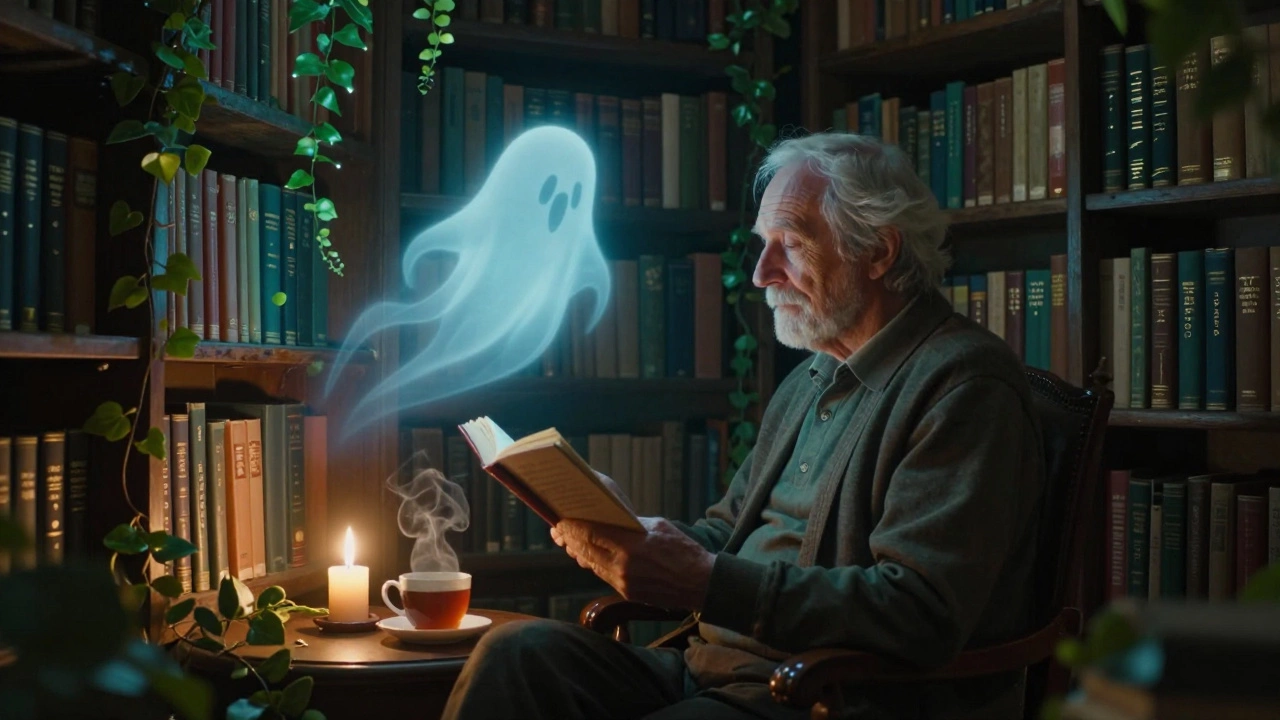
Cozy fantasy flips the script on traditional fantasy. Instead of a chosen one wielding a legendary sword, you get a baker who discovers her sourdough starter is enchanted. Instead of a quest to destroy a ring, you get a librarian who helps a ghost find its lost book. The stakes feel small - a missing cat, a failing shop, a spell that won’t hold - but the emotional weight is huge. You care because the characters care. And you care because their world feels real.
This genre thrives on comfort. Think soft blankets, candlelight, hand-knit sweaters, and the smell of cinnamon rolls. Magic is woven into everyday life, not hidden in ancient ruins. A talking owl might run the post office. A hedgehog might be the town’s mayor. A witch might run a knitting circle that doubles as a spellcraft workshop. The magic doesn’t roar - it hums.
What makes cozy fantasy different from other fantasy?
Traditional fantasy often leans into conflict, power struggles, and high stakes. Think Dungeons & Dragons campaigns where the party fights dragons to save kingdoms. Cozy fantasy? The party gathers for tea after a minor magical mishap. The real enemy isn’t a demon lord - it’s loneliness, burnout, or the fear of change.
Here’s how it breaks down:
- Setting: Small towns, villages, cottage cores, or magical libraries. Cities are rare. When they appear, they’re charming, not overwhelming.
- Protagonists: Often introverts, older characters, or people who’ve walked away from big-city life. They’re not warriors - they’re healers, artisans, teachers, or librarians.
- Conflict: Personal, relational, or community-based. No world-ending curses. Maybe the town’s well has stopped working, or a neighbor’s garden is cursed with too many dandelions.
- Tone: Warm, hopeful, slow-paced. Even when something goes wrong, there’s a sense that it can be fixed - with patience, kindness, and a good cup of tea.
- Violence: Almost never shown. If someone gets hurt, it’s off-page. Death is rare and handled with quiet dignity.
Cozy fantasy doesn’t need dragons to be magical. A cat that purrs in perfect harmony with a spell, or a door that only opens when you sing your favorite lullaby - that’s enough.
Who reads cozy fantasy - and why now?
Cozy fantasy exploded in popularity after 2020. People were tired. Tired of chaos. Tired of noise. Tired of stories where the world was ending and no one knew how to fix it. Cozy fantasy offered something else: safety. Belonging. A world where problems are solved with empathy, not force.
It’s popular with readers who love romance but want less drama, readers who love historical fiction but want magic, and readers who just want to feel calm while turning pages. It’s not escapism - it’s reclamation. A return to the idea that small acts matter.
It’s also a big hit with older readers, neurodivergent readers, and anyone who finds high-stakes fantasy overwhelming. You don’t need to memorize a map of ten kingdoms to enjoy this. You just need to want to sit by a fire, listen to rain on the roof, and watch someone mend what’s broken - with magic, if they’ve got it.

Key themes in cozy fantasy
While every cozy fantasy is unique, a few themes keep showing up:
- Community: Neighbors help each other. Secrets are kept gently. Everyone has a role.
- Healing: Not just physical - emotional, spiritual, and cultural. A character might heal a haunted house by restoring its original wallpaper.
- Tradition: Recipes, crafts, rituals. Magic is often tied to making things by hand.
- Slow change: No revolutions. No coups. Progress happens one conversation, one repaired fence, one shared meal at a time.
- Quiet courage: Standing up for a friend. Saying no to a powerful witch. Choosing kindness over convenience.
One book, The House in the Cerulean Sea by TJ Klune, became a phenomenon not because of magic battles, but because it showed a government agent learning to love misfit magical children - and realizing that safety isn’t about control, it’s about belonging.
Cozy fantasy vs. other gentle genres
It’s easy to confuse cozy fantasy with other calm genres. Here’s how it stands apart:
| Genre | Setting | Conflict | Magic | Ending |
|---|---|---|---|---|
| Cozy Fantasy | Small town, cottage, magical shop | Personal, community-based | Everyday, subtle, woven into routine | Hopeful, quiet resolution |
| Romance | Modern world, small town | Relationship tension | None | Happily ever after |
| Low Fantasy | Real world with hidden magic | Often dangerous, secretive | Hidden, dangerous, rarely comforting | Mixed or bittersweet |
| Whimsical Fantasy | Whimsical, surreal | Abstract, surreal | Playful, absurd | Open-ended, dreamlike |
Cozy fantasy doesn’t just use magic - it uses it to heal. It doesn’t just have a small town - it makes you want to live there. And it doesn’t just end happily - it ends with you feeling like you’ve been hugged.
Where to start with cozy fantasy
If you’re new to the genre, here are five accessible books to try:
- The House in the Cerulean Sea by TJ Klune - A caseworker visits a magical orphanage and finds more than he expected.
- A Psalm for the Wild-Built by Becky Chambers - A tea monk and a robot travel through forests, asking what the world needs.
- Witch’s Cottage by M. L. Buchman - A woman inherits a cottage with a grumpy witch, a talking cat, and a garden that grows truth.
- The Midnight Bargain by C.L. Polk - Magic is tied to marriage - until a young woman decides to rewrite the rules.
- How to Make Friends with a Ghost by Rebecca K. S. Ansari - A librarian helps ghosts find peace by reading them their favorite stories.
These books don’t ask you to be brave. They ask you to be kind. To listen. To show up. That’s the real magic.
Why cozy fantasy matters
In a world that feels louder, faster, and more fractured, cozy fantasy doesn’t ignore the pain - it offers a different way through. It says: You don’t need to save the world to make it better. You just need to care for the small things. To bake bread. To mend socks. To sit with someone who’s lonely.
It’s fantasy that doesn’t run from the quiet. It finds power in the soft. In the ordinary. In the everyday acts of love that no one writes songs about - but everyone remembers.
Maybe that’s why it’s the fastest-growing corner of fantasy right now. Not because it’s easy. But because it’s true.
Is cozy fantasy only for women?
No. While cozy fantasy has a large female readership, it’s not gender-specific. Many male and non-binary readers are drawn to its calm pacing, emotional depth, and focus on relationships. Books like A Psalm for the Wild-Built and The House in the Cerulean Sea have strong male protagonists and appeal across genders. The genre is about comfort, not gender.
Are there cozy fantasy series, or just standalones?
Both exist. Many cozy fantasy books are standalones - perfect for readers who want a complete, comforting story in one go. But there are also beloved series, like Becky Chambers’ Wayfarers books or the Witch’s Cottage series by M. L. Buchman. Series work well here because readers return to familiar places and characters, like visiting a favorite café.
Can cozy fantasy have romance?
Yes, but it’s never the main focus. Romance in cozy fantasy is slow, quiet, and woven into daily life - a shared cup of tea, a glance across a bakery counter, letters exchanged over weeks. It’s not about grand gestures. It’s about showing up, again and again.
Is cozy fantasy just for adults?
Most cozy fantasy is written for adults, but it’s often suitable for older teens. It avoids graphic content, violence, and explicit themes. Books like The Midnight Bargain or How to Make Friends with a Ghost can easily be read by 15+ audiences. There’s also a growing subgenre called "cozy YA," which blends gentle fantasy with teen protagonists navigating identity and belonging.
Why is it called "cozy"?
The term "cozy" comes from the cozy mystery genre - books that focus on small-town crime with little violence and lots of charm. Cozy fantasy borrowed that label because it shares the same vibe: warm settings, gentle stakes, and a feeling of safety. It’s the literary equivalent of wearing your favorite sweater while it rains outside.
What to do next
If you’ve never read a cozy fantasy book, pick one from the list above. Find a quiet corner. Brew a cup of tea. Let the magic be quiet. Let the story be slow. And notice how, after a few pages, you start to feel calmer - not because the world changed, but because you finally let yourself rest.