What Is Arguably the Best Movie of All Time in Crime Thrillers?
 Jan, 13 2026
There are thousands of movies about crime, but only one that still grips people 50 years after it came out. It’s not the most violent. It’s not the fastest-paced. It doesn’t have a twist ending you see coming from miles away. Yet, when you ask people who know films - critics, directors, even regular viewers - what the best crime movie ever made is, the same title comes up again and again: The Godfather.
Why This Movie Stands Above the Rest
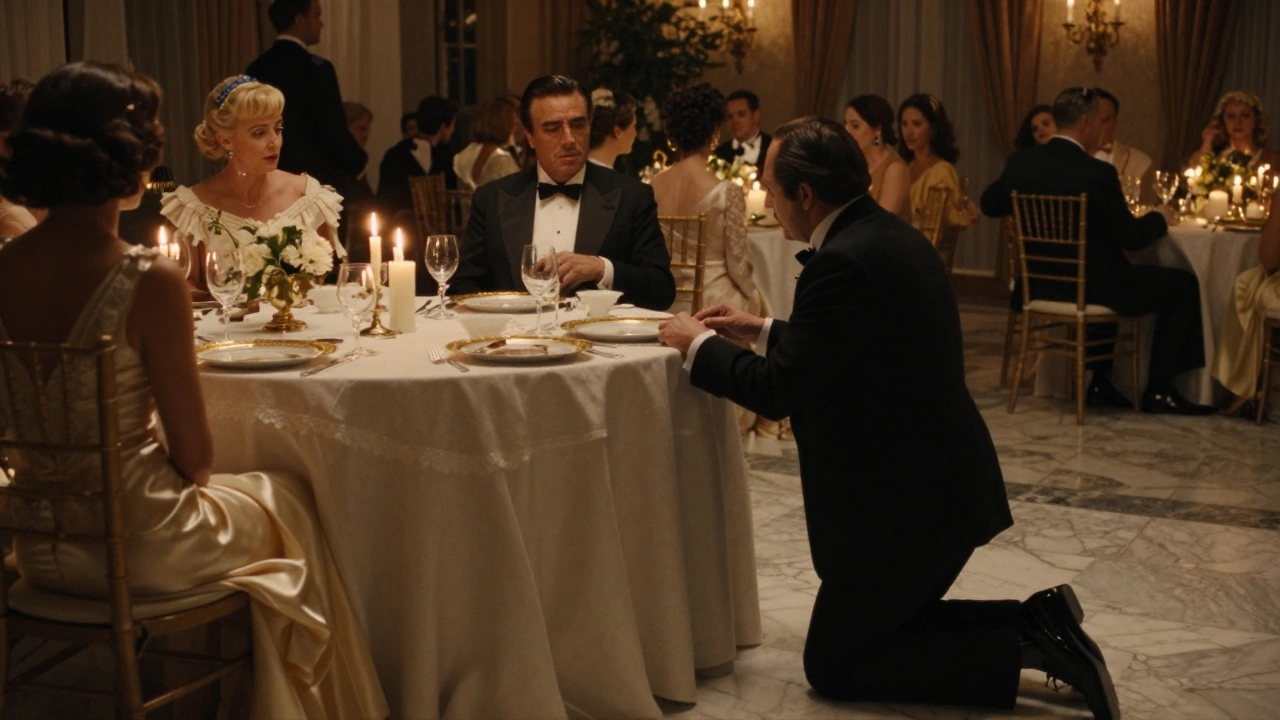
Most crime movies are about the action: the heists, the shootouts, the chases. The Godfather is about power. It’s about family. It’s about how a man becomes something he never wanted to be. The story doesn’t start with a gun. It starts with a wedding. A daughter’s wedding. A man sitting in his study, listening to pleas from people who see him as a father, not a boss. That’s the genius of it. The violence isn’t the point - it’s the consequence.
Marlon Brando’s Vito Corleone doesn’t shout orders. He doesn’t need to. His voice is calm. His eyes are tired. He knows what he’s done. He knows what’s coming. And he accepts it. That’s what makes him terrifying. He’s not a monster. He’s a man trying to protect his family in a world that doesn’t care about morality - only control.
It Changed How Crime Stories Are Told
Before The Godfather, mob movies were either slapstick comedies or cheap B-movies with cardboard villains. After it, every crime film had to ask: What’s the human cost? What’s the price of loyalty? What happens when duty kills love?
Francis Ford Coppola didn’t just direct a movie. He built a world. The Corleone family isn’t just a gang. It’s a dynasty. The Sicilian traditions, the silent nods, the way they speak in code - every detail feels real because it was researched. The filmmakers studied actual Mafia families. They hired consultants who had lived inside that world. Even the food on the table was authentic. That attention to detail didn’t just make the movie look good - it made it feel true.
The Cast Made History
Al Pacino wasn’t even the first choice to play Michael Corleone. He was a relative unknown. But his transformation from war hero to cold-blooded patriarch is one of the most chilling arcs in cinema. You watch him change not because he wants to, but because he has to. The moment he orders the hit on Sollozzo? That’s not a villain origin story. That’s a man losing his soul - and the audience knows it.
Robert Duvall as Tom Hagen? He’s the quiet glue holding the family together. James Caan as Sonny? He’s the fire that burns too fast. Diane Keaton as Kay? She’s the outsider who never truly understands what she married into. Each actor didn’t just play a role - they became part of the myth.
It’s Not Just a Movie. It’s a Cultural Blueprint
People quote this film like scripture. "I’m gonna make him an offer he can’t refuse." That line isn’t just famous - it’s a cultural shorthand for power. You don’t need to have seen the movie to know what it means.
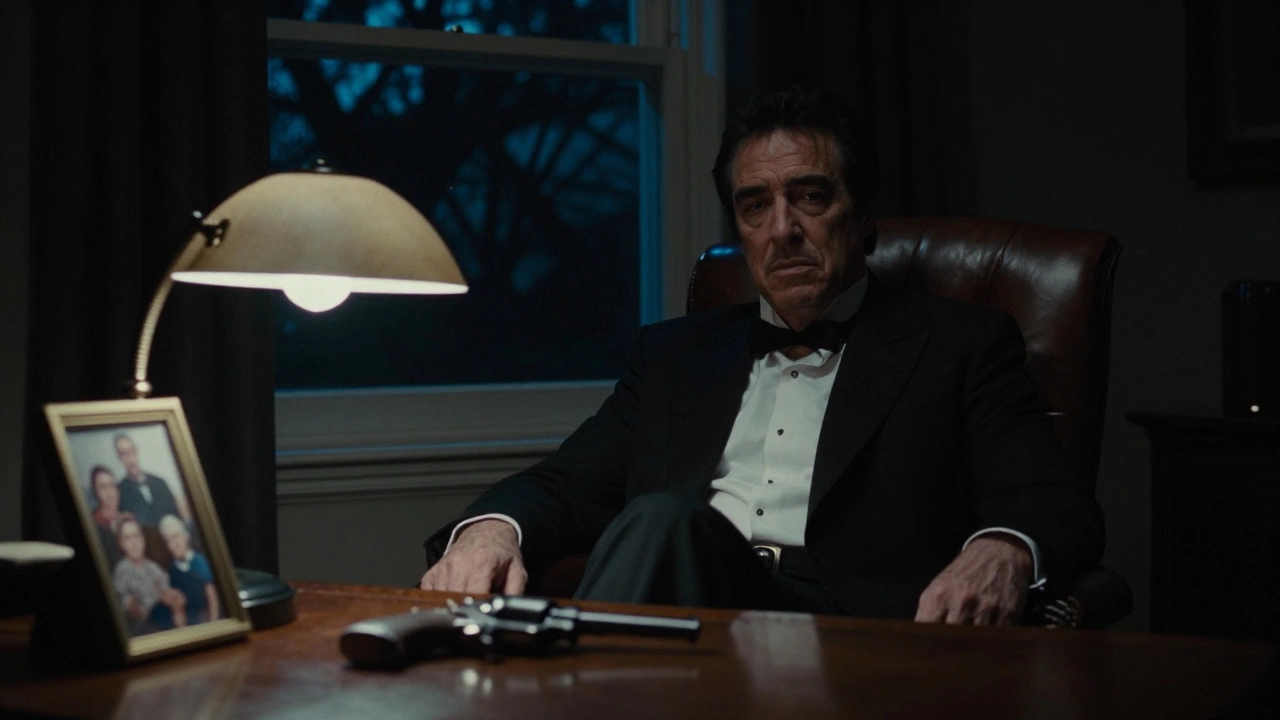
The opening scene - the Don listening to a man beg for justice - is copied in dozens of films since. The horse head in the bed? It’s not just shock value. It’s a warning. A promise. A declaration that this world operates by rules no outsider can control. That scene didn’t just scare people. It redefined fear in cinema.
Even the music - Nino Rota’s haunting theme - is instantly recognizable. It doesn’t just accompany the story. It becomes part of the story’s soul. You hear it, and you feel the weight of legacy.
Why Other Crime Movies Don’t Compare
There are great crime films. Goodfellas has energy. Scarface has intensity. Miller’s Crossing has style. But none of them have the same depth of consequence.
Goodfellas is about the thrill. The Godfather is about the emptiness after the thrill fades. One shows you how the mob works. The other shows you what it costs to be part of it.
Even The Sopranos, the TV show many call the spiritual successor, leans on The Godfather for its emotional core. Tony Soprano isn’t a new kind of mob boss. He’s Michael Corleone with therapy bills.
It Still Works Today - Because It’s Not About Crime
Here’s the truth: The Godfather isn’t really a crime movie. It’s a family drama wrapped in suits and silence. It’s about a father trying to give his son a better life - and accidentally destroying it. It’s about the American Dream turned inside out.
That’s why it still resonates. People don’t watch it for the blood. They watch it because they see themselves in it. Maybe not the violence - but the choices. The pressure to protect your family. The cost of silence. The way power changes you without you noticing.
It’s not about who killed who. It’s about who became what.
The Numbers Don’t Lie
It won three Oscars, including Best Picture. It’s ranked #1 on the American Film Institute’s list of the greatest American films - twice. It’s the highest-grossing film of 1972, adjusted for inflation. It’s been preserved by the Library of Congress as culturally, historically, and aesthetically significant.
But numbers don’t explain why people still watch it in 2026. Why parents show it to their kids. Why film students analyze every frame. Why actors still study Brando’s pauses. Why directors still try - and fail - to recreate its tone.
It’s because The Godfather doesn’t feel like a movie. It feels like history.
What Makes It the Best? The Answer Is Simpler Than You Think
It’s not the script. It’s not the acting. It’s not even the direction.
It’s the fact that it doesn’t ask you to cheer for the bad guys. It asks you to understand them. And in that understanding, you see your own choices reflected - the compromises you’ve made, the lines you’ve crossed, the people you’ve hurt to protect what you love.
That’s why it’s the best. Not because it’s perfect. But because it’s honest.
Is The Godfather really the best crime movie ever?
Yes - by almost every measure that matters. Critics, filmmakers, and audiences have ranked it #1 for over 50 years. It’s the only crime film to win Best Picture at the Oscars and still be talked about the same way decades later. Other movies may be more violent or flashy, but none match its emotional depth or cultural impact.
Why do people say The Godfather isn’t a typical crime movie?
Because it’s not focused on the crimes themselves. It’s focused on the people committing them. The movie spends more time on family dinners, wedding rituals, and quiet conversations than on gunfights. The violence happens off-screen or in silence - and that makes it more powerful. It’s a tragedy about power, not a thriller about crime.
Should I watch The Godfather Part II too?
Yes - but only after the first. Part II isn’t just a sequel. It’s a mirror. It shows Michael Corleone becoming everything his father feared. The two films together form one complete story. Part II won Best Picture too - but it doesn’t stand alone. It deepens the first film. It doesn’t replace it.
Is The Godfather too slow for modern viewers?
It’s not slow - it’s deliberate. The pacing lets you sit with the silence, the glances, the weight of unspoken threats. Modern films rush to the next shot. This one lets you feel what the characters feel. If you’re used to fast cuts and loud music, it might feel different at first. But stick with it. The payoff isn’t action - it’s realization.
What’s the best way to watch The Godfather for the first time?
Watch it in a quiet room, with no distractions. Don’t pause it. Don’t check your phone. Let the music, the lighting, and the silence pull you in. Watch it once all the way through. Then watch it again - this time, pay attention to Michael’s eyes. You’ll see the change. That’s where the movie lives.
What to Watch Next
If The Godfather changed how you think about crime, try these next:
- Chinatown - A noir mystery where corruption isn’t hidden. It’s the system.
- Heat - A clash of two professionals, one a cop, one a thief. No heroes. No villains. Just consequences.
- The Departed - A modern take on loyalty and identity in the underworld.
- Miller’s Crossing - A Coen brothers masterpiece with dialogue that sings and violence that stings.
But none of them will replace the first. That’s the thing about The Godfather. It doesn’t just sit at the top of the list. It sets the standard.