What Is an Adventure Girl? The Rise of Bold Female Heroes in Modern Stories
 Dec, 1 2025
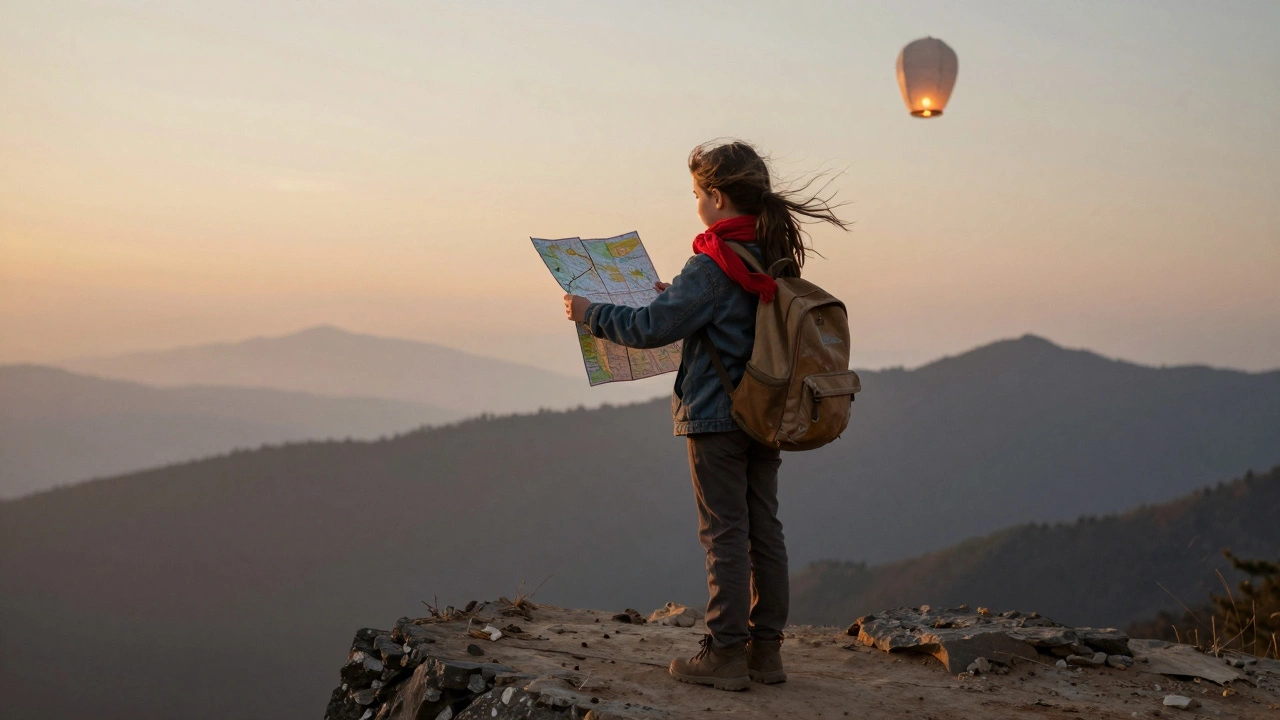
When you think of adventure stories, what comes to mind? Maybe a rugged explorer with a map and a rifle, or a lone sailor battling storms on the high seas. For decades, those were the faces of adventure. But something’s changed. More and more, the heroes of these stories aren’t men in boots-they’re girls. Not just sidekicks or love interests. Not just brave in a pinch. But full-on, grit-filled, map-making, cliff-scaling, danger-loving adventure girls.
Who Is an Adventure Girl?
An adventure girl isn’t just a girl who goes on an adventure. She’s the one who starts it. She’s the one who says, ‘I’m not waiting for someone to rescue me.’ She’s the one who packs her own gear, makes the risky call, and keeps going when everyone else turns back. She doesn’t need a prince, a mentor, or a male sidekick to validate her courage. Her strength isn’t borrowed-it’s built.
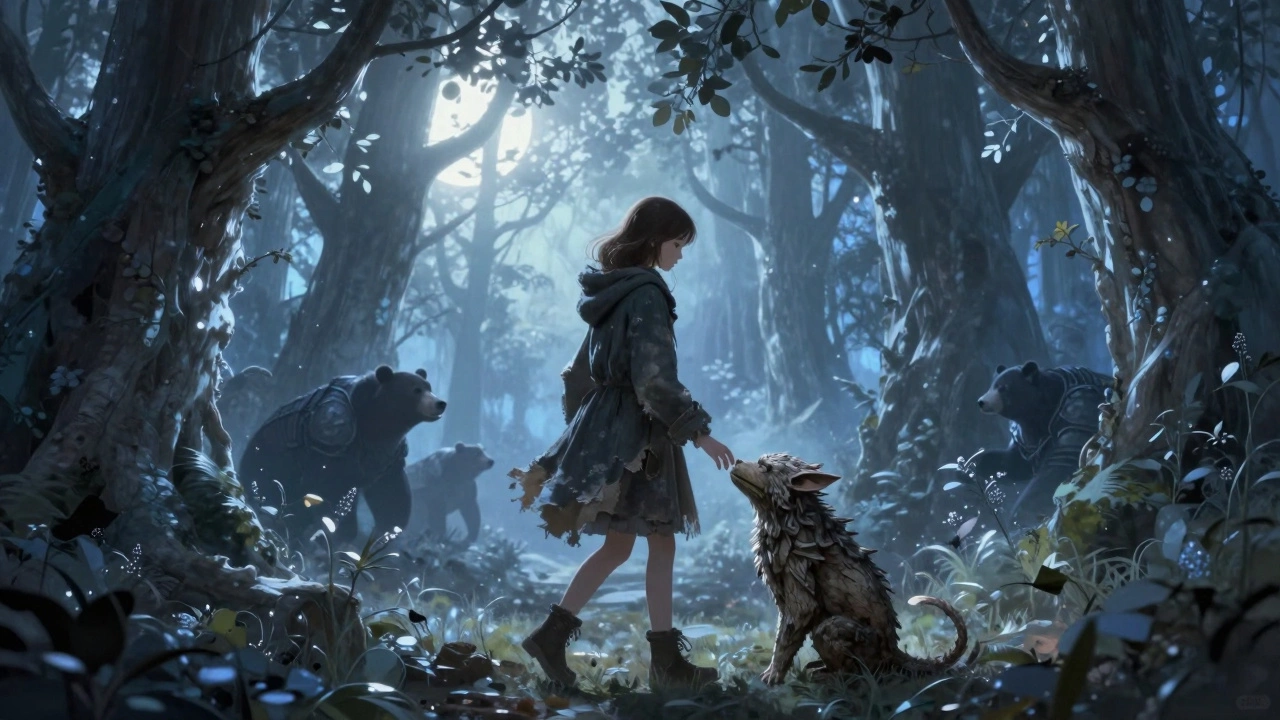
Think of Katniss Everdeen from The Hunger Games. She doesn’t wait to be chosen. She volunteers. She hunts. She outthinks the system. Or Lyra Belacqua from His Dark Materials, who travels across parallel worlds, outwits armored bears, and defies religious authorities-all before she’s even a teenager. These aren’t characters who stumble into heroism. They walk into it, boots on, eyes wide open.
Modern adventure girls are defined by agency. They make choices. They fail. They get hurt. And they keep moving. Their adventures aren’t just about finding treasure or surviving the wilderness-they’re about finding themselves in a world that often tells them to stay small.
Why Now? The Cultural Shift Behind the Trend
This isn’t just a literary fad. It’s a cultural reset. For years, adventure was coded as masculine. Boys got maps. Girls got dolls. Boys got to climb mountains. Girls were told to watch from the bottom. But the last 15 years have seen a quiet revolution in storytelling. Parents raised on strong female leads in TV shows like Wonder Woman and Star Wars: The Force Awakens now buy books for their daughters that reflect that same energy.
Studies from the Cooperative Children’s Book Center show that between 2010 and 2023, the number of children’s and YA books with female protagonists in adventure roles increased by 217%. That’s not a coincidence. It’s a demand. Girls are asking for stories where they’re not the prize-they’re the quest.
And it’s not just kids. Adult readers are snapping up novels like The Last Girl by Starlight by Elizabeth Bear, or Daughter of the Deep by Rick Riordan, where the heroine isn’t just surviving-she’s rewriting the rules of the world. These aren’t ‘girl versions’ of male heroes. They’re their own kind of hero, with their own rhythms, fears, and triumphs.
What Makes an Adventure Girl Different From a ‘Strong Female Character’?
There’s a big difference between a ‘strong female character’ and an adventure girl. The first is often a checklist: she’s tough, she fights, she’s emotionally closed off. She’s powerful, but she’s still defined by how she compares to men. An adventure girl? She doesn’t care about the comparison. She’s not trying to prove she’s as good as a boy. She’s just doing what needs to be done.
Take Aela from The Girl Who Drank the Moon by Kelly Barnhill. She’s not a warrior. She doesn’t wield a sword. But she walks through forests haunted by spirits, bargains with ancient trees, and carries the weight of a broken world on her shoulders. Her strength isn’t in muscle-it’s in resilience, in curiosity, in the quiet refusal to give up.
Adventure girls aren’t always the loudest. Sometimes they’re the ones who notice the hidden path, who listen to the wind instead of shouting over it. They don’t need to be the strongest to be the bravest. Their power comes from their willingness to be vulnerable, to ask for help, to change their minds-and still keep going.
Real-Life Inspirations Behind the Fiction
The best adventure girls in fiction aren’t pulled out of thin air. They’re inspired by real women who’ve done the impossible.
Take Sirimavo Bandaranaike, the world’s first female prime minister, who traveled alone through war-torn Sri Lanka in the 1950s. Or Junko Tabei, the first woman to climb Mount Everest in 1975, who said, ‘I didn’t climb to prove I was as good as men. I climbed because I wanted to see the view.’
Or consider the modern-day adventurers: 17-year-old Malala Yousafzai walking through Taliban-controlled valleys to speak for education. Or 21-year-old Zara Rutherford, who in 2022 became the youngest woman to fly solo around the world in a small plane. These aren’t characters in a book. They’re living proof that adventure doesn’t have a gender.
Writers today are borrowing from these real lives. They’re weaving in the quiet courage of girls who speak up in classrooms, who fix broken bikes, who hike alone in the woods, who say ‘no’ to pressure and ‘yes’ to curiosity. That’s the heart of the modern adventure girl.
How Adventure Girls Are Changing the Genre
Before, adventure stories were built around the ‘hero’s journey’-a path laid out by Joseph Campbell in the 1940s. It was a male-centric model: call to adventure, mentor, trials, return. But adventure girls don’t always follow that path. They don’t always need a mentor. Sometimes their mentor is a journal they keep. Sometimes their ‘return’ isn’t home-it’s a new place they choose to build.
Modern adventure stories now include:
- Protagonists who solve problems with intelligence, not fists
- Relationships that aren’t romanticized but rooted in trust and teamwork
- Settings that aren’t just wild landscapes but social systems they must dismantle
- Endings that aren’t about winning a prize but about becoming someone new
Books like The Girl Who Could Fly by Victoria Forester or Rebel of the Sands by Alwyn Hamilton don’t just feature girls in adventure roles-they rewrite what adventure means. It’s no longer about conquering nature. It’s about conquering fear. About finding your voice in a world that tries to silence it.
Why This Matters for Readers
If you’re a girl reading these stories, you’re not just being entertained. You’re being told: You belong here. You can be the one to lead. To explore. To break rules. To get lost and find yourself again.
If you’re a boy reading them, you’re learning that courage isn’t loud. It’s not about being the strongest. It’s about being steady. About listening. About standing beside someone who’s fighting their own battles.
And if you’re an adult, you’re being reminded that adventure doesn’t end at 18. It just changes shape. The adventure girl isn’t just a character in a book. She’s a mirror. She’s a promise. She’s what’s possible when you stop waiting for permission.
Where to Find More Adventure Girls
Looking for your next adventure girl? Here are a few books to start with:
- The Girl Who Drank the Moon by Kelly Barnhill
- Rebel of the Sands by Alwyn Hamilton
- Daughter of the Deep by Rick Riordan
- The Last Girl by Starlight by Elizabeth Bear
- Fire in the Mist by H.E. Edgmon
- Wildwood by Colin Meloy
- Amari and the Night Brothers by B.B. Alston
These aren’t just stories. They’re invitations. To climb higher. To go further. To be more than you were told you could be.
Is an adventure girl only for young readers?
No. While many adventure girl stories are written for teens, the themes-courage, self-discovery, defiance of limits-resonate with readers of all ages. Books like The Last Girl by Starlight and Wildwood have strong adult fanbases. The adventure girl isn’t a genre for kids; she’s a mindset for anyone who refuses to stay in their lane.
Do adventure girls always fight or use weapons?
Not at all. Many adventure girls use wit, empathy, or strategy instead of force. Think of Lyra Belacqua, who wins battles with truth and conversation, not swords. Or Aela, who communicates with spirits instead of fighting them. Their strength lies in their choices, not their weapons.
Are adventure girls a replacement for male heroes?
No. They’re an expansion. The world of adventure stories was too narrow for too long. Adding more female heroes doesn’t take away from male ones-it makes the whole genre richer. More perspectives mean more stories, more worlds, more ways to be brave.
Can a boy be an adventure girl?
The term ‘adventure girl’ refers to the archetype, not the gender of the reader. A boy can absolutely identify with an adventure girl’s traits-curiosity, resilience, independence. The label describes the kind of hero, not the body she inhabits. What matters is the spirit of the journey, not the pronouns.
Why do some people resist the idea of adventure girls?
Because change feels like loss. For generations, adventure was tied to a specific image of masculinity. When that image shifts, some people feel their own identity is being challenged. But stories aren’t zero-sum. A girl climbing a mountain doesn’t make it harder for a boy to do the same. It just means more people are climbing-and that’s a good thing.