What Is an Adventure for Kids? A Parent’s Guide to Exciting Reads
 Nov, 17 2026
Kid's Adventure Book Finder
Find the right adventure story for your child by answering a few simple questions about their age and what kind of excitement they enjoy.
Recommended Subgenre
Age GroupTop Book Recommendations:
Parent Tip:
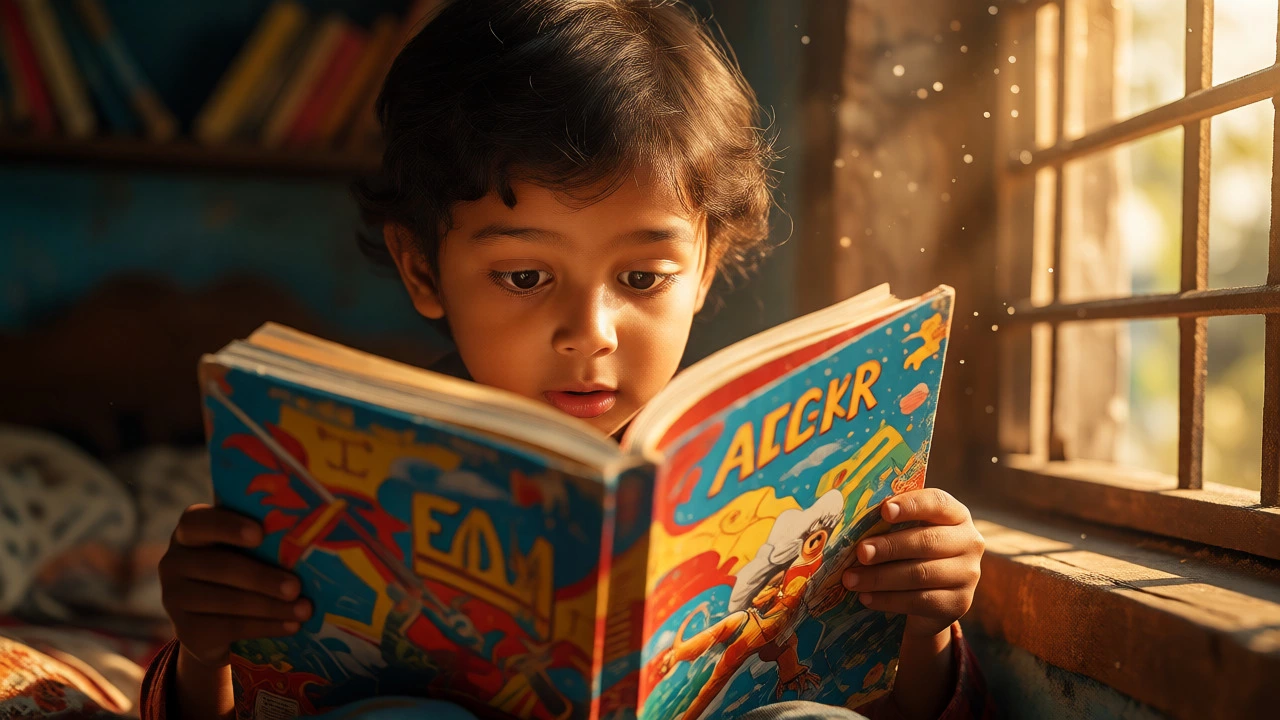
You hand your child a book. They glance at the cover, sigh, and ask, "Is this one of those boring history things?" You know that look. It’s the look of a kid who thinks reading is a chore, not a journey. But what if you could hand them something that feels less like homework and more like a rollercoaster ride? That’s the magic of adventure stories for children. These aren't just tales of people walking through forests; they are engines of imagination that turn quiet afternoons into epic quests.
So, what actually makes a story an "adventure" for a kid? It isn’t just about dragons or pirates, though those help. At its core, an adventure for kids is a narrative driven by action, high stakes, and a protagonist who has to solve problems on the fly. Think of it as a video game in text form. The hero faces a challenge, fails, tries again, learns something new, and eventually overcomes the obstacle. This cycle keeps young brains engaged because it mirrors how they learn best: by doing, failing, and trying again.
The Anatomy of a Kid-Friendly Quest
Not every exciting book counts as an adventure. There’s a specific structure that works wonders for young minds between ages 6 and 12. First, there’s the Call to Action. In adult literature, this might be subtle. For kids, it needs to be loud and clear. A map falls out of a library book. A mysterious letter arrives. The family dog digs up a bone that looks suspiciously like a key. The problem must be immediate and tangible.
Next comes the Journey. This doesn’t always mean traveling across oceans. Sometimes, the most intense adventures happen in the backyard or the local woods. What matters is the change in environment and rules. Once the child leaves their safe zone, the old rules don’t apply. If they’re lost in the city, they can’t just call Mom and Dad immediately; maybe their phone battery died. This isolation forces resourcefulness.
Finally, there’s the Resolution. Kids need closure. Unlike some adult literary fiction where endings are ambiguous, children’s adventures usually end with a clear victory. The treasure is found, the mystery is solved, or the monster is befriended. This gives young readers a sense of agency and hope. It tells them that no matter how scary the situation gets, smart thinking and courage lead to a good outcome.
Why Adventure Stories Matter More Than Ever
We live in a world of screens. Kids have access to instant entertainment, which makes sitting still with a book a harder sell. So why bother with adventure novels? Because they build resilience. When a character like Harry Potter faces a Dementor or Percy Jackson battles a mythological beast, the reader experiences fear and relief vicariously. This emotional rehearsal helps children process their own anxieties.
Consider the difference between passive consumption and active engagement. Watching a cartoon is passive; the visuals are provided for you. Reading an adventure story requires you to construct the world in your mind. You visualize the creaky floorboards, smell the damp cave air, and feel the tension when the villain approaches. This mental workout strengthens neural pathways associated with empathy and spatial reasoning. Studies in developmental psychology suggest that children who read narrative-driven texts show higher levels of emotional intelligence than those who only consume non-fiction or visual media.
| Subgenre | Best Age Range | Key Elements | Example Vibe |
|---|---|---|---|
| Realistic Survival | 8-10 years | Nature skills, teamwork, no magic | Hatchet meets camping trip |
| Historical Quest | 9-12 years | Past settings, real historical figures, mystery | Time Traveler solves a cold case |
| Fantasy Adventure | 7-12 years | Magic systems, mythical creatures, destiny | Percy Jackson saves the camp |
| Mystery Detective | 8-11 years | Clues, red herrings, logical deduction | Encyclopedia Brown cracks the code |

How to Spot a Good Adventure Book
Walking into a bookstore can be overwhelming. How do you pick the right one? Ignore the cover art sometimes-pretty pictures can hide a slow plot. Instead, look for pacing clues. Flip to page ten. Is something happening? Or is the author describing the weather for three pages? Young readers lose interest quickly if the action drags.
Check the protagonist’s age. Kids tend to identify with characters slightly older than themselves. An eight-year-old will root for a ten-year-old hero but might find a five-year-old too young and a fifteen-year-old too distant. Look for flaws in the main character. Perfect heroes are boring. Does the hero get scared? Do they make mistakes? Vulnerability creates connection. If the hero never trips, never forgets a crucial tool, and always knows the answer, the tension evaporates.
Also, consider the series potential. Many kids love continuity. If they enjoy one book, having a sequel ready keeps them reading. Series like Diary of a Wimpy Kid or Magic Tree House leverage this habit perfectly. However, standalone novels work great for reluctant readers who fear commitment. Start small. A 150-page chapter book is less intimidating than a 400-page tome.
Beyond Books: Real-Life Adventures Inspired by Fiction
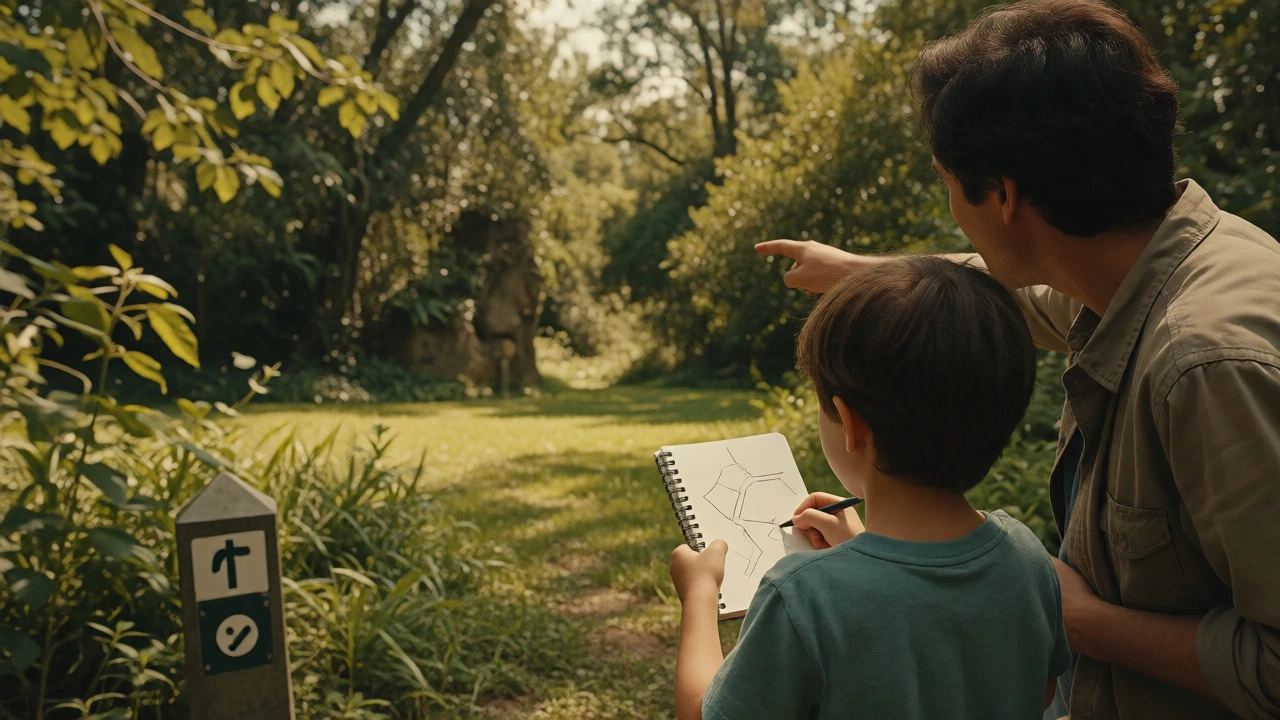
Here’s a secret parents often miss: adventure books can bridge the gap between indoor reading and outdoor play. After finishing a survival story, take your child hiking. Ask them, "What would you do if we were lost here?" Use the book as a springboard for conversation and activity. This turns reading from a solitary act into a shared family experience.
You can also gamify the reading process. Create a "Quest Log." Have your child draw a map of the story’s locations. Did the hero cross a river? Draw a blue line. Did they enter a dark cave? Shade it in black. This visual tracking helps comprehension and makes the abstract concrete. For younger kids, acting out scenes with stuffed animals or LEGO figures can solidify their understanding of plot structure.
Don’t underestimate audio books either. Listening to an adventure story during a car ride or bedtime routine can captivate kids who struggle with decoding text. The narrator’s voice adds drama, pauses for suspense, and differentiates characters. It’s a gateway drug to full literacy. Many kids start with audiobooks and graduate to physical copies once they’re hooked on the characters.
Common Pitfalls to Avoid
One big mistake adults make is forcing "classic" adventures on modern kids. While Treasure Island is a masterpiece, its archaic language and slow pacing can frustrate a third-grader. Save the classics for later. Focus on contemporary authors who write with current rhythms and relatable concerns.
Another trap is choosing books based solely on educational value. Yes, learning vocabulary is nice, but if the kid hates the book, they won’t finish it. And an unfinished book teaches nothing except that reading is painful. Prioritize enjoyment. Let them choose silly, weird, or even "bad" books. Sometimes a goofy comic-book style adventure does more for building a reading habit than a prestigious award-winner.
Finally, avoid spoilers. Never summarize the ending before they’ve started. Part of the joy of adventure is the surprise. If you tell them, "Don’t worry, the dog survives," you’ve killed the tension. Let them wonder. Let them guess. That uncertainty is where the fun lives.
Building a Home Library of Excitement
You don’t need a massive collection to spark a love for adventure. Start with three distinct types: one realistic, one fantastical, and one humorous. This variety ensures there’s always a mood match. Some days, a kid wants to slay a dragon; other days, they want to laugh at a funny mishap in school.
Rotate books seasonally. In summer, push beach-themed mysteries or jungle explorations. In winter, cozy up with snow-bound survival tales or indoor ghost hunts. Keep fresh titles visible. Out of sight means out of mind. Put the newest arrivals on a nightstand, not buried on a shelf. Make access easy and inviting.
Remember, the goal isn’t to create a scholar; it’s to create a reader. And readers are made one thrilling page-turn at a time. When your child finishes a book and asks, "Is there another one?", you’ve won. You’ve given them a key to infinite worlds. That’s the true definition of an adventure for kids: it’s not just a story they read; it’s a door they walk through, eager to see what’s on the other side.
At what age should I introduce adventure books?
You can start introducing simple adventure narratives as early as age 4 or 5 with picture books that feature a clear quest (like finding a lost toy). For chapter books with more complex plots, ages 6 to 8 are ideal. By age 9 or 10, kids can handle longer, more intricate adventures with multiple subplots.
Are fantasy books considered adventure books?
Yes, absolutely. Fantasy is one of the most popular subgenres of adventure. As long as the story involves a journey, challenges, and a protagonist overcoming obstacles, it fits the definition. The presence of magic or mythical creatures doesn't disqualify it; in fact, these elements often heighten the stakes and excitement.
My child refuses to read anything without pictures. What should I do?
Try graphic novel adaptations of classic adventure stories, such as the Diary of a Wimpy Kid series or manga-style adaptations. Also, look for "early chapter books" that still include frequent illustrations to break up the text. Audiobooks paired with the physical book can also help bridge the gap, allowing them to follow along visually while listening to the dramatic narration.
How long should an adventure book be for a beginner reader?
For beginners, aim for books under 150 pages with large print and short chapters. Short chapters provide natural stopping points, which prevents overwhelm. Series like Owl Diaries or Junie B. Jones fit this model well. Success breeds confidence; finishing a short book encourages them to tackle a longer one next.
Do adventure books teach valuable life skills?
Yes. Beyond literacy, adventure stories teach problem-solving, resilience, and empathy. Characters often face dilemmas requiring ethical choices or quick thinking under pressure. Children internalize these strategies, applying them to real-life situations like navigating social conflicts or dealing with unexpected changes.