What Is a Suspenseful Thriller? The Elements That Keep You on Edge
 Feb, 27 2026
Thriller Elements Quiz
According to the article, what is the key difference between thrillers and mysteries?
What are the three pillars of a suspenseful thriller according to the article?
Why are unreliable narrators common in thrillers according to the article?
How does the article describe the villain in suspenseful thrillers?
A suspenseful thriller isn’t just a story with a murder or a chase. It’s a tightly wound machine designed to make your heart race, your palms sweat, and your mind race with "what if?" moments. If you’ve ever stayed up past midnight because you just had to know what happened next, you’ve experienced a suspenseful thriller at work.
It’s Not About the Body Count
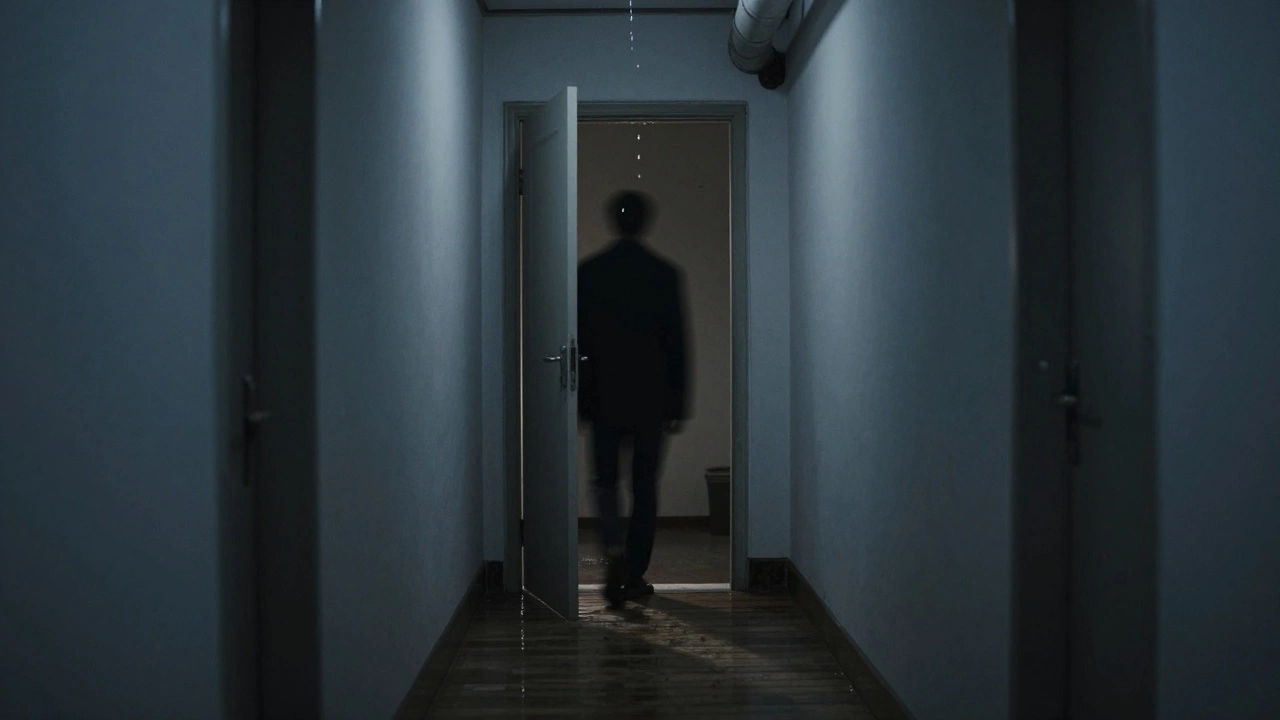
Many people think thrillers are all about violence or explosions. That’s not true. A suspenseful thriller thrives on tension, not blood. Think of suspenseful thriller as the slow drip of water under a door - you don’t know what’s on the other side, but you know it’s bad. The best ones make you feel like you’re walking through a dark house, one step at a time, with every creak sounding like a footstep behind you.
Take Alfred Hitchcock’s Psycho. The shower scene is iconic, but the real power comes from the 20 minutes before it. The audience watches Marion Crane make one bad decision after another. You’re not waiting for the knife - you’re waiting for her to realize she’s trapped. That’s suspense.
The Three Pillars of a Suspenseful Thriller
There are three things every great suspenseful thriller has, no matter the setting:
- High stakes - something meaningful is on the line. Not just survival, but reputation, freedom, love, or innocence.
- Time pressure - a ticking clock, whether it’s hours, days, or minutes. The longer the threat lingers, the more the tension builds.
- Uncertainty - you don’t know who to trust. Not just the villain, but the hero, the ally, even the narrator.
These aren’t optional. Skip one, and the thriller loses its grip. A story with high stakes but no time pressure feels like a slow burn. A thriller with a ticking clock but low stakes feels like a video game. And without uncertainty? You’ve got a detective novel, not a thriller.
Who’s the Real Villain?
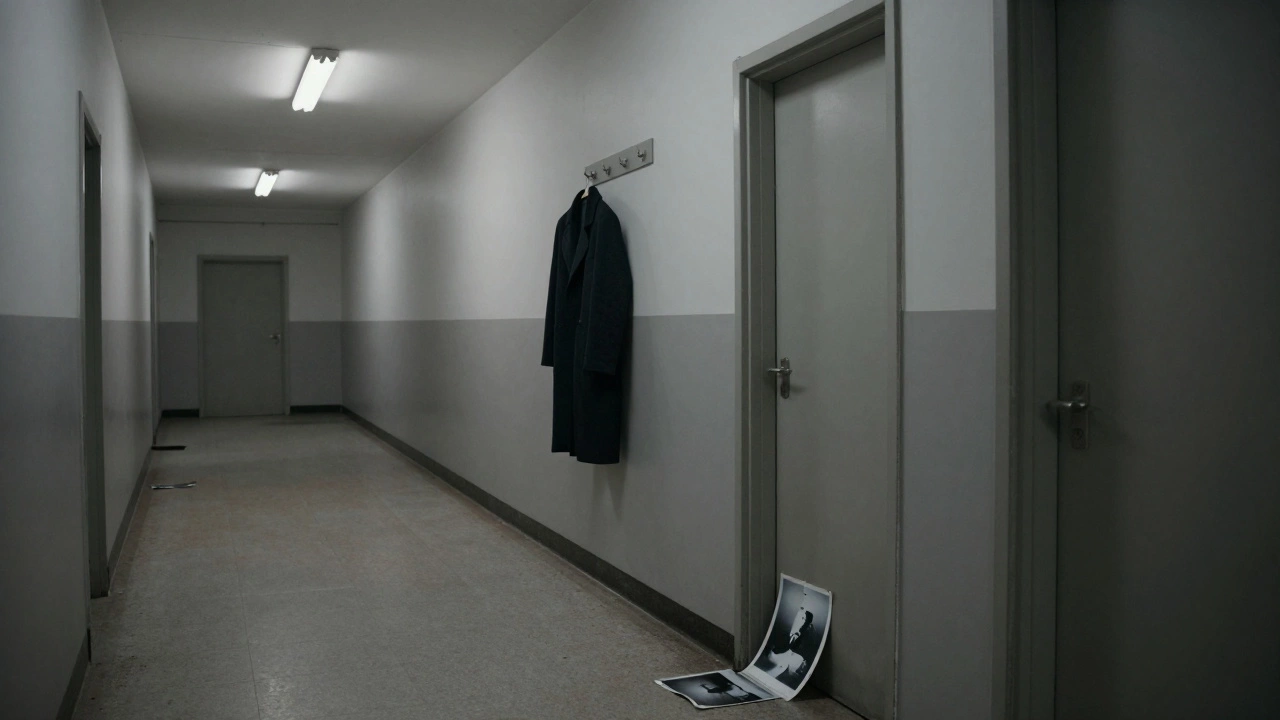
In a suspenseful thriller, the villain doesn’t always wear a black coat or laugh maniacally. Sometimes, the villain is the system. The corrupt cop. The trusted therapist with hidden motives. The government agency that says it’s protecting you - but is actually silencing you.
Consider The Girl on the Train by Paula Hawkins. The protagonist doesn’t chase a monster - she chases her own memories, her own lies, and the quiet, terrifying possibility that she might be the danger. The real horror isn’t a masked killer. It’s the realization that the person you thought you were isn’t real.
That’s why the best suspenseful thrillers blur the line between victim and perpetrator. You start rooting for someone, then catch yourself wondering - is this person the one who did it? Or are they the only one who can stop it?
How the Story Is Told Matters
Thrillers often use unreliable narrators. Not because they’re lying - but because they’re confused, traumatized, or hiding something even from themselves. The reader pieces together the truth from gaps, contradictions, and moments of silence.
Think of Gone Girl. The first half feels like a missing person story. The second half flips everything. The narrator isn’t just hiding the truth - the structure of the story hides it. You’re not just reading a book. You’re being manipulated, and you love it.
This technique works because it mirrors real life. We never have all the facts. We make assumptions. We misremember. A suspenseful thriller turns that into a weapon.
Why You Can’t Look Away
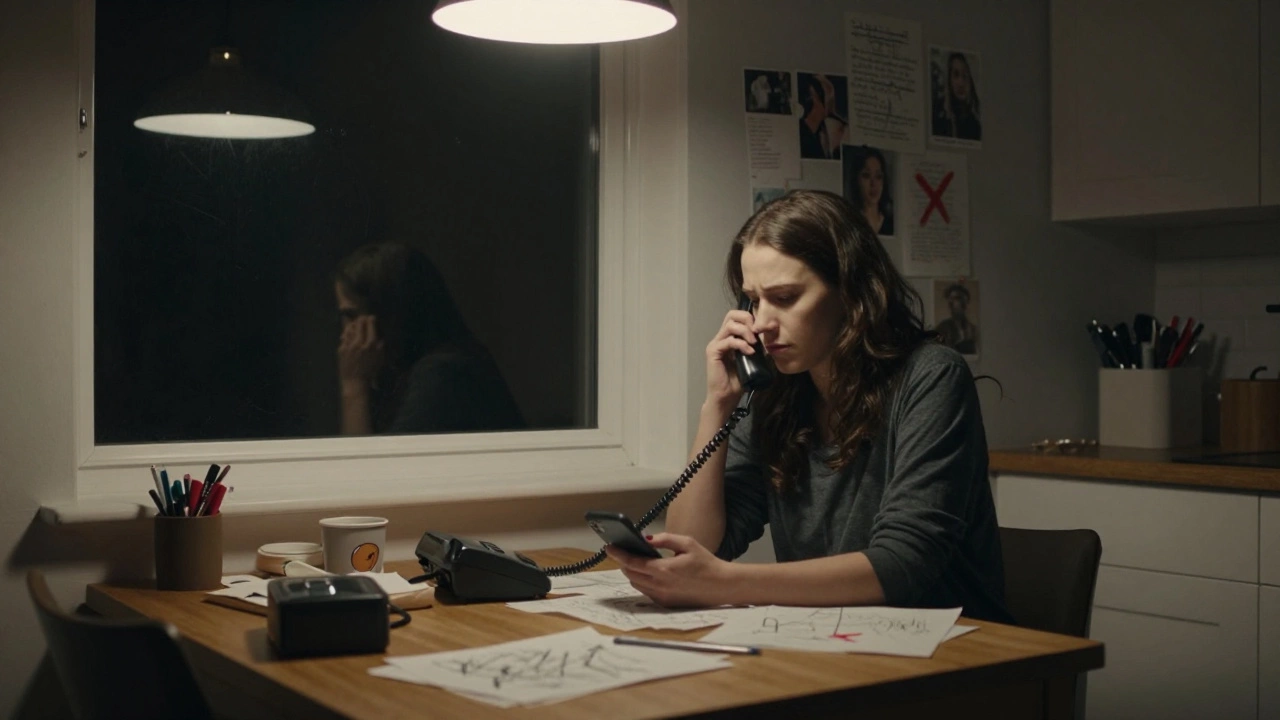
Suspense doesn’t come from jump scares. It comes from anticipation. It’s the moment before the phone rings. The knock on the door. The text message that says, "I know what you did."
Psychologists call this "anticipated threat." Your brain starts preparing for danger long before it happens. Your pulse rises. Your attention sharpens. You’re not watching a story - you’re in it.
That’s why the most effective suspenseful thrillers use pacing like a conductor uses a baton. Slow, quiet scenes build the dread. Then - a sudden shift. A scream. A slammed door. A name whispered in the dark. Then silence again. The pause after the scare is often more terrifying than the scare itself.
Real-World Examples That Define the Genre
Some stories don’t just fit the genre - they redefine it.
- The Silence of the Lambs - not about the monster, but about the hunt. Clarice Starling’s vulnerability makes every conversation feel like a trap.
- Prisoners - a father takes justice into his own hands. The thriller isn’t the kidnapping - it’s the moral collapse that follows.
- The Sixth Sense - the twist isn’t the ghost. It’s the realization that the hero has been dead the whole time. The suspense comes from what you didn’t see.
- The Girl with the Dragon Tattoo - the mystery isn’t solved by clues. It’s solved by obsession. The thriller lives in the hours spent digging through files, chasing ghosts.
These stories all share one thing: they make you feel like you’re one step behind. Not because you’re dumb - but because the story is designed to keep you guessing.
What Makes a Suspenseful Thriller Different From Other Genres?
It’s easy to confuse thrillers with horror or mystery.
Horror wants you to scream. Thrillers want you to hold your breath.
Mystery asks: "Who did it?" Thriller asks: "Can they stop it before it’s too late?"
A detective novel gives you clues. A suspenseful thriller hides them - or gives you too many, so you can’t tell which one matters. The payoff isn’t the solution. It’s the emotional cost of finding it.
That’s why a thriller can end with the villain still out there. The story isn’t over because justice wasn’t served. It’s over because the cost was too high.
How to Spot a True Suspenseful Thriller
If you’re trying to find one, look for these signs:
- The protagonist is out of their depth - not because they’re weak, but because the world is bigger than they thought.
- There’s a moment where the protagonist could walk away… but doesn’t.
- The villain isn’t just evil - they’re plausible. Maybe even sympathetic.
- The ending doesn’t tie everything neatly. It leaves a chill.
And here’s the real test: if you finish it and immediately want to read it again - not to find out what happens, but to see how it was done - you’ve found a masterpiece.
Why We Keep Coming Back
We don’t read suspenseful thrillers because we like being scared. We read them because they remind us how fragile control really is.
In a world full of noise and distraction, a great thriller gives you one thing: total focus. You’re not thinking about bills, work, or your next meeting. You’re thinking about who’s outside the door. Whether the call is real. Whether the person you love is lying.
That’s why the genre never dies. It’s not about the plot. It’s about the feeling. The slow, creeping dread that something is wrong - and you’re the only one who knows it.
What’s the difference between a thriller and a mystery?
A mystery asks "Who did it?" and focuses on solving a crime through clues. A thriller asks "Can they stop it before it’s too late?" and focuses on tension, urgency, and the emotional cost of survival. The mystery ends with the truth revealed. The thriller ends with the aftermath.
Can a suspenseful thriller have a happy ending?
Yes - but it’s rare and harder to pull off. Most thrillers end with a cost. Even if the hero survives, they’re changed. A "happy" ending in a thriller usually means survival with scars - not a perfect resolution. Think of characters who walk away but never truly feel safe again.
Why are unreliable narrators so common in thrillers?
Because suspense thrives on uncertainty. If the narrator is hiding something - whether they know it or not - the reader becomes an active participant. You start questioning everything. That’s the point. It mirrors how we experience real life: with gaps, biases, and blind spots.
Do all suspenseful thrillers need a twist?
No. A twist can be powerful, but it’s not required. Many of the most effective thrillers - like The Silence of the Lambs or Prisoners - have no big surprise. Their power comes from atmosphere, character, and relentless tension. The twist is a tool, not a rule.
Is a suspenseful thriller the same as a psychological thriller?
All psychological thrillers are suspenseful, but not all suspenseful thrillers are psychological. A psychological thriller digs into the mind - trauma, manipulation, identity. A general suspenseful thriller can be about physical danger, like a chase or a bomb. The psychological version just makes the danger internal.