What Is a Dark Psychological Thriller? Understanding the Genre's Haunting Appeal
 Feb, 13 2026
Dark Psychological Thriller Authenticity Checker
Genre Identification Tool
Answer these questions to assess if a book qualifies as a dark psychological thriller. Based on the article's key characteristics.
Analysis Results
Key Elements Identified:
A dark psychological thriller isn't just a story with a murder or a chase. It's a slow burn that digs into the cracks of the human mind - where guilt fester, sanity frays, and the line between hunter and hunted vanishes. You don't need a knife in the dark to feel terrified. Sometimes, all it takes is a whisper in an empty room, a glance that lingers too long, or a memory that refuses to stay buried.
It Starts With the Mind, Not the Crime
Most thrillers chase the external threat: the serial killer, the masked intruder, the ticking bomb. A dark psychological thriller flips that. The real danger isn't outside - it's inside the characters. The protagonist might be a grieving mother, a guilt-ridden detective, or a quiet neighbor who smiles too much. Their thoughts become the trap. The horror isn't in what they do, but in what they think - and whether they can tell the difference anymore.
Think of Sharp Objects by Gillian Flynn. It's not just about a serial killer in a small town. It's about how trauma twists memory, how silence becomes a weapon, and how a woman's past isn't just history - it's a living, breathing monster in her own skin. The crime matters, but the unraveling of the psyche? That's the engine.
What Makes It "Dark"?
"Dark" doesn't mean gore. It means emotional corrosion. These stories don't just scare you - they make you question your own boundaries. What would you do if you were pushed to the edge? Would you lie? Would you hide? Would you become the thing you feared?
Dark psychological thrillers often explore:
- Gaslighting that erodes identity
- Obsession disguised as love
- Repressed memories that rewrite reality
- Moral ambiguity where "right" and "wrong" blur into gray
- Isolation that turns the mind against itself
Take The Girl on the Train. The main character is an unreliable narrator - drunk, forgetful, and haunted by her own failures. The reader doesn't know who to trust because the narrator doesn't know either. That’s the dark heart of the genre: the terror of not being able to believe your own mind.
It’s Not Just About Twists - It’s About Truths
Many thrillers rely on plot twists. A dark psychological thriller uses them differently. A twist isn’t just a surprise - it’s a revelation that changes how you see everything that came before. It forces you to re-evaluate characters, motives, even your own assumptions.
In Mr. Mercedes by Stephen King, the villain isn’t just a killer - he’s a man who believes he’s the hero of his own story. The horror comes from realizing how easily someone can convince themselves they’re justified. That’s the quiet dread of this genre: the realization that evil doesn’t always wear a mask. Sometimes, it wears a suit, a smile, and a perfectly reasonable excuse.
Common Traits You’ll Find in Every Dark Psychological Thriller
These stories share a DNA. Look for these elements:
- Unreliable narrators - the person telling the story might be lying, delusional, or hiding something even from themselves
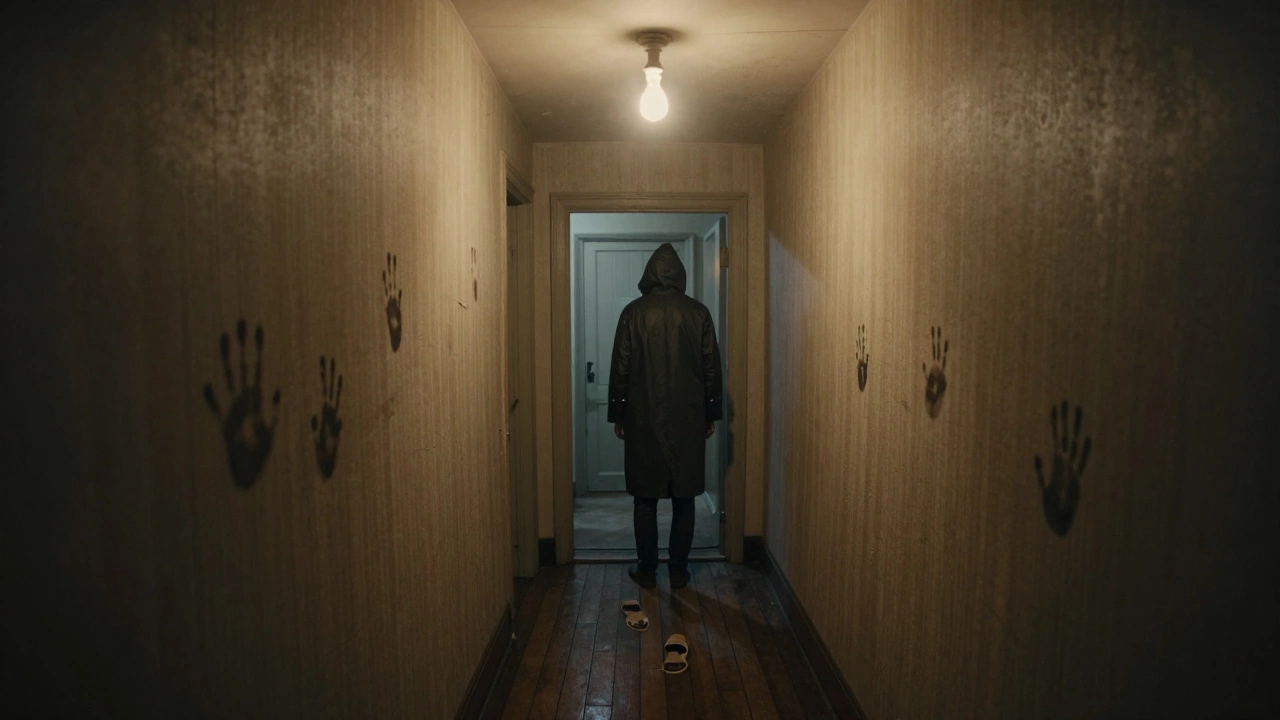
- Atmosphere over action - tension builds through silence, lighting, weather, and the weight of unspoken things
- Slow reveals - information comes in fragments, like puzzle pieces that don’t fit until the very end
- Psychological trauma as a driving force - past abuse, loss, or betrayal shapes present behavior
- No clear heroes - characters are flawed, broken, or morally compromised
These aren’t just tropes - they’re tools. They’re how the genre makes you feel trapped inside someone else’s broken head.
How It Differs From Regular Crime Thrillers
Regular crime thrillers focus on solving the mystery: Who did it? How? Can they be caught? A dark psychological thriller asks: Why did they do it? And what does that say about us?
Compare The Silence of the Lambs to Behind Her Eyes. One has a brilliant profiler hunting a cannibal. The other has a woman trapped in a love triangle - and a secret that rewrites her entire life. One is about catching a monster. The other is about realizing you might be living with one - and not knowing if you’re the victim or the monster.
Crime thrillers want justice. Dark psychological thrillers want to leave you unsettled - long after the last page.

Why We’re Drawn to Them
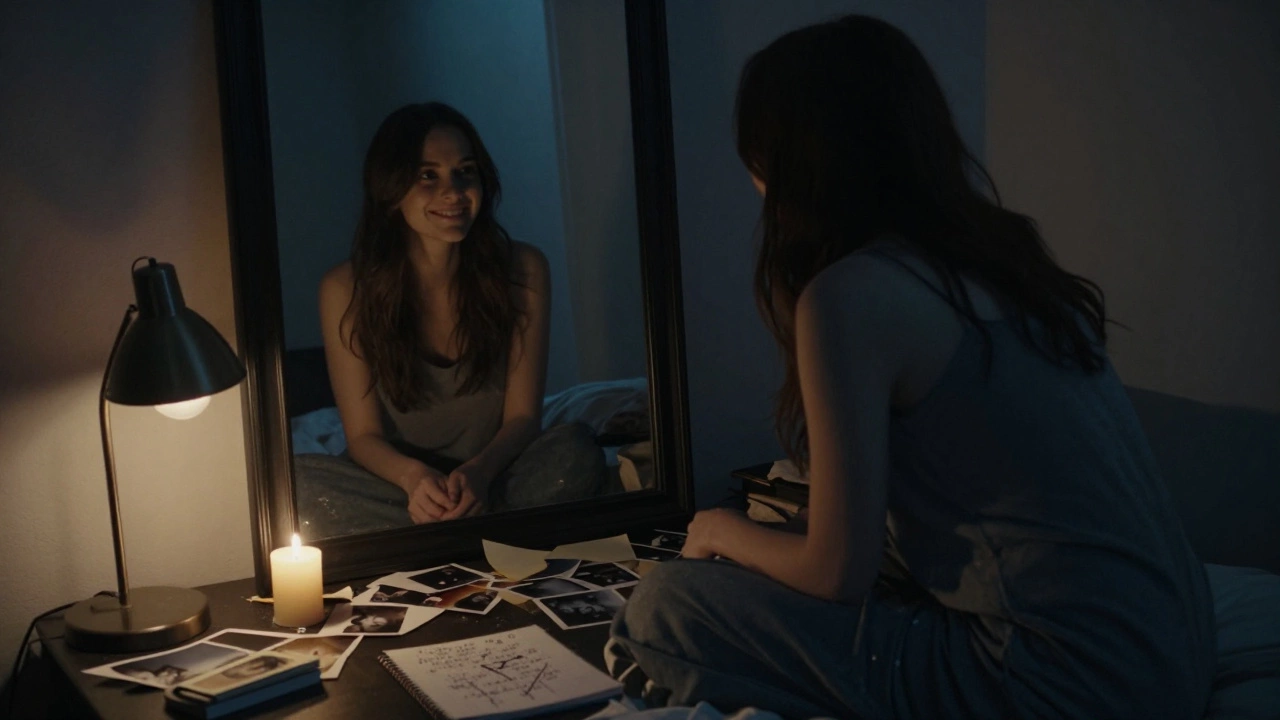
Why do people keep reading these stories? It’s not morbid curiosity. It’s the need to understand darkness - not to glorify it, but to survive it. These books act like mirrors. They show us the parts of ourselves we bury: the anger we deny, the secrets we keep, the thoughts we’re too ashamed to admit.
There’s comfort in seeing someone else unravel. It makes us feel less alone in our own quiet fears. And sometimes, it’s the only way to face the truth: that the scariest thing isn’t the killer. It’s the part of us that understands them.
Where to Start
If you’re new to the genre, here are three strong entry points:
- The Silent Patient by Alex Michaelides - A woman shoots her husband five times and never speaks again. A therapist takes on her case. What follows is a chilling exploration of trauma, silence, and control.
- The Woman in the Window by A.J. Finn - A reclusive woman watches her neighbors through her window. But when she witnesses a crime, no one believes her. Is she paranoid? Or is something far worse happening?
- Sharp Objects by Gillian Flynn - A journalist returns to her hometown to cover a murder - and confronts her own haunted past. Brutal, raw, and unforgettable.
These books don’t just entertain. They leave marks. They make you check your locks. They make you wonder who you really are when no one’s watching.
Is a dark psychological thriller the same as a horror novel?
No. Horror usually relies on supernatural elements, jump scares, or physical threats - monsters, ghosts, demons. A dark psychological thriller stays grounded in reality. The terror comes from the mind - manipulation, delusion, guilt, or trauma. There’s no monster under the bed. The monster is the voice in your head telling you you’re not safe - even when you are.
Do all dark psychological thrillers have unreliable narrators?
Not all, but most do. The unreliable narrator is a signature tool because it forces the reader to question everything. If the person telling the story can’t be trusted, then neither can the truth. Some stories use third-person narration but still create unreliability through distorted memories, gaslighting, or hidden agendas. The goal isn’t to trick you - it’s to make you feel how fragile certainty can be.
Can a dark psychological thriller have a happy ending?
Rarely - and even then, it’s bittersweet. These stories are about damage, not repair. A "happy" ending usually means survival, not healing. Maybe the protagonist escapes, but they’re forever changed. Maybe they uncover the truth, but it destroys what’s left of their life. The genre doesn’t promise closure. It promises truth - even when the truth hurts.
Are all dark psychological thrillers slow-paced?
Not always, but they’re usually deliberate. Pace isn’t about speed - it’s about tension. A scene might last three pages just to show a character staring at a door. That’s not boring - it’s building dread. The silence between heartbeats is where the fear lives. Some books do have fast-moving plots, but the emotional weight always lingers. You’ll finish the book, but the unease stays.
Why are these stories so popular right now?
Because modern life feels increasingly unstable. Social media, misinformation, isolation, and trauma are everywhere. People are more aware of mental health, gaslighting, and emotional manipulation. Dark psychological thrillers reflect that. They give shape to the anxiety we feel but can’t always name. They’re not just entertainment - they’re a mirror held up to the quiet chaos of being human.