The 5 Stages of Personality Development: From Infancy to Adulthood
 Jun, 5 2026
Erikson's Personality Development Quiz
Answer the following questions honestly to reflect on where you currently stand in your personal journey.
Developmental Stages
Click to learn moreInfancy
Trust vs. MistrustToddlerhood
Autonomy vs. ShamePreschool
Initiative vs. GuiltSchool Age
Industry vs. InferiorityAdolescence
Identity vs. ConfusionHave you ever wondered why you react the way you do when stressed? Or why certain habits feel impossible to break while others come naturally? The answer isn't just in your genes or your upbringing-it’s in the complex journey of personality development. We aren't born with a finished character. Instead, our sense of self is built layer by layer, stage by stage, from the moment we take our first breath until we reach the end of life.
Understanding these stages doesn't just satisfy curiosity; it gives you a map for your own growth. If you're struggling with trust issues, career confusion, or relationship struggles, knowing which developmental stage you're navigating can explain *why* those challenges exist and how to move past them. Let’s walk through the five major phases that shape who we are.
1. Building Trust: The Foundation (Infancy)
It starts long before you can speak. In the first year or two of life, the primary job is simple: learn whether the world is safe. This concept, often called "basic trust," comes down to one question: Can I rely on my caregivers?
If a baby cries and gets fed, if they’re held when scared, they develop a sense of security. They learn that needs lead to results. But if care is inconsistent-sometimes loving, sometimes neglectful-the child develops suspicion. This isn’t about being "bad" parents; it’s about consistency. When this stage goes well, the virtue gained is hope. You grow up believing that even when things go wrong, good outcomes are possible.
- Key Challenge: Trust vs. Mistrust
- Outcome of Success: A secure attachment style, optimism, and emotional resilience.
- Outcome of Failure: Anxiety, difficulty trusting partners later in life, and fear of abandonment.
Think about your closest relationships today. Do you assume people will show up for you, or do you brace yourself for letdowns? That instinct often traces back to these earliest months.
2. Gaining Control: Autonomy and Shame (Toddlerhood)
Once you start walking and talking, usually between ages 1 and 3, the focus shifts. Now, the big question is: Can I do things myself? Toddlers are famous for saying "no" and insisting on putting on their own shoes, even if it takes ten minutes. This isn’t defiance; it’s development.
This stage is about autonomy. Children need to explore boundaries. If parents support this exploration-allowing small failures and celebrating independence-the child gains a sense of willpower. They learn they have control over their actions. However, if every mistake is met with harsh criticism or if parents do everything for the child, shame and doubt creep in. The child begins to believe they are incompetent or that their desires are wrong.
Adults who struggled here might second-guess every decision or avoid taking initiative at work. They may feel an irrational fear of making mistakes because, deep down, they never fully internalized that autonomy is safe.
3. Taking Initiative: Purpose and Guilt (Preschool Years)
Ages 3 to 5 bring a new energy. Kids start planning games, leading pretend scenarios, and asking endless "why" questions. This is the stage of initiative. The child moves from "I can do it myself" to "I want to do something new."
When children are encouraged to ask questions and try new activities, they develop purpose. They learn to set goals and pursue them. But if their attempts are constantly shut down-with phrases like "don't bother me" or "you'll get hurt"-they begin to feel guilty for wanting to act. This guilt can stifle creativity and leadership skills later in life.
Notice how some adults hesitate to propose ideas in meetings, fearing rejection or judgment. That hesitation often stems from a preschool experience where their natural drive was discouraged rather than guided.
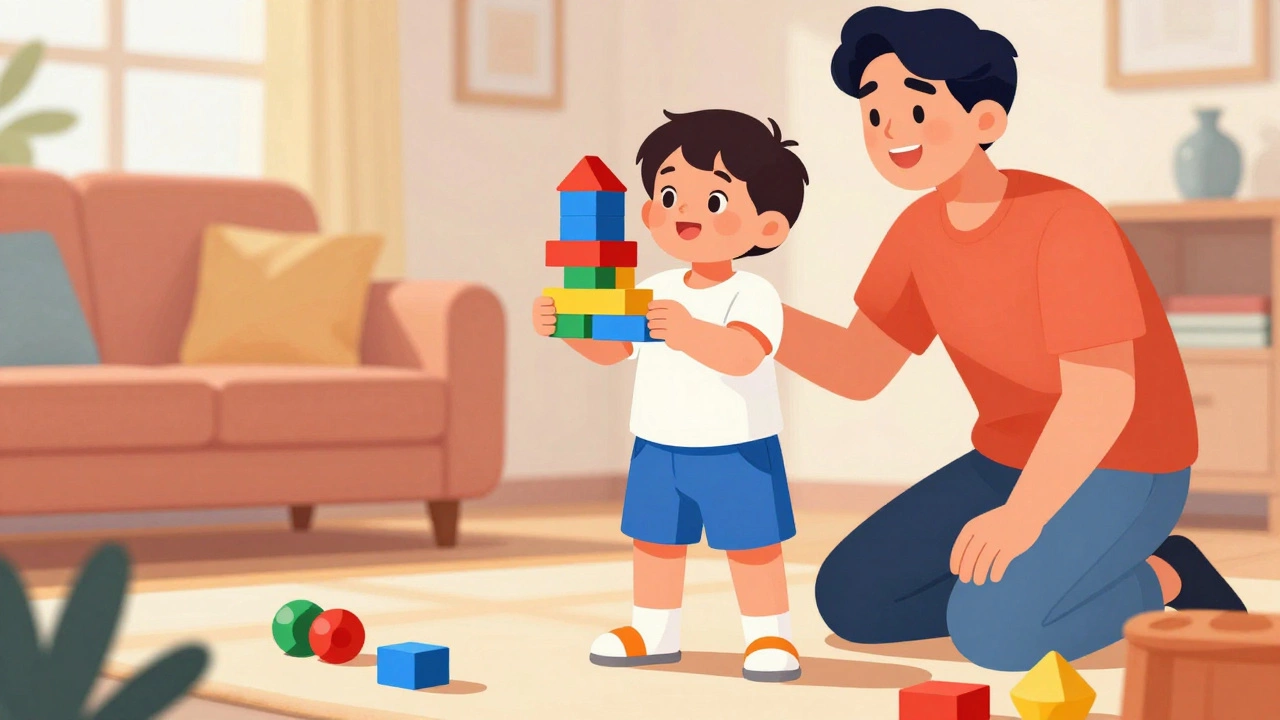
4. Competence: Industry vs. Inferiority (School Age)
From age 6 to 12, the world expands beyond the home. School becomes the main arena. Here, the focus is on industry-learning skills, completing tasks, and comparing oneself to peers. Children want to be good at things: math, soccer, drawing, reading.
Success in this stage builds a sense of competence. When teachers and parents praise effort and improvement, children learn that hard work pays off. They develop confidence in their abilities. But if they are constantly compared to others, criticized for poor performance, or labeled as "not smart," they develop feelings of inferiority. They may start avoiding challenges altogether to protect their ego.
| Scenario | Positive Outcome | Negative Outcome |
|---|---|---|
| Effort Praised | Growth mindset, resilience | - |
| Failure Criticized | - | Fear of failure, avoidance |
| Peer Comparison | Healthy competition | Inferiority complex |
This stage lays the groundwork for your professional life. How you view your own competence at 30 often reflects how you were treated at 10.
5. Finding Identity: Who Am I? (Adolescence)
Puberty hits, and so does the biggest crisis yet: identity. Between ages 12 and 18, teenagers experiment with different roles, beliefs, and appearances. They ask: Who am I? What do I believe? Where do I fit in?
This is not just a phase to endure; it’s a necessary process. Adolescents need space to explore without immediate judgment. If supported, they emerge with a strong sense of identity and fidelity-to themselves and their values. If pressured into conforming too early or rejected for exploring, they suffer role confusion. They may drift through life without clear goals or feel disconnected from their true selves.
Many adults in their 20s still grapple with this stage. Career changes, shifting political views, and evolving relationships are all part of refining identity. It’s okay if you don’t have it all figured out yet. Identity is fluid, especially now.

Beyond Youth: Intimacy, Generativity, and Integrity
Personality development doesn’t stop at 18. Erik Erikson, the psychologist whose theory forms the backbone of this model, identified three more adult stages:
- Young Adulthood (20-40): Intimacy vs. Isolation. Can I form deep, lasting relationships? Success leads to love and connection; failure leads to loneliness.
- Middle Adulthood (40-65): Generativity vs. Stagnation. Am I contributing to the next generation? Through parenting, mentoring, or creative work, we seek to leave a mark. Stagnation feels like being stuck.
- Late Adulthood (65+): Integrity vs. Despair. Looking back, do I feel my life was meaningful? Acceptance brings wisdom; regret brings despair.
These stages remind us that growth is lifelong. You can rebuild trust in your 30s. You can find purpose in your 50s. You can reconcile with your past in your 70s. Personality is not fixed; it’s flexible.
How to Use This Knowledge Today
You don’t need a psychology degree to apply this. Start by reflecting on which stage feels most unresolved for you right now. Are you struggling with trust in your partner? Look back at infancy themes. Feeling inadequate at work? Revisit school-age experiences. Want to deepen your relationships? Focus on intimacy.
Therapy, journaling, and honest conversations with friends can help reprocess old wounds. Remember, understanding the stages isn’t about blaming parents or circumstances. It’s about taking ownership of your narrative. You can rewrite the script.
Is personality development only determined by childhood?
No. While early years lay the foundation, personality continues to evolve throughout adulthood. Experiences in young adulthood, middle age, and late life significantly shape who you become. Neuroplasticity allows for change at any age.
What happens if I fail a developmental stage?
Failing a stage doesn’t mean you’re broken. It means you carry certain challenges forward. These can be addressed later through therapy, self-reflection, and supportive relationships. Many people successfully resolve earlier conflicts in adulthood.
How does Erikson's theory differ from Freud's?
Freud focused on sexual drives and stopped at adolescence. Erikson emphasized social and psychological factors and extended development across the entire lifespan, including old age. Erikson’s model is more holistic and less deterministic.
Can I change my personality type?
Core traits like introversion or extroversion are relatively stable, but behaviors, coping mechanisms, and self-perception can change significantly. Personal development focuses on optimizing your unique personality, not replacing it.
At what age does personality development stop?
It never truly stops. Even in late adulthood, people continue to reflect, adapt, and grow. The final stage, integrity vs. despair, involves evaluating one’s entire life story, which is a deeply developmental process.