The 3-3-3 Rule for Anxiety: A Practical Guide to Grounding
 Aug, 21 2026
3-3-3 Grounding Practice Tool
Have you ever felt your heart race and your thoughts spiral out of control? If so, you know that anxiety doesn't always come with a clear warning. Sometimes, it hits fast, leaving you feeling disconnected from reality. This is where the 3-3-3 rule comes in. It is a simple, evidence-based grounding technique designed to pull your mind back to the present moment when panic sets in.
Unlike complex meditation practices or long-term therapy sessions, this method requires no equipment, no prior experience, and only about two minutes of your time. It works by engaging your senses to interrupt the "fight or flight" response. Whether you are dealing with social anxiety before a meeting or a sudden wave of panic in a quiet room, this rule offers a structured way to regain stability.
Understanding the Core Mechanism
The 3-3-3 Rule is a cognitive behavioral strategy that uses sensory input to reduce acute anxiety symptoms. The logic behind it is straightforward. When we are anxious, our brains often focus on internal threats-what might go wrong, how others perceive us, or future uncertainties. By forcing your attention outward toward specific, observable facts, you shift your brain from emotional processing to logical observation.
This technique relies on the concept of Sensory Grounding, which anchors the individual in the physical environment to counteract dissociation or panic. It is not a cure for Generalized Anxiety Disorder (GAD), but rather a tool for symptom management. Think of it as a first-aid kit for your nervous system. It stops the bleeding so you can think clearly again.
Step-by-Step Execution of the Technique
You don't need to memorize a script. You just need to follow three distinct steps, each involving three actions. Here is exactly how to do it:
- Identify 3 Things You Can See: Look around you. Pick three objects that are actually there. They don't have to be special. A blue mug, a crack in the wall, a green leaf outside the window. Focus on their color, shape, and texture. Notice details you usually ignore. This step engages your visual cortex and slows down rapid breathing.
- Name 3 Sounds You Hear: Close your eyes if it helps, or keep them open. Listen actively. What sounds are present right now? Maybe it's the hum of a refrigerator, traffic outside, or your own breathing. Name them internally. This shifts your focus from visual to auditory processing, further anchoring you in the current moment.
- Move 3 Parts of Your Body: Finally, engage your proprioception (body awareness). Wiggle your fingers. Roll your shoulders. Flex your toes. Or take three slow, deep breaths. This physical movement releases tension stored in the muscles and signals to your brain that you are safe.
Most people complete this cycle in under two minutes. The key is consistency. If you start thinking about work while doing step one, gently bring your attention back to the object. Don't judge yourself. Just redirect.
Why This Works Better Than Deep Breathing Alone
Many people try to manage anxiety by simply taking deep breaths. While helpful, deep breathing alone can sometimes feel insufficient during high-intensity panic. Why? Because breathing is an automatic process. It’s easy to drift back into worrying thoughts even while inhaling.
The 3-3-3 rule adds a layer of Cognitive Load, which requires active mental engagement to count and identify specific stimuli. By counting to three, you occupy the part of your brain responsible for worry. It’s similar to solving a math problem when you’re nervous; it takes up bandwidth that would otherwise be used for catastrophic thinking.
| Technique | Time Required | Complexity | Best For |
|---|---|---|---|
| 3-3-3 Rule | 1-2 minutes | Low | Acute panic, public settings |
| Box Breathing | 4-5 minutes | Medium | Mild anxiety, pre-sleep |
| Cognitive Reframing | 10+ minutes | High | Chronic worry patterns |
| Progressive Muscle Relaxation | 10-15 minutes | Medium | Physical tension, insomnia |
Real-World Scenarios and Application
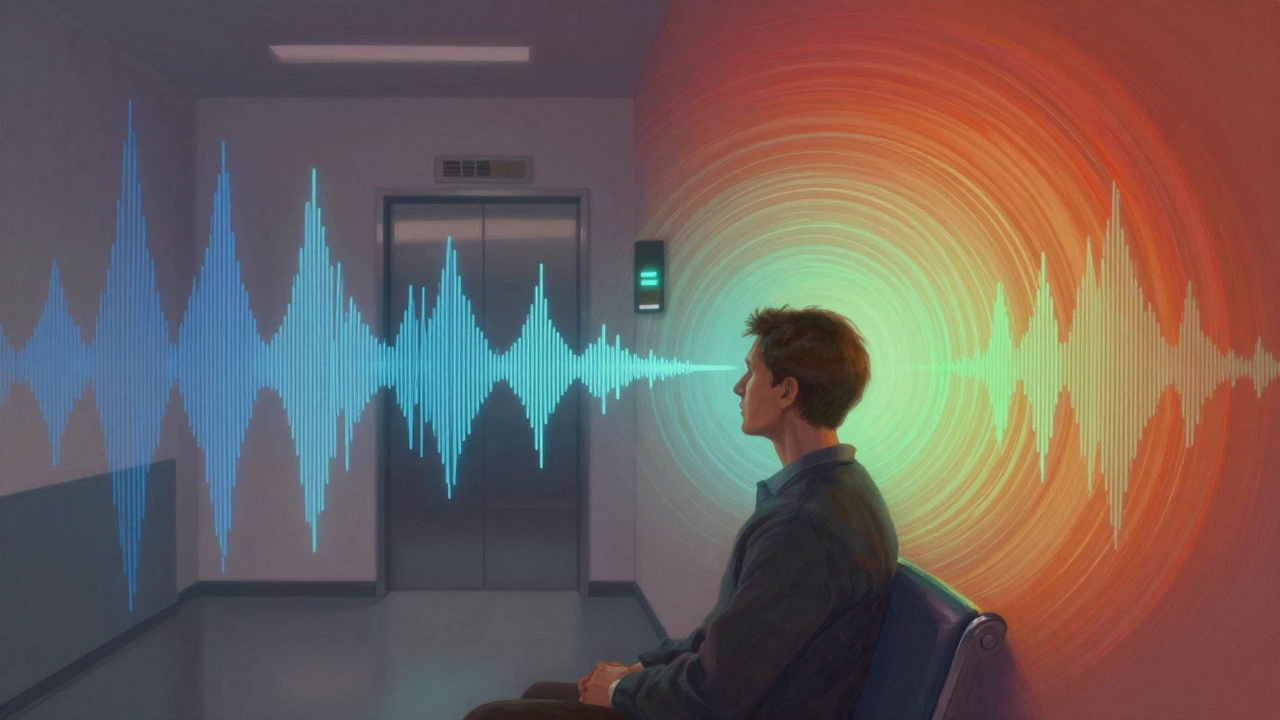
Let’s look at how this plays out in real life. Imagine you are waiting for a job interview. Your palms are sweaty, and your mind is racing through every possible rejection scenario. Instead of staring at the floor, you use the 3-3-3 rule.
- See: You notice the wooden frame of the door, the red fire extinguisher, and the pattern on the carpet.
- Hear: You hear the elevator ding, a distant phone ringing, and the air conditioning vent.
- Move: You tap your foot three times, stretch your neck, and take three conscious breaths.
Common Mistakes to Avoid
Even simple tools can be misused. Here are a few pitfalls that prevent the 3-3-3 rule from working effectively:
- Rushing the Count: If you say "one, two, three" too fast, your brain stays in panic mode. Slow down. Make each number deliberate.
- Choosing Complex Objects: Don’t try to describe a busy street scene. Pick simple, static objects. Complexity increases cognitive load unnecessarily.
- Forgetting the Body Step: Many people stop after seeing and hearing. The physical movement is crucial for releasing adrenaline. Always finish the sequence.
- Using It Only in Crisis: Practice this when you are calm. If you only use it when panicking, it may feel unfamiliar and harder to execute. Try it once a day during lunch breaks or before bed.
Consistency builds neural pathways. The more you practice, the faster the calming effect kicks in.

When to Seek Professional Help
The 3-3-3 rule is a powerful self-help tool, but it is not a replacement for professional care. If your anxiety interferes with daily functioning-such as missing work, avoiding social events, or experiencing sleep disturbances-it’s time to consult a healthcare provider. Cognitive Behavioral Therapy (CBT) is a proven therapeutic approach that addresses the root causes of anxiety disorders. CBT therapists often teach grounding techniques like the 3-3-3 rule as part of a broader treatment plan. Combining self-management strategies with professional guidance yields the best long-term outcomes.
Frequently Asked Questions
How long does it take for the 3-3-3 rule to work?
Most people feel a reduction in anxiety within 60 to 120 seconds. However, the full calming effect may take a few minutes as your nervous system settles. It is normal if the first attempt feels awkward; proficiency improves with practice.
Can I use the 3-3-3 rule while driving?
Yes, but with caution. Since the technique involves looking at objects and listening to sounds, it aligns well with driving tasks. However, avoid moving body parts that could distract you, such as adjusting the steering wheel aggressively. Focus on seeing dashboard elements and hearing road noise instead.
Is the 3-3-3 rule based on scientific evidence?
While there isn't a single landmark study titled "The 3-3-3 Rule," the technique is rooted in established psychological principles. Sensory grounding is a core component of Dialectical Behavior Therapy (DBT) and Cognitive Behavioral Therapy (CBT), both of which have extensive research supporting their efficacy in treating anxiety and PTSD.
What if I can't find three things to see?
This is rare unless you are in a very dark or empty space. If you struggle, expand your definition of "things." You can count textures, colors, or light sources. For example, "I see the shadow on the wall, the reflection in the glass, and the dust motes in the air." The goal is engagement, not perfection.
Does this work for children?
Yes, especially for older children who can count and articulate observations. For younger kids, simplify the language. Ask them to point to three red things, listen for three car horns, and jump three times. Making it a game can increase compliance and effectiveness.