Writing Style: What Makes a Story Stick and Who Uses It
When we talk about writing style, the unique way an author chooses words, structures sentences, and builds rhythm to convey meaning. Also known as narrative voice, it’s not just about grammar—it’s the fingerprint of a story. You can feel it in the quiet calm of a cozy fantasy novel, the sharp urgency of a YA coming-of-age tale, or the haunting silence between Sauron’s lines. Writing style doesn’t just tell you what happened—it makes you believe it happened.
It’s not something you learn from a textbook. You pick it up by reading. You notice how Colleen Hoover’s sentences feel like whispers in a crowded room, while James Patterson’s short, punchy lines feel like a heartbeat on fast-forward. It’s why two authors writing about the same adventure—one might make you feel like you’re climbing a mountain, the other like you’re watching it on TV. Writing style is what turns plot into feeling. It’s shaped by the literary fiction, a category of storytelling focused on character depth, emotional truth, and language precision tradition, but it’s also used heavily in fantasy, a genre defined by worlds where reality’s rules are broken and rebuilt. Even in self-help books, the style decides if you feel inspired or talked down to. A bad writing style can make even the best idea feel flat. A great one can make you reread a paragraph just to feel it again.
What you’ll find here isn’t a list of rules. It’s a look at how real writers use style to make readers feel something—whether it’s the warmth of a cozy fantasy town, the grit of a teenage hero’s journey, or the quiet dread of a villain who feels too real. You’ll see how Gen Z readers respond to emotional honesty in prose, how authors pace their sentences to keep you turning pages, and why some books stick with you long after the last line. This isn’t about being fancy. It’s about being clear, honest, and human. And that’s what makes a story unforgettable.
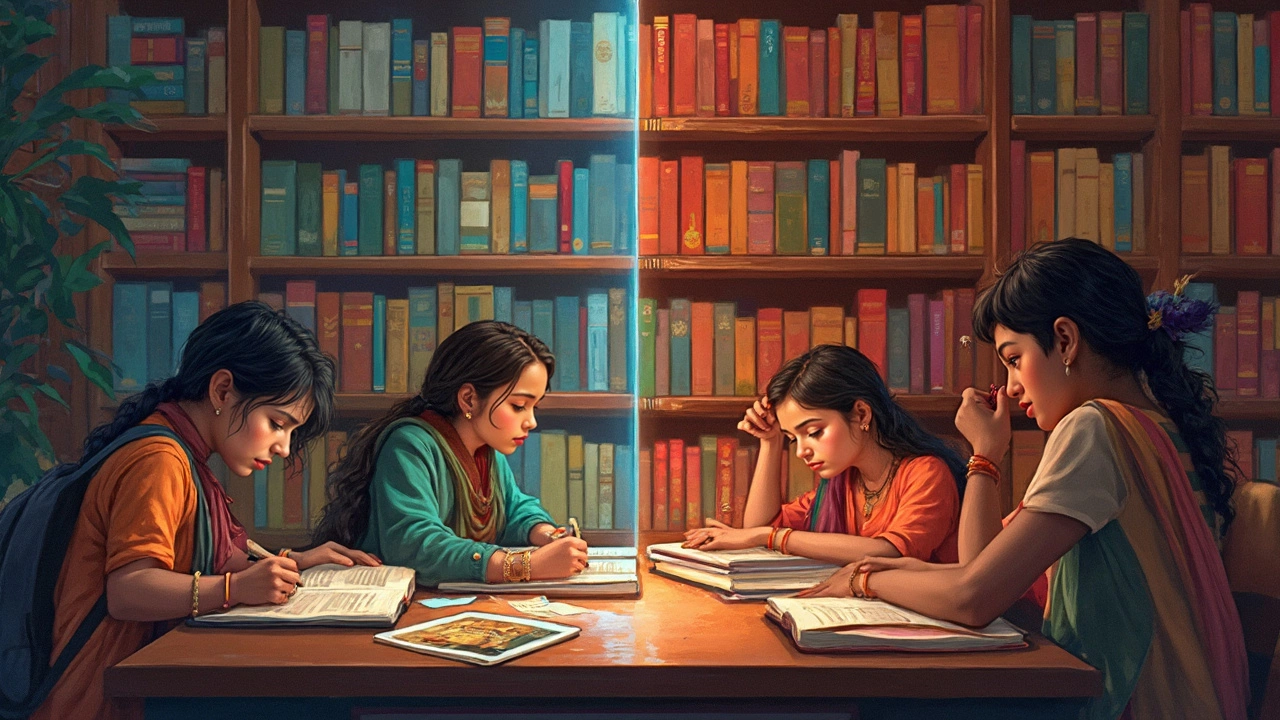
Nonfiction vs. Literary Fiction: What Really Sets Them Apart?
Curious about the real differences between nonfiction and literary fiction? This article breaks down how each works, what writers aim for, and why they matter to readers. Get clear insights into style, storytelling, and truthfulness in both genres. You'll learn actionable tips for telling facts or stories in a way that connects with people. Perfect for anyone who wants to look beyond the labels and really understand the craft.
Read More