William John Thoms: The Man Who Invented the Word 'Folklore'
When you think of fairy tales, ghost stories, or local legends passed down through generations, you’re engaging with folklore, the body of traditional beliefs, stories, and customs shared within a culture. Also known as popular tradition, it’s what happens when history isn’t written in books—it’s whispered, sung, and retold around fires and kitchen tables. But who gave this vast, messy, beautiful world of stories its name? That was William John Thoms, a 19th-century British writer and antiquarian who coined the term 'folklore' in 1846. He didn’t just label it—he made it matter. Before Thoms, people called these traditions 'popular antiquities' or 'popular literature,' terms that sounded dry and academic. He wanted something simpler, something that sounded like the people themselves. So he invented 'folklore'—a blend of 'folk' (the common people) and 'lore' (knowledge or tradition). It stuck.
Thoms wasn’t just a wordmaker. He was a collector. He wrote letters to newspapers asking readers to send him old songs, superstitions, and regional customs. He didn’t care if they were from London or a village in Cornwall—he wanted them all. His work laid the foundation for modern folklorist, someone who studies and documents traditional cultural expressions research. Today’s scholars who study why we tell ghost stories at campfires, or how nursery rhymes hide political secrets, are following the path he carved. He proved that what people say when they think no one’s listening—what they whisper to their kids, sing at weddings, or fear in the dark—is just as important as what historians record in official documents.
His influence runs through every story collection, every children’s book rooted in myth, every fantasy novel that borrows from ancient tales. The monsters in your favorite books? They likely came from folklore. The quiet magic in cozy fantasy? That’s folklore dressed in modern clothes. Even the way we talk about heroes and villains—like Sauron or Voldemort—borrows from patterns Thoms helped us recognize: recurring archetypes, shared fears, timeless symbols. He didn’t write the stories. He just gave us the lens to see them.
Below, you’ll find posts that explore the echoes of folklore in today’s stories—from the rise of adventure girls who carry ancient courage to the quiet magic of cozy fantasy that feels like a grandmother’s lullaby. You’ll see how folklore isn’t stuck in the past. It’s alive, reshaped by every generation that dares to tell it again.
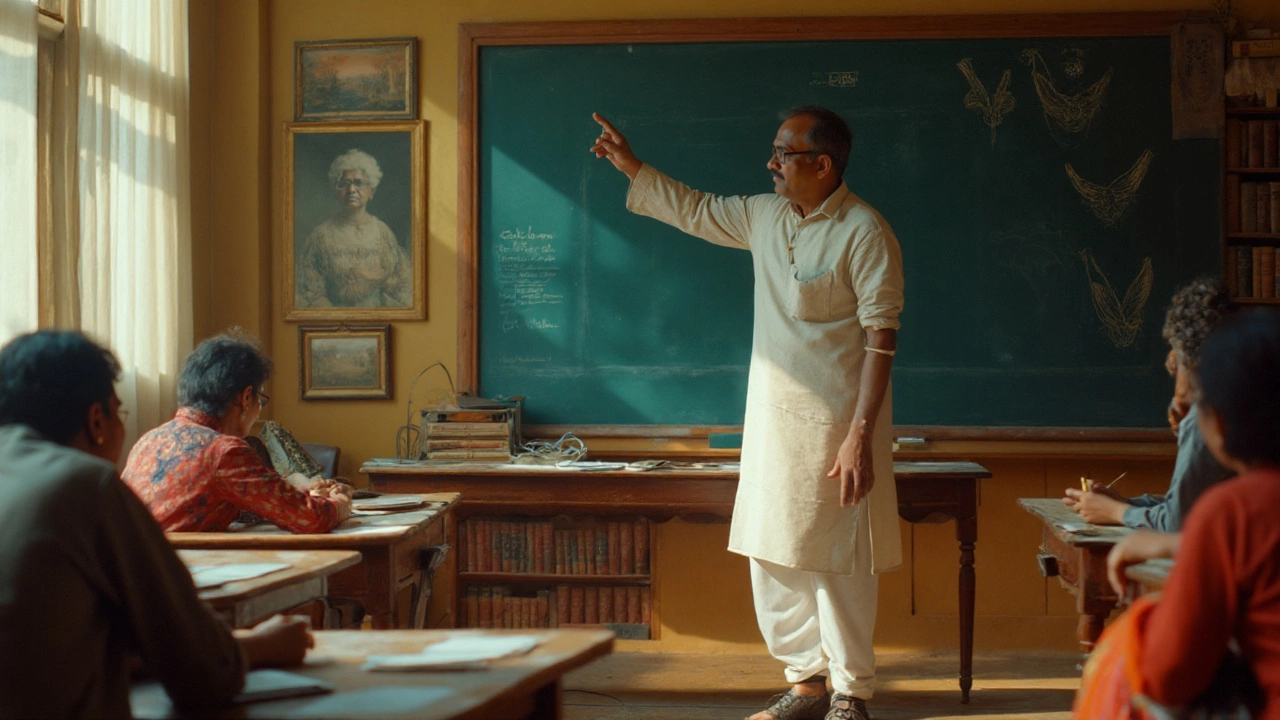
Who Is the Mother of Folklore? Charlotte Sophia Burne’s Legacy Explained
Quick, clear answer to who is called the mother of folklore, why it’s Charlotte Sophia Burne, and how to remember it for exams or quizzes-backed by credible sources.
Read More