School Curriculum: What Really Matters in How Kids Learn
When we talk about school curriculum, the official plan of what students are taught in school, including subjects, skills, and goals. Also known as education curriculum, it's supposed to prepare kids for life—but too often, it's stuck in a time warp. Think about it: most curriculums still treat memorizing dates or formulas as the main goal. But what if the real skill kids need is figuring out what to do when they don’t know the answer?
Real learning doesn’t happen because a textbook says so. It happens when kids connect ideas to their own lives. That’s why children's learning, how young people absorb knowledge, build habits, and develop curiosity over time can’t be forced into rigid lesson plans. Studies show that kids who ask questions, make mistakes, and talk through problems learn more deeply than those who just repeat answers. And yet, most classrooms still reward silence and speed over thinking and reflection.
The education system, the structure of schools, policies, and standards that govern how teaching happens often ignores this. It’s built on old assumptions: that every child learns the same way, at the same pace, and that success means scoring high on standardized tests. But we know better now. Some kids thrive with hands-on projects. Others need space to read deeply. A few learn best by teaching others. The best curriculums don’t just list topics—they adapt to how real people grow.
And it’s not just about subjects. It’s about what’s missing. Where’s the lesson on managing emotions? On spotting fake news? On starting a project from scratch? These aren’t extras—they’re essentials. The curriculum design, the process of planning what to teach, how to teach it, and how to measure learning needs to stop being a checklist and start being a living guide. The most effective ones are flexible, rooted in real-world problems, and let teachers respond to what their students actually need.
What you’ll find below aren’t just articles about books or reading. These are real conversations about what learning looks like when it actually works. From how teens build their identity through stories, to why some books stick with kids long after class ends, to how Gen Z is reshaping what education means—each post digs into the gap between what schools teach and what kids truly need to learn.
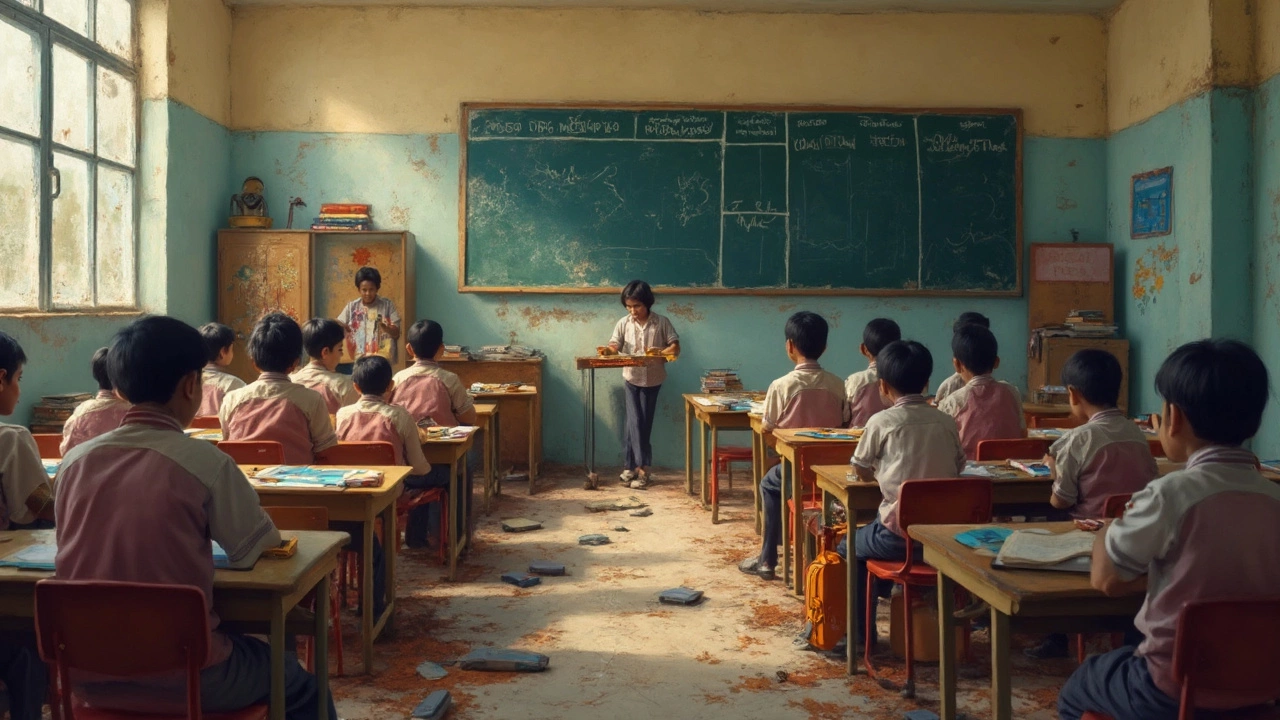
Why Are Schools Cutting Music: A Surprising Trend Uncovered
Schools around the world are increasingly cutting music programs despite evidence of their benefits for student development. This trend raises questions about budget priorities, educational policy, and the broader impact on creativity and learning. The decision isn't just about money; it's reshaping how we perceive essential skills in a fast-changing world. This article explores why music is being sidelined and what it means for future generations.
Read More