Reading Aloud Age: When to Start and Why It Matters
When you read aloud to a child, you're not just telling a story—you're building their brain. The reading aloud age, the stage when children benefit most from hearing stories spoken out loud. Also known as early literacy exposure, it begins long before they can read words on a page—and it’s one of the most powerful habits you can start today. Studies show kids who hear stories daily from infancy develop larger vocabularies, better attention spans, and stronger emotional understanding by the time they hit school. It’s not about memorizing words. It’s about connection, rhythm, and hearing language come alive.
There’s no magic cutoff. You can start reading aloud the day your baby is born. Newborns don’t understand the plot, but they recognize your voice, the rise and fall of your tone, the comfort of a routine. By six months, they’re tracking pictures. By two, they’re filling in words. By five, they’re retelling stories in their own words. That’s the power of consistent reading. It’s not a task—it’s a rhythm. And it doesn’t require fancy books or perfect pronunciation. Even a worn-out board book read with love does the job. What matters is the regularity, the closeness, the safety of that moment.
The children's reading development, how kids grow from listening to reading on their own doesn’t happen in a vacuum. It’s shaped by how often they’re read to, what kinds of stories they hear, and whether they’re encouraged to ask questions. Kids who grow up with reading aloud are more likely to enjoy books later, not because they were pushed, but because books felt like a warm space, not a chore. And it’s not just for toddlers. Even teens benefit from being read to—especially when it’s something they choose. Shared reading builds empathy, sparks conversation, and keeps the door open when they might otherwise shut it.
Don’t wait for them to "be ready." They’re ready now. The parent-child reading, the daily ritual of sharing stories between caregiver and child is one of the few things you can do that costs nothing, takes minutes, and changes everything. It builds confidence, teaches listening, and quietly prepares them for school, friendships, and even managing big feelings. You’re not teaching them to read—you’re teaching them that stories matter.
What you’ll find below are real stories from real families, research-backed tips, and honest takes on what works—and what doesn’t—when it comes to reading aloud at every stage. Whether you’re holding a baby for the first time or trying to get a 12-year-old to sit still, there’s something here that fits.
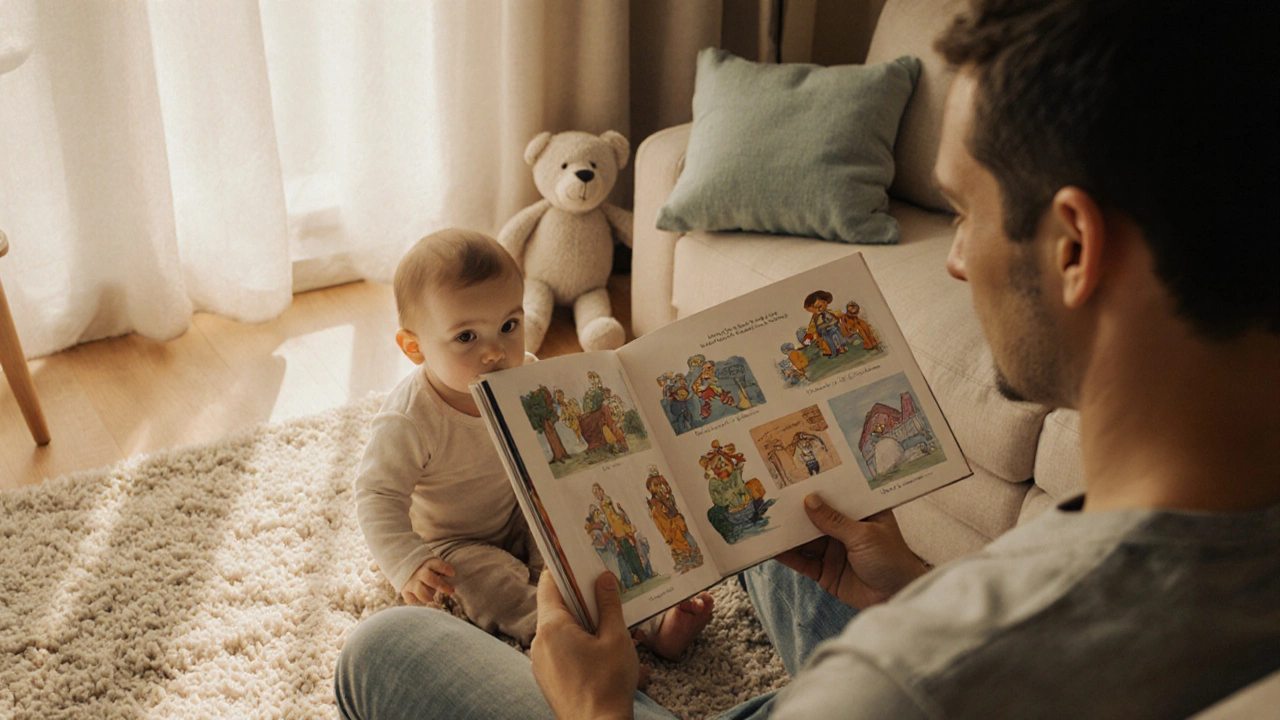
When to Stop Reading Aloud to Your Child: Age Guide
Explore the right age to stop reading aloud to your child, with developmental cues, transition tips, and a handy checklist for parents.
Read More