Mythology: Ancient Stories That Still Shape Our Worlds
When we talk about mythology, a collection of traditional stories that explain natural phenomena, human behavior, and the divine through gods, heroes, and supernatural forces. Also known as folklore, it’s not just history—it’s the blueprint for how we tell stories today. From the thunderous wrath of Zeus to the quiet wisdom of the Bhagavad Gita, mythology is the original fantasy genre. These aren’t just bedtime tales for ancient civilizations—they’re emotional maps that show us what humans feared, worshipped, and hoped for.
Mythology doesn’t live in museums. It lives in the dragons of fantasy novels, the chosen-one arcs of modern movies, and even the way we talk about fate or destiny. The Greek gods, a pantheon of powerful, flawed deities whose conflicts mirrored human emotions inspired everything from Marvel’s Thor to the structure of epic quests in books. Meanwhile, the religious myths, sacred narratives from the Bible, Quran, or Vedas that guide moral codes and cultural identity still shape how millions understand right and wrong—even if they don’t read the texts themselves. And let’s not forget the cultural legends, regional stories passed down through generations, like the Indian tales of Krishna or the Japanese yokai. These aren’t just regional curiosities—they’re the roots of today’s most compelling characters and worlds.
Why do these stories still matter? Because they answer questions science can’t. Why do bad things happen? Who are we, really? What happens after death? Mythology gives shape to the unanswerable. That’s why modern writers keep returning to it. Whether it’s a villain who fears death like Voldemort, or a quiet magic that heals a village like cozy fantasy, you’re seeing mythology’s DNA. The hero’s journey? That’s from Joseph Campbell studying ancient myths. The idea of a fallen god? That’s Loki, Satan, and Ravana all rolled into one. You don’t need to believe in these stories to feel them. And you don’t need to be an academic to get why they stick.
Below, you’ll find posts that dig into how mythology shows up in today’s books—from why people stopped believing in Greek gods to how fantasy villains borrow their soul from ancient demons. These aren’t dry retellings. They’re real conversations about why these stories still haunt us, inspire us, and keep getting rewritten.
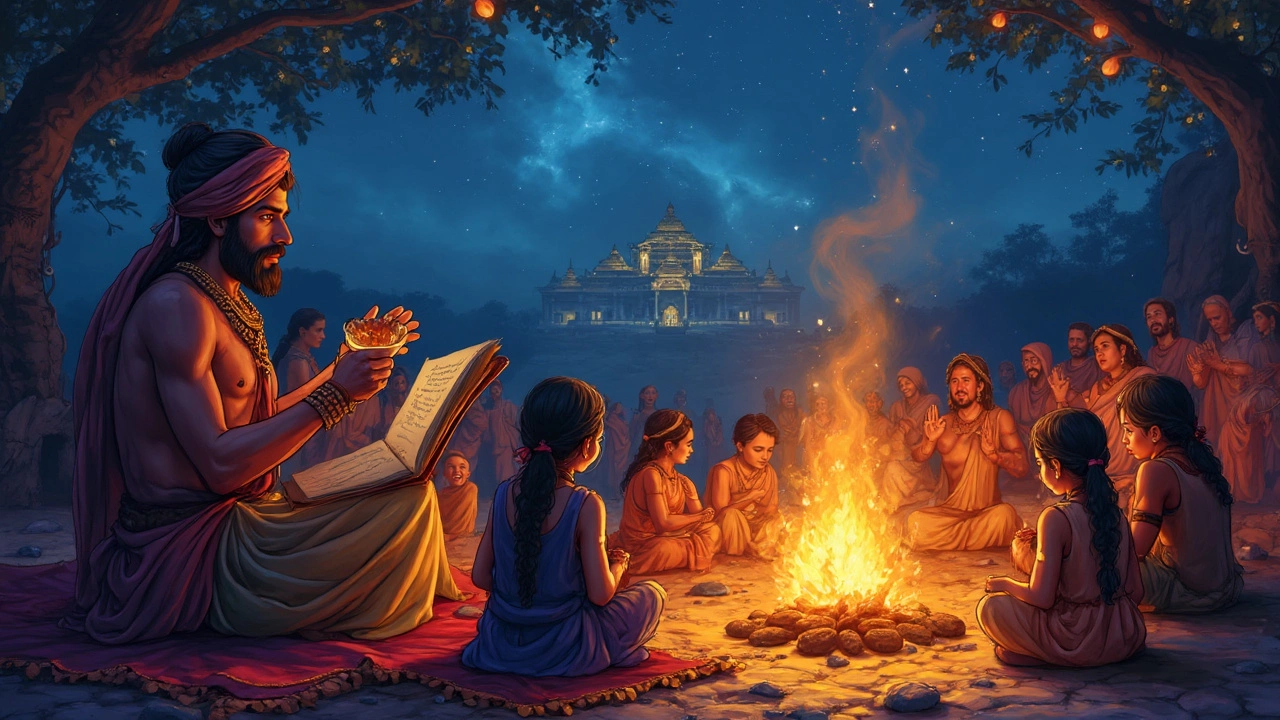
Mythology Genre Explained: What Makes Mythological Fiction Stand Out?
Mythology as a genre blends the ancient with the imaginative, bridging timeless stories and modern creativity. This article unpacks what makes mythological fiction tick, what sets it apart from other genres, and why it still attracts so many fans today. You’ll discover how classic myths are reworked for new audiences and what makes a good myth-inspired story. Plus, there are some tips if you’re thinking about writing or reading in the genre. Dive in and see how mythology shapes the heart of some of your favorite stories.
Read More
What Major Does Mythology Fall Under? Your Guide to Studying Legends
Wondering where to study ancient myths in college? This article breaks down which majors focus on mythology, shares examples of programs, and offers advice for future students. You'll also get fun facts and useful tips for connecting your love of stories to real degrees. Discover your path to learning about gods, monsters, and epic tales.
Read More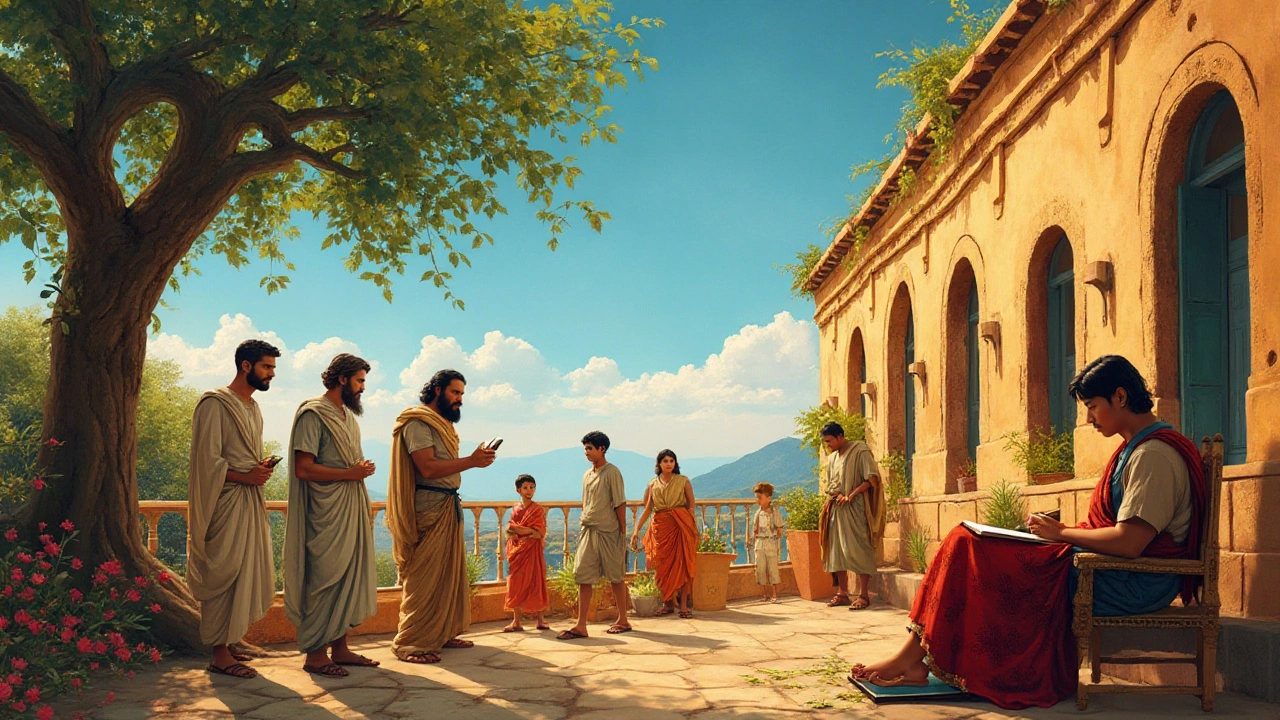
Exploring Muthos: The Heart of Mythological Fiction
Muthos, a term that resonates deeply in the realm of mythological fiction, embodies the essence of storytelling and narrative tradition. With roots tracing back to ancient Greek literature, muthos goes beyond mere myth; it is the fabric of cultural tales and legends. This article delves into the significance of muthos, its influence on storytelling throughout history, and its impact on contemporary fiction. Understanding muthos allows us to appreciate the timeless narratives that have shaped human consciousness.
Read More