Music Education: What It Really Means and Why It Matters
When we talk about music education, the structured process of learning musical skills, theory, and expression through teaching and practice. Also known as musical training, it’s not just about playing notes—it’s about building focus, emotional awareness, and discipline through sound. Most people think it’s only for kids in school bands or future professionals. But real music education happens when someone learns to listen deeply, when they feel rhythm in their chest, or when they finally understand why a chord progression makes them cry.
It’s not just about the piano or guitar. music theory, the rules and patterns that explain how music works, from scales to harmony helps you see the structure behind your favorite songs. musical development, the gradual growth of listening, performing, and creating skills over time doesn’t need a degree—it needs curiosity. A 12-year-old learning to hum a melody by ear is doing the same kind of work as a college student analyzing Beethoven. Both are training their brains to recognize patterns, predict changes, and respond emotionally.
And it’s not just about the individual. Studies show kids who get consistent music education perform better in math and reading—not because music is math, but because both require pattern recognition and sustained attention. Adults who pick up an instrument later in life report lower stress and sharper memory. Music education doesn’t make you a musician—it makes you more present, more patient, and more aware of the world around you.
You’ll find posts here that dig into how music shapes personality, why some people learn faster than others, and what really happens when a child first plays a tune on their own. Some pieces talk about the quiet power of singing to a baby. Others look at why so many adults quit music after school—and how to get back into it. There’s no one right way to learn. Whether you’re holding a violin for the first time or just starting to notice how a song makes you feel, this collection is for you.
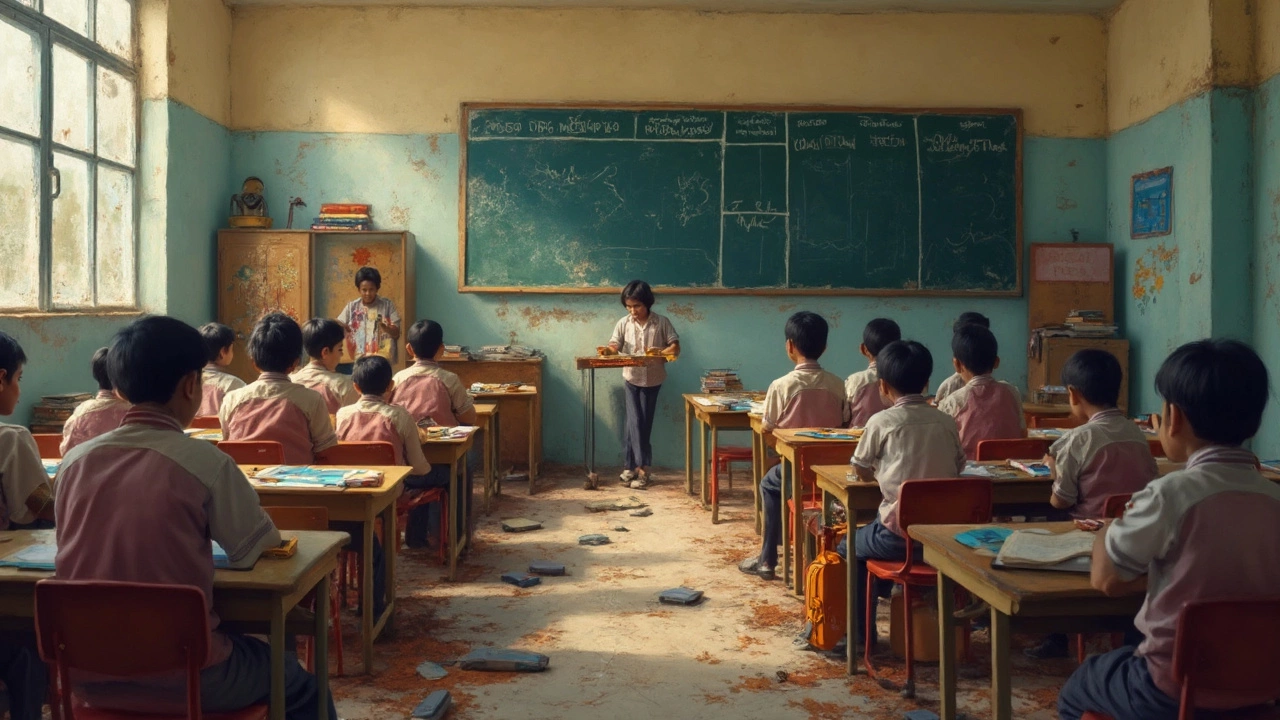
Why Are Schools Cutting Music: A Surprising Trend Uncovered
Schools around the world are increasingly cutting music programs despite evidence of their benefits for student development. This trend raises questions about budget priorities, educational policy, and the broader impact on creativity and learning. The decision isn't just about money; it's reshaping how we perceive essential skills in a fast-changing world. This article explores why music is being sidelined and what it means for future generations.
Read More