Literacy: What It Really Means and Why It Changes Everything
When we talk about literacy, the ability to read, understand, and use written language to navigate the world. Also known as reading proficiency, it’s not just a school skill—it’s the foundation for everything from making smart choices to building confidence. You don’t become literate by memorizing words. You become literate by connecting them to your life—by seeing yourself in a story, asking why a character made a choice, or realizing a book changed how you see your own struggles.
Literacy doesn’t stop at the last page. It shows up in how a 20-year-old picks their next book, how a parent decides when to stop reading aloud to their child, or how someone picks up a self-help book hoping it’ll help them finally change. It’s tied to reading habits, the daily routines and choices that determine how often and why people read, and it’s shaped by child literacy development, the process through which young minds learn to decode text, find meaning, and fall in love with stories. These aren’t abstract ideas. They’re real. Studies show kids who are read to regularly don’t just score better on tests—they develop empathy, focus, and curiosity that last a lifetime.
Literacy also doesn’t care about genre. Whether it’s a cozy fantasy novel that feels like a warm blanket or a gritty crime thriller that keeps you up at night, if it makes you think, feel, or wonder, it’s working. That’s why the same person who reads 100 books a year might also be the one who questions whether self-help books actually help—or if real change comes from something simpler: showing up, day after day. Literacy isn’t about how many books you finish. It’s about how much you let them change you.
Below, you’ll find real stories from readers, parents, writers, and thinkers who’ve seen literacy in action—not as a test score, but as a turning point. Some are about kids learning to read. Others are about adults rediscovering why they loved books in the first place. No fluff. No theory. Just what happens when words meet life.
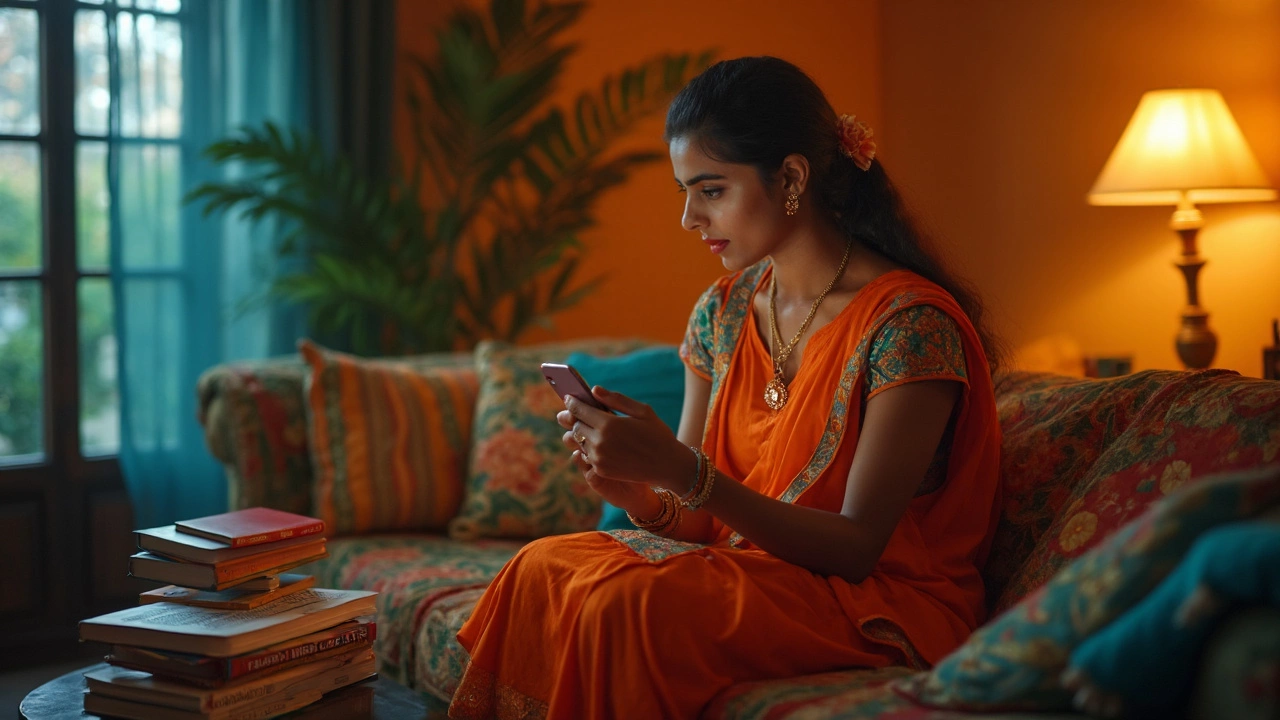
Reading Trends: Why Is Reading Losing Popularity?
Reading used to be a main way people entertained themselves and learned new things, but it’s taking a hit in popularity. From social media and streaming videos to shorter attention spans, many factors are changing the way we read. This article digs into why people are choosing screens over books and offers practical tips for making reading appealing again. Get ready to see the surprising ways technology, culture, and daily habits connect to this shift. See what you can do to keep reading in your routine.
Read More