Juvenile Fiction: What It Is and Why It Shapes Young Readers
When we talk about juvenile fiction, a category of literature written for children and young teens, typically aged 8 to 18. Also known as children's and young adult literature, it’s the space where kids first meet characters who feel like friends, face challenges that mirror their own, and learn that being brave doesn’t mean being fearless. This isn’t just bedtime stories or school assignments—it’s where identity starts to form. From the quiet courage of a girl navigating a new school to the wild quest of a teen uncovering hidden magic, juvenile fiction gives young readers tools to understand themselves and the world around them.
It’s closely tied to young adult literature, stories centered on protagonists aged 13 to 18, dealing with emotional growth, identity, and independence. Also known as YA fiction, it often overlaps with juvenile fiction, especially as readers grow older and crave deeper themes. These books don’t talk down to teens—they speak to them. Think of protagonists who don’t wait to be saved, who make messy choices, and who learn from their mistakes. That’s the heart of it. And it’s not just about dragons or school dances. It’s about loneliness, friendship, loss, and finding your voice. The best stories in this space don’t preach—they reflect. They show kids they’re not alone in feeling out of place, confused, or hopeful.
Underneath all of it lies coming-of-age stories, narratives focused on the transition from childhood to adulthood, marked by personal growth and emotional transformation. Also known as bildungsroman, this is the backbone of most powerful juvenile fiction. Whether it’s a girl learning to stand up to bullies, a boy discovering his family’s secrets, or a teen choosing between loyalty and truth—these stories stick because they’re real. They don’t need magic spells to feel epic. Sometimes, the bravest thing a character does is say sorry, or ask for help, or keep going when everything feels broken.
What you’ll find below isn’t a random list. These are the stories that define the genre—the ones that make kids cry, cheer, and finally feel seen. You’ll see how adventure girls fight their own battles, how fantasy worlds teach real lessons, and why reading 100 books a year isn’t about speed—it’s about connection. These posts don’t just talk about books. They talk about the people who read them.
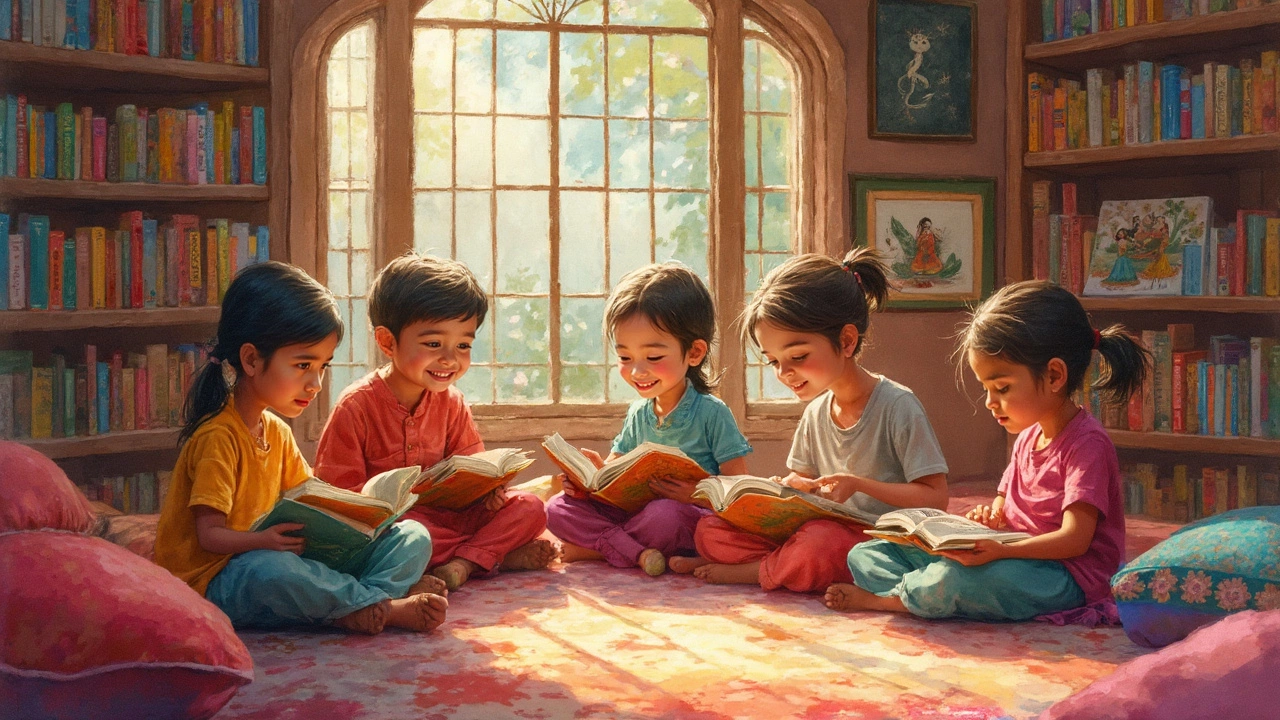
Young Adult vs. Juvenile Fiction: What's the Real Difference?
Young adult and juvenile fiction may seem similar, but they cater to distinct age groups and carry different themes. Young adult fiction usually targets readers aged 12-18, tackling mature themes and complex characters, while juvenile fiction is geared towards children between 8-12 years and focuses on simpler plots. Both genres play a crucial role in developing a young reader's interest in literature. Understanding the differences can help parents, educators, and budding writers choose the right books.
Read More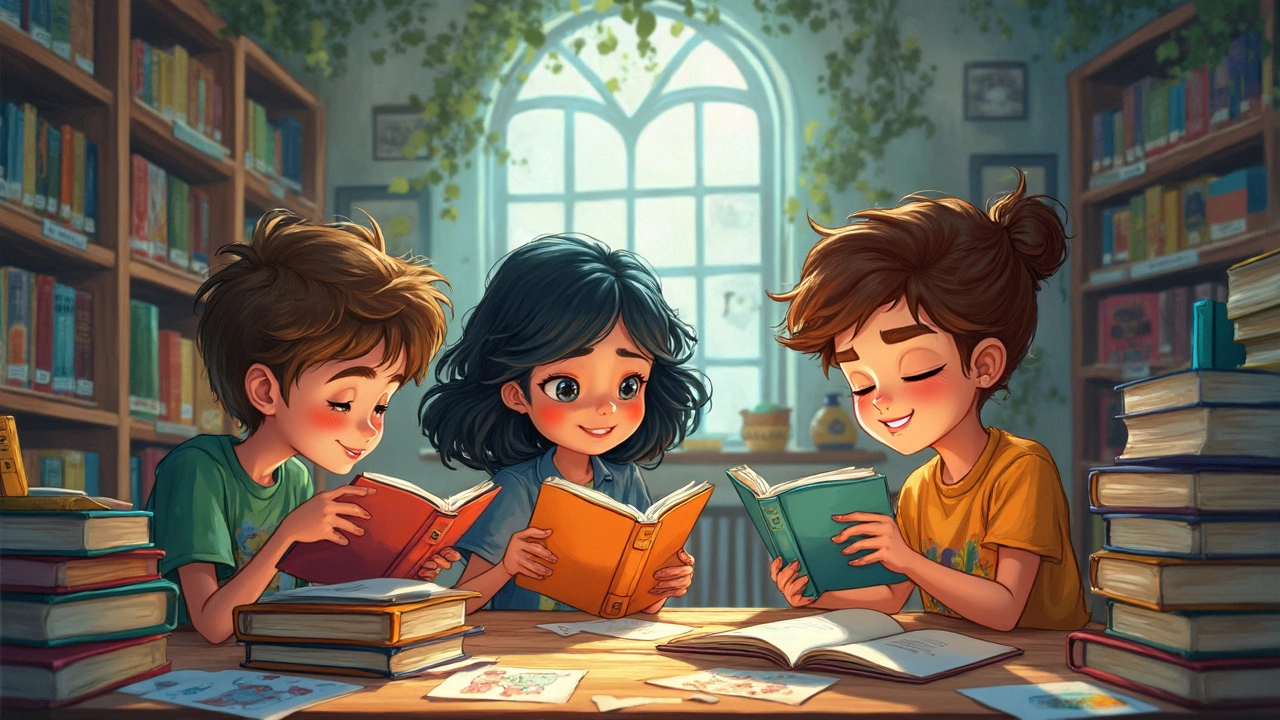
Discovering the Difference: Juvenile Fiction vs YA
Ever wondered what makes Juvenile Fiction and Young Adult Fiction distinct? Though they both cater to younger audiences, these genres are targeted at different age groups and offer unique themes and complexities. This article will help you understand their differences, explore examples, and provide tips for choosing the right book for the right reader. Dive in to gain clarity on these literary categories.
Read More