Historical Novel: Stories That Bring the Past to Life
A historical novel, a genre that weaves real historical events with fictional characters and narratives. Also known as historical fiction, it’s not just about costumes and old-timey language—it’s about making the past feel alive, personal, and urgent. Think of it as time travel you can hold in your hands. You’re not just reading about the French Revolution or the Mughal Empire—you’re walking beside someone who lived through it, felt its fear, its hope, its betrayal.
What sets a great historical novel apart isn’t how many facts it includes, but how deeply it understands human nature across time. The best ones don’t just tell you what happened—they show you why it mattered to the people who lived it. A period drama, a narrative style often used in historical novels to immerse readers in a specific era’s social rules and daily rhythms might focus on a widow’s quiet rebellion in 18th-century Bengal, or a soldier’s letter home during the 1857 uprising. These aren’t just backdrops—they’re characters themselves. The setting shapes choices, limits freedom, and forces moral decisions that still echo today.
And here’s the thing: historical novels don’t need to be about kings and battles. Some of the most powerful ones center on ordinary people—textile workers, midwives, schoolteachers—whose lives were swept up in bigger events. They answer questions we rarely ask: What did hunger feel like in 1943 Bengal? How did a young girl in colonial Delhi learn to read when it was forbidden? These stories stick with you because they’re human first, history second.
You’ll find here a mix of deep dives into famous books, explorations of forgotten voices, and sharp takes on what makes a historical story feel real. Some posts examine how authors research their settings. Others challenge myths we’ve accepted as truth. There’s no fluff—just clear, honest conversations about what works, what doesn’t, and why these stories still matter in a world that’s always rushing forward.
Whether you’re drawn to the grit of war-torn cities or the quiet tension of domestic life in another century, this collection gives you the tools to see beyond the surface. You’ll learn how to spot a shallow historical tale versus one that truly transports you. And you’ll find books that don’t just teach you about the past—they change how you see the present.
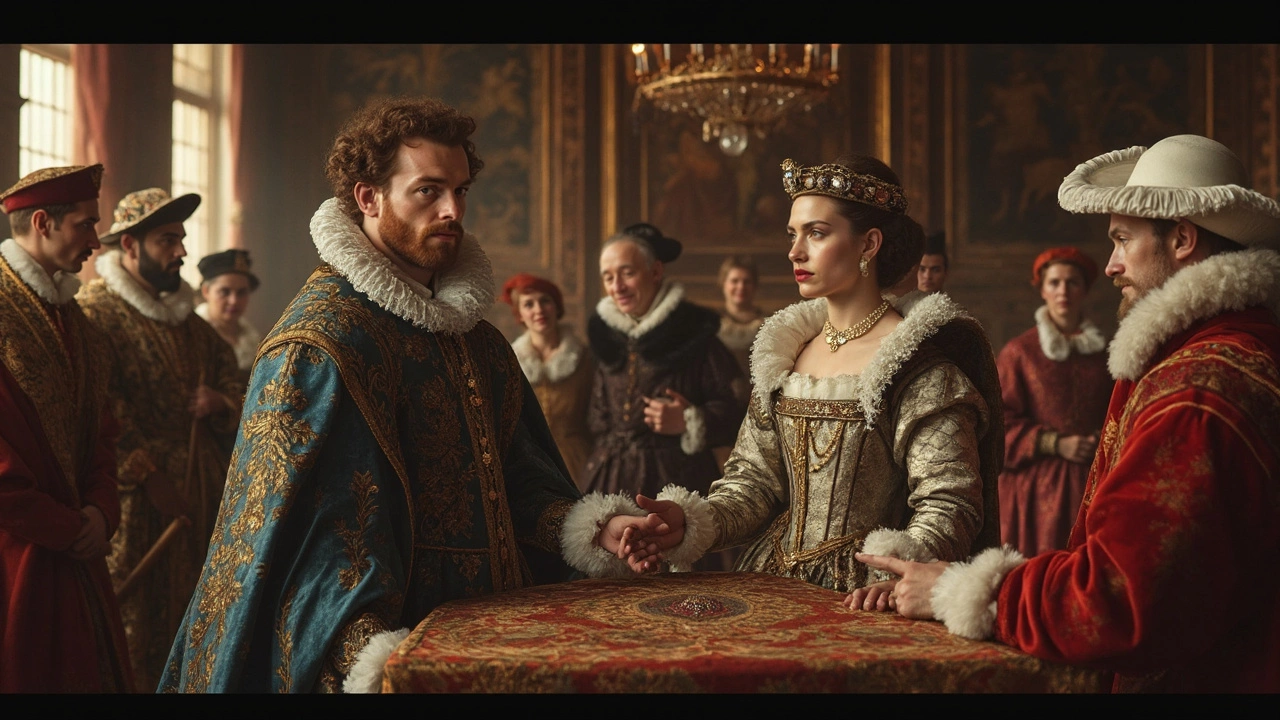
Exploring the World of Historical Novels: A Deep Dive into 'Wolf Hall'
A historical novel transports readers to the past, blending fiction with real events. 'Wolf Hall' by Hilary Mantel is a stellar example. This novel offers a vivid portrayal of the political intrigue during the reign of Henry VIII through the eyes of Thomas Cromwell. Readers get an immersive experience of the period, characters, and court dynamics, making it a masterpiece in historical fiction.
Read More