Historical Fiction: Stories That Bring the Past to Life
When you read historical fiction, a genre that weaves imagined stories into real historical settings and events. It's not just about kings and battles—it's about the quiet moments, the hidden fears, the everyday people caught in the tide of history. Unlike textbooks that list dates and treaties, historical fiction lets you walk beside someone who lived through the Black Death, the American Civil War, or the Partition of India. You don't just learn what happened—you feel how it felt.
This genre relies on real historical events, actual moments that shaped nations, cultures, and lives as its backbone. But it’s the fictional characters, people who never existed but could have who make the past breathe. A seamstress in 18th-century Paris, a soldier writing letters home during the Boxer Rebellion, a child fleeing a burning village—these aren’t just plot devices. They’re bridges between now and then. The best historical fiction doesn’t rewrite history—it reveals its human heartbeat.
What makes this genre powerful is how it mixes truth with imagination. You might read about a real battle, but the soldier’s last thought before he dies? That’s the author’s gift to you. The dialogue, the meals, the whispers in the dark—all of it is built on research, but delivered like a dream. And that’s why people keep coming back. Not because they want to memorize dates, but because they want to understand what it meant to be alive in another time.
Some stories use history as a backdrop. Others make it the main character. Either way, the best ones don’t flinch from the ugly parts—the cruelty, the injustice, the silence. They don’t romanticize war or turn villains into heroes. They show how ordinary people survived, resisted, or adapted. And that’s why you’ll find these stories in your library, your book club, your phone’s reading app. They’re not just entertainment. They’re memory keepers.
Below, you’ll find posts that dig into what makes these stories work—what separates a good historical novel from a great one, how authors balance fact and fiction, and why readers keep returning to times long gone. Whether you’re drawn to war-torn empires, forgotten revolutions, or quiet lives shaped by big events, there’s something here that’ll pull you in.
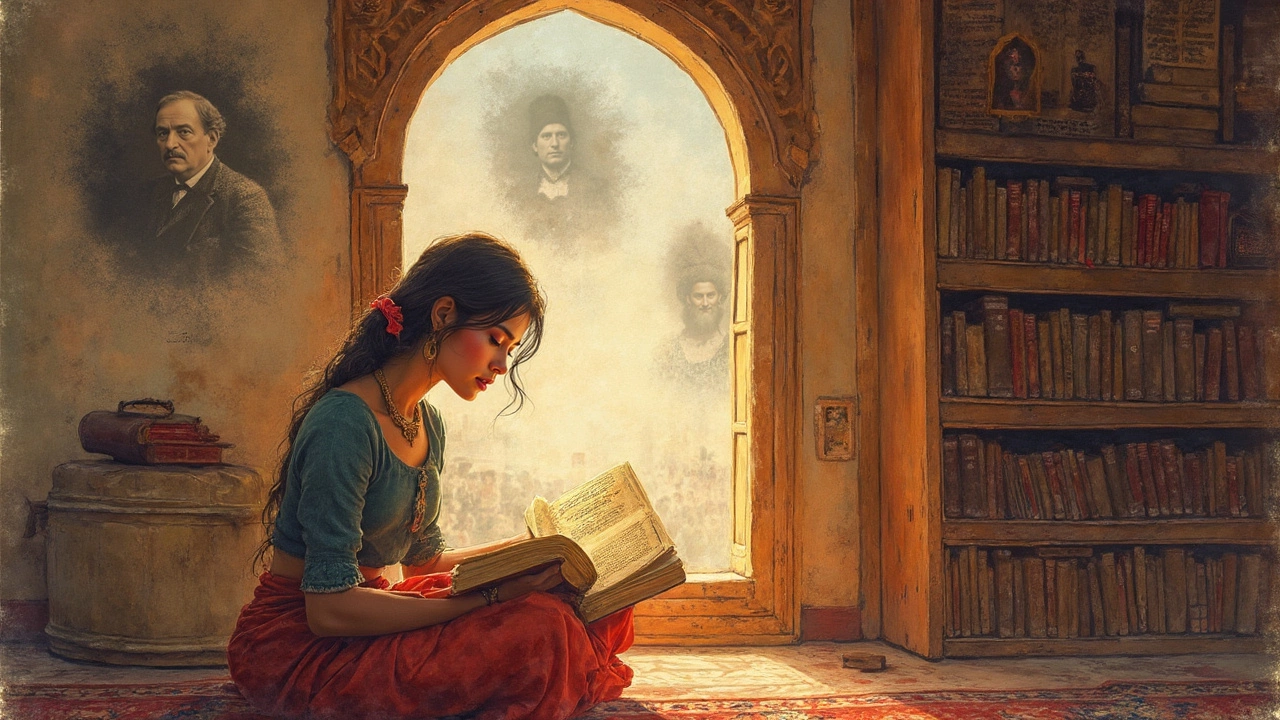
What Qualifies as Historical Fiction? Your Guide to Spotting the Real Thing
Wondering what actually counts as historical fiction? This article breaks down where authors draw the line between fiction and real history, what timeframes count, and which stories make the cut. Get tips on recognizing authentic details and learn how much creative license writers can really take. Great for readers who want to pick legit historical fiction—and writers aiming to get it right. No fluff, just the facts.
Read More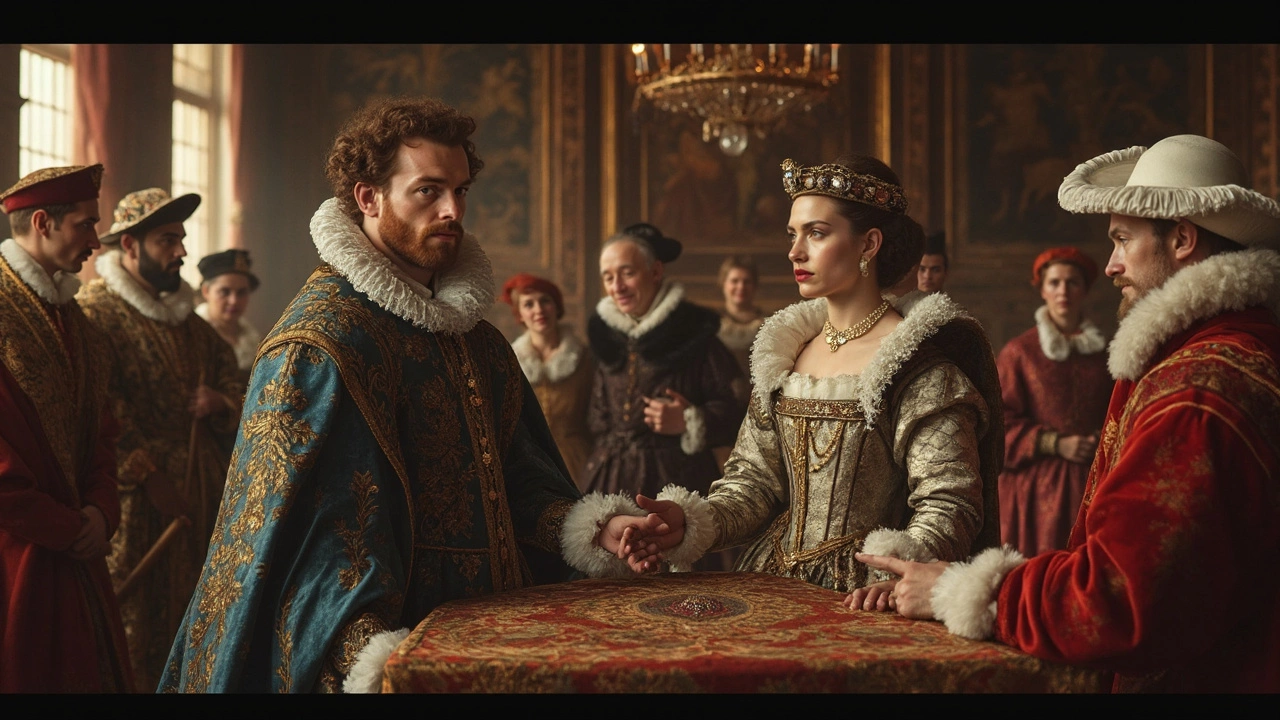
Exploring the World of Historical Novels: A Deep Dive into 'Wolf Hall'
A historical novel transports readers to the past, blending fiction with real events. 'Wolf Hall' by Hilary Mantel is a stellar example. This novel offers a vivid portrayal of the political intrigue during the reign of Henry VIII through the eyes of Thomas Cromwell. Readers get an immersive experience of the period, characters, and court dynamics, making it a masterpiece in historical fiction.
Read More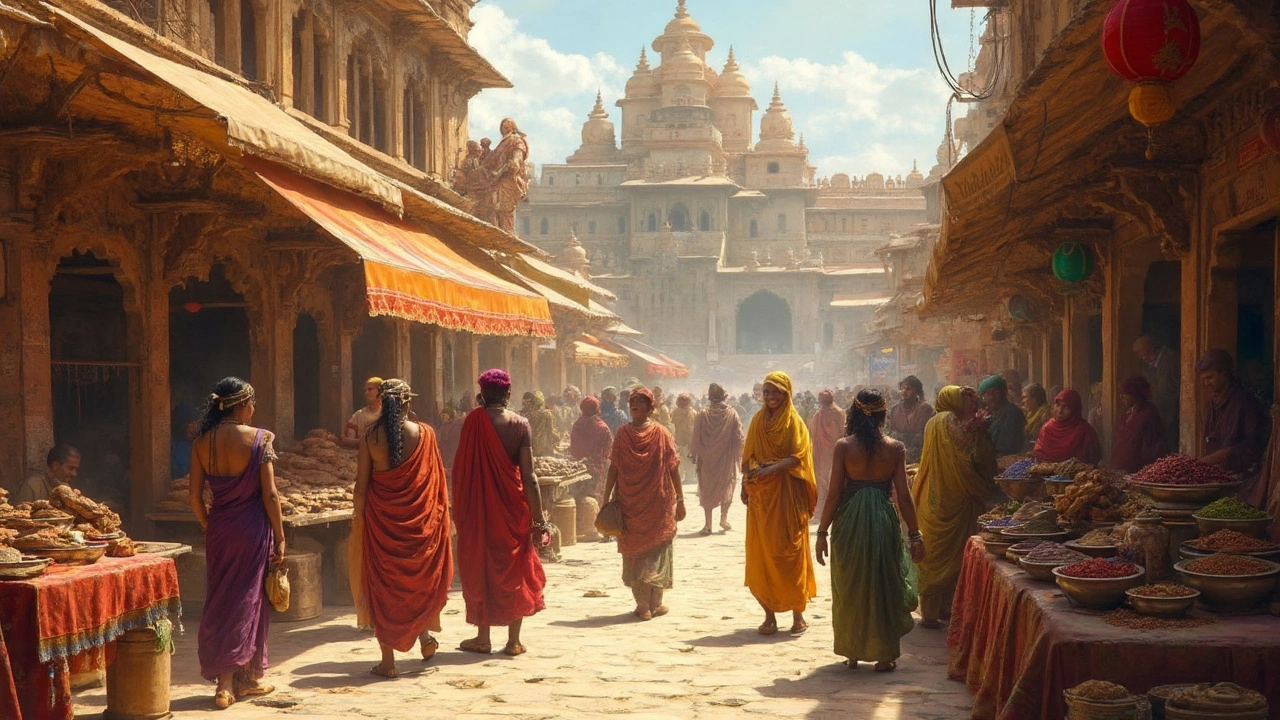
Best Historical Fiction Book of All Time: A Timeless Journey Through Pages
Discover the ultimate historical fiction masterpiece that blends rich, engaging narratives with authentic historical contexts. This article explores what makes a historical fiction book stand out among the rest, diving into the magic of storytelling that transports readers to another era. Get insights into notable characters, plots, and the impact of history on fiction. Find out why this book continues to captivate audiences and remains an unparalleled work in its genre.
Read More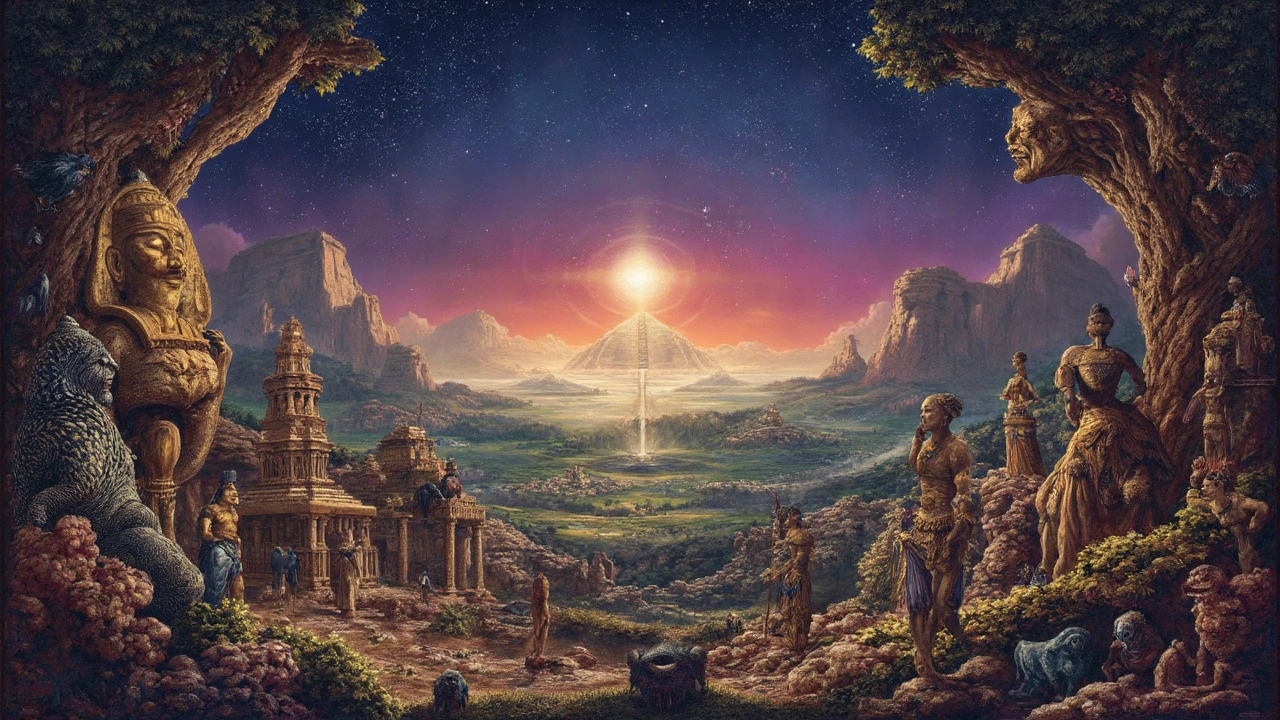
Is There a God or Not? Exploring Beliefs Through Historical Fiction
This article dives into the age-old debate of whether a god exists by weaving through the tapestry of historical fiction. It explores how different cultures and epochs have interpreted the divine, adding layers to their spiritual narratives. Drawing on ancient texts and storytelling, it questions and reflects on humanity's enduring quest for a greater power. Examining stories and characters from various times, it encourages readers to ponder their own beliefs. This engaging journey offers insights into how faith and doubt have shaped history.
Read More
Historical Fiction vs. Period Piece: What's the Difference?
Historical fiction and period pieces, though often overlapping, have distinct characteristics. Historical fiction weaves compelling narratives into real historical contexts, focusing on both authentically portrayed and fictionalized events. Period pieces prioritize capturing the look and feel of a specific time frame. Understanding the nuances between these genres helps readers and creators appreciate and craft more meaningful stories.
Read More
Are Any Titanic Survivors Still Alive? Diving into the Historic Mystery
Explore the fate of Titanic's survivors in this intriguing article. Delve into the historical accounts of those who lived through the disaster and unravel the mystery of whether anyone from that tragic night in 1912 may still be alive today. Packed with fascinating facts and research-backed insights, this piece takes you on a captivating journey through the annals of history. Discover unexpected stories and the lasting legacy of those who braved the doomed ocean liner.
Read More
Using Real People in Historical Fiction: A Creative Balancing Act
Historical fiction offers a captivating blend of truth and creativity. Writers often wonder if they can incorporate real historical figures into their narratives. While using real people can add authenticity, it comes with certain considerations. This article explores how to respectfully and imaginatively weave real figures into historical tales, maintaining historical accuracy while crafting engaging stories.
Read More
Is the Bible Historical Fiction or Something More?
Dive into the intriguing question of whether the Bible can be considered historical fiction. Explore key arguments and facts that blur the lines between history and fiction in this revered text. Understand the significance of historical context and literary elements within its narratives. Delve into how these stories are perceived in modern scholarship. Uncover surprising ways the Bible intertwines facts with storytelling.
Read More
Is Two Degrees Historical Fiction?
This article explores how the concept of 'two degrees'—often discussed in climate change debates—aligns with historical fiction. We'll investigate how modern literature intertwines with past and future perspectives, balancing fact and imagination. Discover how authors creatively incorporate real climate events and projections into compelling narratives. Gain insights into the blurred lines between historical truth and fiction in contemporary works. Find practical tips for identifying historical accuracy within these stories.
Read More
Unlocking the Age of God: A Historical Fiction Exploration
Delving into the ancient texts, mythologies, and philosophical ideas surrounding the age of God, this article presents a creative exploration of divine chronology as imagined in 2024. By weaving together historical research and fictional narratives, readers are invited on an enlightening journey through time to understand the origins of divinity. This article not only questions traditional assumptions but also presents a fresh take on how the concept of God's age has evolved throughout history.
Read More