High Fantasy: What Makes It Different and Why Readers Can't Get Enough
When you think of high fantasy, a subgenre of fantasy set in entirely invented worlds with their own laws, histories, and magic systems. Also known as epic fantasy, it’s not just about magic swords and dark lords—it’s about worlds so fully realized they feel more real than your own. Unlike stories that drop magic into our world, high fantasy builds its own universe from the ground up. Think Middle-earth, Westeros, or Narnia—places where the rules of physics, politics, and even time are rewritten. These aren’t side quests. They’re entire civilizations with economies, religions, and languages.
What makes high fantasy stick isn’t just the scale—it’s the fantasy heroes, ordinary people thrust into impossible roles, forced to grow beyond their limits in worlds where failure means annihilation. These aren’t chosen ones with superpowers from birth. They’re farm boys, scholars, or outcasts who find courage when there’s no other option. And the villains? They’re not just evil for the sake of it. They’re shaped by the same world, often born from its broken systems. The best high fantasy doesn’t just show good vs. evil—it shows how the world made both sides.
The magic in high fantasy isn’t a tool. It’s a force with consequences. Spells cost something. Power corrupts. Ancient artifacts have histories that haunt the present. That’s why readers keep coming back: it’s not escapism. It’s exploration. You’re not just reading about a battle—you’re learning how a culture worships its gods, why its kings fear their own courts, and what happens when a child picks up a sword meant for a king. The fantasy worlds, fully constructed settings with geography, politics, and cultures that operate under consistent internal logic become characters themselves.
And then there’s the fantasy magic, a system of power with rules, limitations, and cultural weight that shapes society, not just plot twists. It’s not just fireballs and levitation. In high fantasy, magic might be tied to bloodlines, forbidden knowledge, or the dying breaths of gods. It’s not a convenience. It’s a burden. That’s why when a character finally casts the spell that saves everyone, you don’t cheer because it’s cool—you cheer because you understand what it cost them.
What you’ll find below isn’t just a list of books. It’s a collection of stories that dig into what makes high fantasy unforgettable: the weight of destiny, the cost of power, and the quiet moments between epic battles where real change happens. These posts don’t just describe worlds—they explain why they matter.
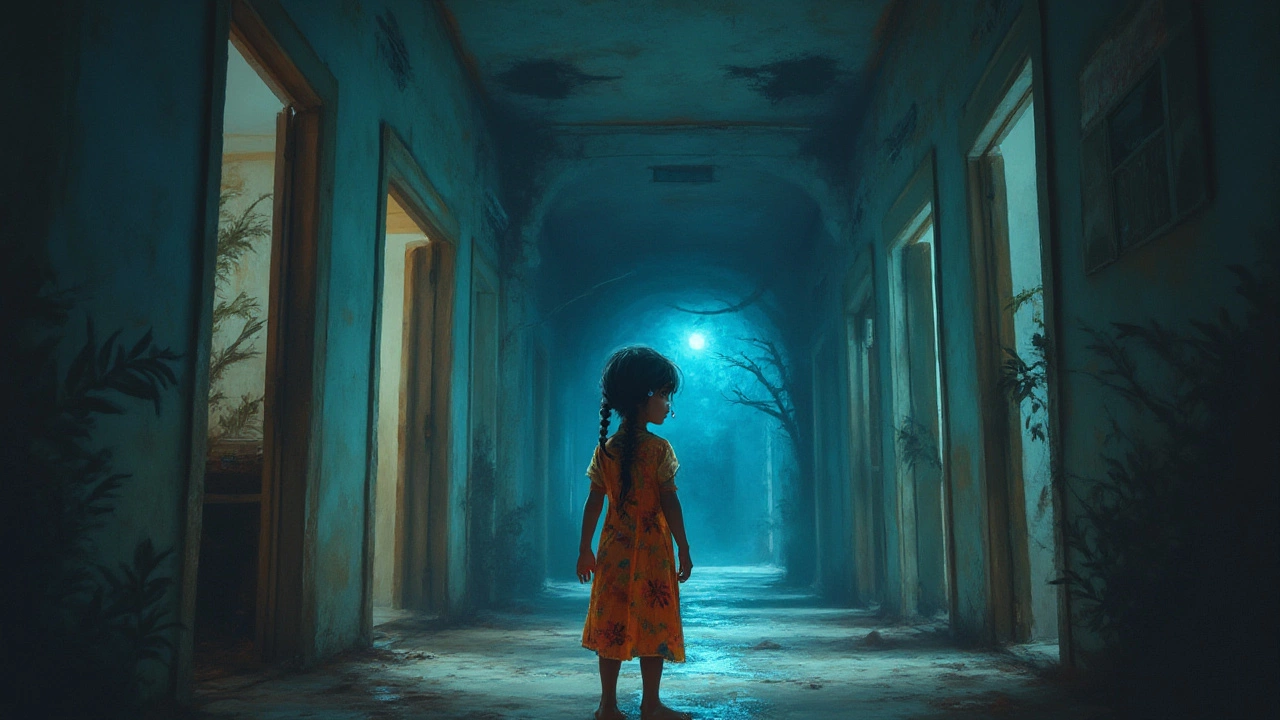
Is Coraline Low or High Fantasy? The Realms of Neil Gaiman’s Iconic Tale Explained
Wondering if 'Coraline' is high or low fantasy? Dive into Neil Gaiman’s eerie world and unravel what sets his story apart from classic fantasy tales.
Read More