Genre Rules: Understand Fantasy, YA, Sci-Fi, and More
When we talk about genre rules, the unwritten frameworks that define how stories are built and categorized. Also known as story categories, these rules aren’t chains—they’re compasses. They help writers build worlds and readers find books that feel like home. You don’t need to follow them blindly, but ignoring them entirely? That’s like trying to drive without knowing which side of the road to stay on.
Take fantasy genre, a category built on breaking reality’s rules and replacing them with new ones. It’s not about dragons or wizards—it’s about worlds where magic isn’t rare, and heroes aren’t born, they’re made. That’s why stories like Harry Potter or The Name of the Wind work. They don’t just add spells—they rebuild how power, fear, and choice work. And then there’s young adult literature, a genre centered on identity, emotional truth, and the messy transition from teen to adult. It’s not just for teens—it’s for anyone who remembers what it felt like to wonder if they’d ever figure out who they were. The best YA doesn’t talk down. It listens.
And what about sci fi, a genre that uses the future, space, or technology to ask deep questions about humanity. It’s not just about rockets and robots—it’s about what happens when we push boundaries, whether we’re ready or not. That’s why Neuromancer and The Left Hand of Darkness still matter. They’re not predicting tech—they’re exploring fear, love, and power in new skin. Then there’s literary fiction, a category defined by depth of language, internal conflict, and emotional realism. It’s not better than genre fiction—it’s just focused on a different kind of truth. You won’t find epic battles here, but you’ll find silence that screams louder than any sword.
These aren’t just labels. They’re lenses. A book can break genre rules and still belong. A reader can love fantasy and YA and sci-fi all at once. The real rule? Don’t let the boxes limit your curiosity. The posts below dig into exactly that—why Sauron haunts us, what cozy fantasy feels like, how Gen Z is rewriting reading rules, and whether sci-fi can be literary. You’ll find real answers—not theory, not fluff. Just clear, honest talk about what makes stories stick, who they’re for, and why they matter.
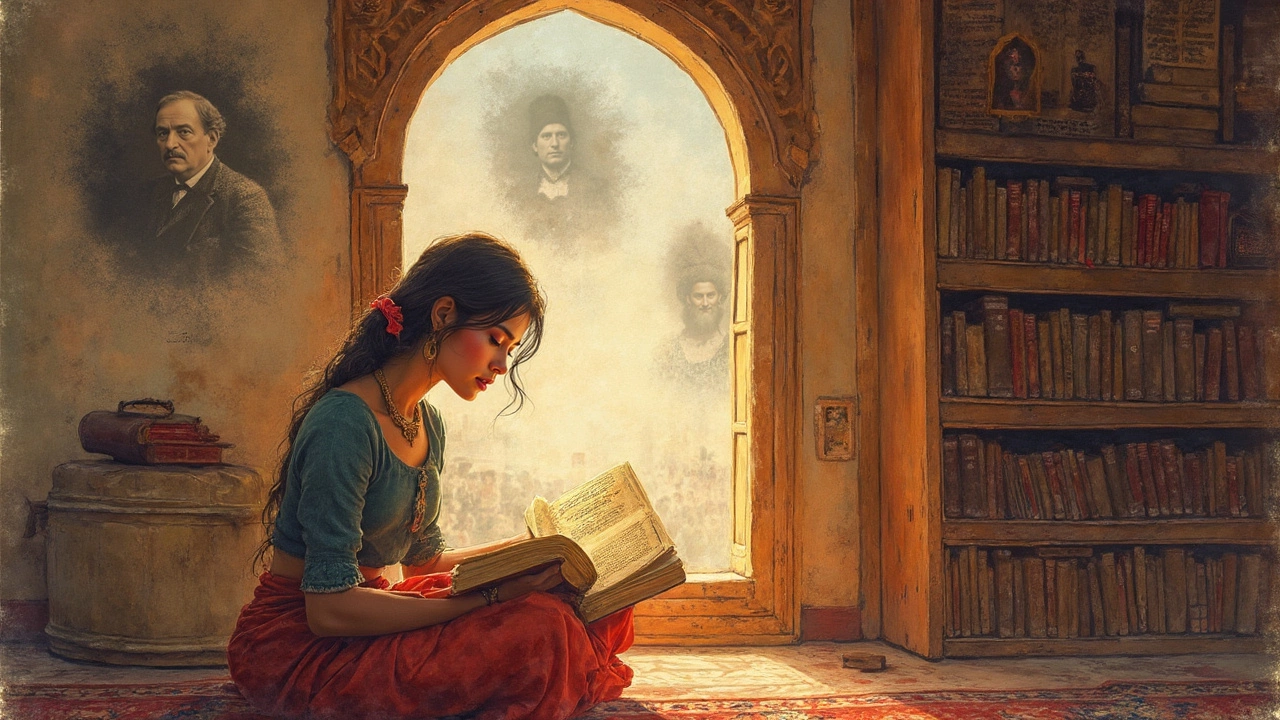
What Qualifies as Historical Fiction? Your Guide to Spotting the Real Thing
Wondering what actually counts as historical fiction? This article breaks down where authors draw the line between fiction and real history, what timeframes count, and which stories make the cut. Get tips on recognizing authentic details and learn how much creative license writers can really take. Great for readers who want to pick legit historical fiction—and writers aiming to get it right. No fluff, just the facts.
Read More