Folklore History: Myths, Legends, and the Stories That Shaped Cultures
When we talk about folklore history, the collection of traditional stories, beliefs, and customs passed orally through generations. Also known as oral tradition, it’s not just old tales—it’s how communities made sense of the world before books, before screens, before even written language. These stories weren’t entertainment. They were warnings, maps, moral lessons, and identity. A village in Bihar might tell of a river spirit who punished greed, while a tribe in Odisha passed down how the first monsoon came—not as weather data, but as a tale of sacrifice and rebirth.
myths, sacred narratives that explain the origins of the world, gods, or natural phenomena often overlap with legends, stories rooted in real places or people, blurred by time but still felt as true. You won’t find a dragon in a history textbook, but you’ll find plenty of villages claiming to be the birthplace of a local hero who fought one. Folklore history doesn’t care if it’s true—it cares if it mattered. The story of Ravana in the Ramayana isn’t just about a demon king; it’s about power, pride, and the cost of crossing boundaries. That’s why these tales still live—in festivals, in songs, in the way grandparents tell bedtime stories that feel older than the house they’re told in.
What makes folklore history different from fiction? It doesn’t need an author. It’s shaped by who tells it, when, and why. A story about a trickster god in Rajasthan might change slightly every time it’s told—adding a local landmark, swapping a weapon for a tool farmers recognize. That’s not inconsistency. That’s adaptation. That’s survival. These stories didn’t vanish when the British wrote their histories. They hid in dialects, in folk dances, in the rhythm of village drumming. And now, they’re being rediscovered—not as relics, but as living voices.
What you’ll find in the posts below isn’t just a list of stories. It’s a map of how people made meaning out of fear, wonder, and loss. From why the moon has craters to how a forgotten village saint became a symbol of justice, these tales aren’t fading. They’re waiting to be heard again.
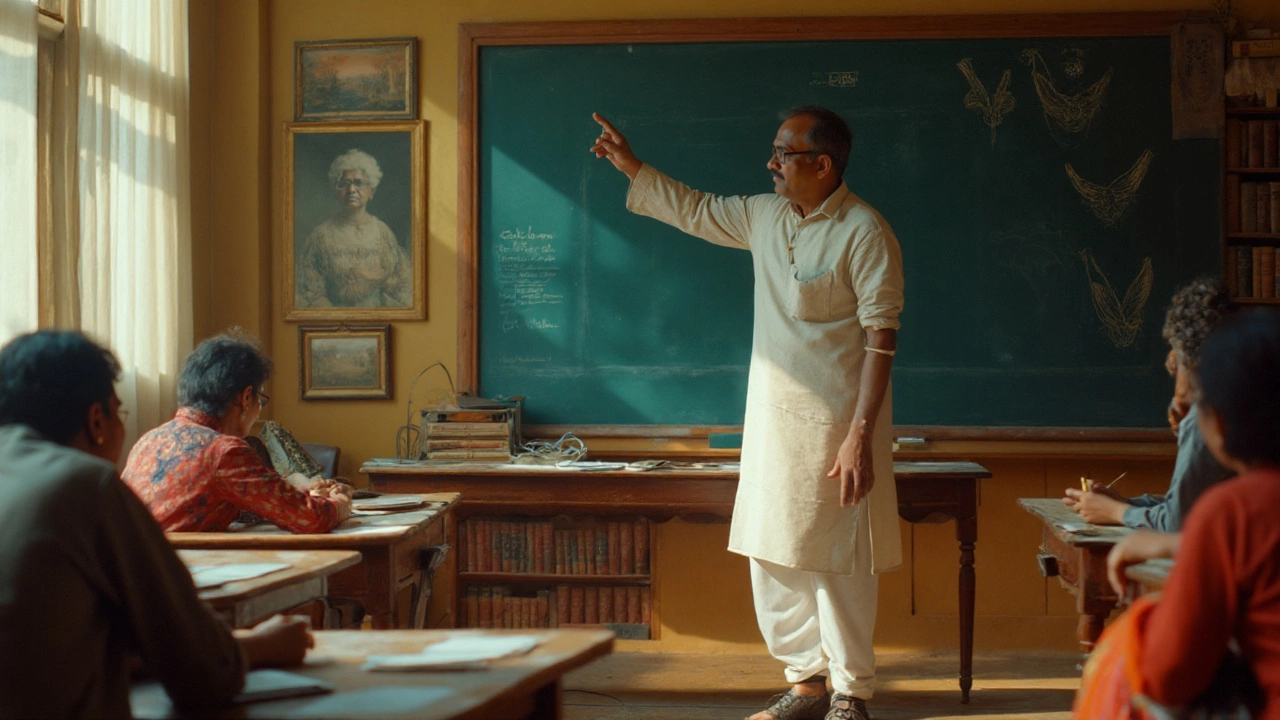
Who Is the Mother of Folklore? Charlotte Sophia Burne’s Legacy Explained
Quick, clear answer to who is called the mother of folklore, why it’s Charlotte Sophia Burne, and how to remember it for exams or quizzes-backed by credible sources.
Read More