Fifty Shades: What It Is, Why It Sparked a Movement, and What It Means for Modern Romance
When Fifty Shades, a trilogy of erotic romance novels that exploded into global pop culture. Also known as Fifty Shades of Grey, it began as fan fiction and became a publishing sensation that sold over 150 million copies worldwide. It didn’t just sell books—it reshaped conversations about desire, power, and female fantasy in mainstream fiction.
Fifty Shades is a type of erotic romance, a subgenre where sexual tension and emotional intimacy drive the plot, but it’s also a cultural artifact. It tapped into something deeper than steamy scenes: the idea that a woman could want control, vulnerability, and dominance all at once—and that that desire was worth writing about. The book didn’t invent BDSM themes in fiction, but it made them visible to millions who’d never seen them in a bestseller before. Its success forced publishers to ask: What if readers want stories that aren’t polite? And suddenly, romance wasn’t just about first kisses and grand gestures—it was about boundaries, consent, and complicated power dynamics.
What’s often missed is how Fifty Shades relates to contemporary romance, modern love stories that reflect today’s relationships, not fairy-tale ideals. It didn’t follow the rules of traditional romance—no meet-cutes in coffee shops, no perfectly timed declarations. Instead, it gave us flawed characters, messy emotions, and a heroine who didn’t know what she wanted until she was pushed into it. That’s why it resonated. It wasn’t about fantasy escape—it was about real confusion, real hunger, and real self-discovery wrapped in silk ropes and leather cuffs.
The backlash was loud. Critics called it poorly written. Academics dismissed it as lowbrow. But readers kept buying. Why? Because it gave voice to a quiet, unspoken part of female desire that had been ignored for decades. It didn’t need perfect prose to matter—it needed honesty. And that honesty spilled into everything after it: from BookTok recommendations to indie romance authors who started writing more complex, sexually open stories.
What you’ll find in this collection isn’t just about Fifty Shades itself. It’s about the ripple effect. The books that came after it. The readers who found themselves in its pages. The genre it forced us to rethink. Whether you loved it, hated it, or never read it—you can’t ignore what it did. These posts explore how it changed storytelling, what it revealed about modern readers, and why it still matters years later.
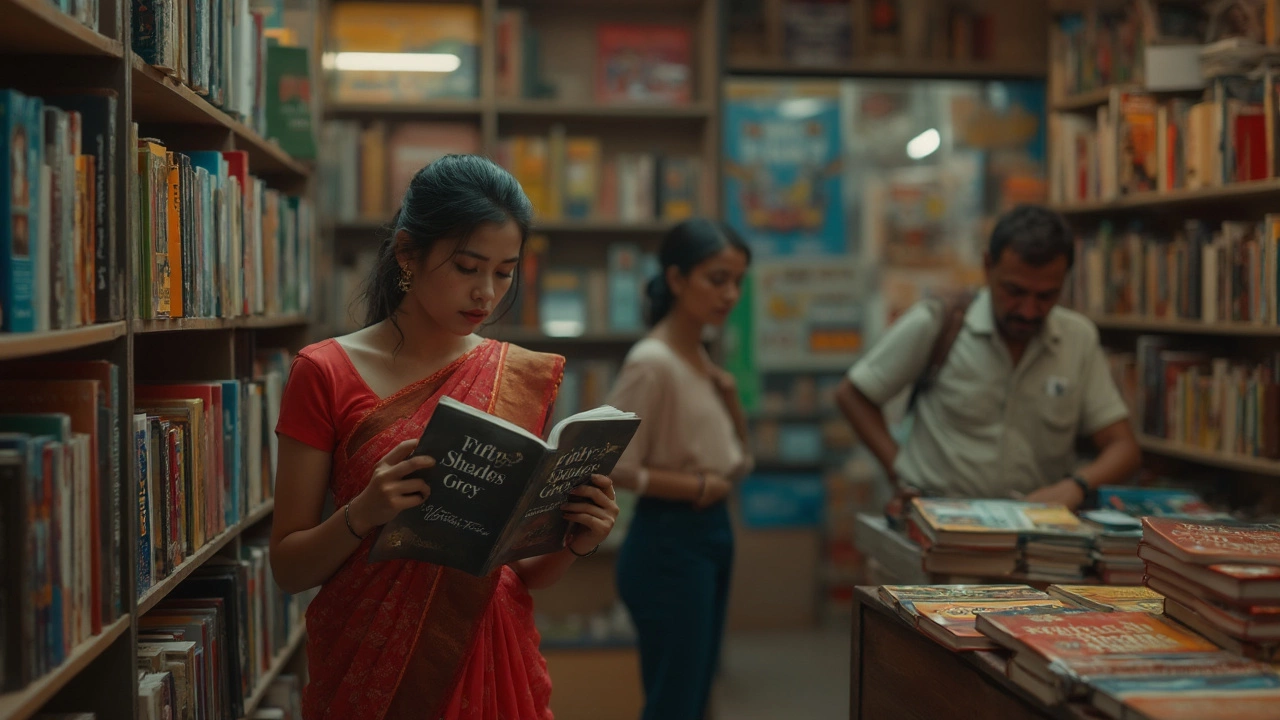
Is Fifty Shades Censored? Book Bans, Edits, and Realities
Ever wondered if Fifty Shades of Grey was censored? This article breaks down where, why, and how the book has been edited or banned. We dive into specific cases, what gets censored, and how readers get around those restrictions. Useful tips for finding uncut versions and staying informed about book bans. It's a must-read for anyone interested in the twists and turns this blockbuster romance has faced.
Read More