Diversity in Stories: Why Different Voices Make Books Come Alive
When we talk about diversity, the inclusion of people from different backgrounds, cultures, identities, and experiences in storytelling. Also known as representation in literature, it’s not a trend—it’s the foundation of stories that feel real. A book where everyone looks, thinks, and lives the same way doesn’t mirror the world we live in. It mirrors a bubble. Real life is messy, loud, colorful, and full of contradictions—and the best stories reflect that.
Think about the characters who stuck with you. Was it the quiet girl in a small Indian village who dreamed of flying planes? The queer teen in Mumbai navigating love and family expectations? The elderly grandmother telling folktales in Hindi that shaped her grandchild’s worldview? These aren’t just characters—they’re cultural narratives, stories rooted in specific traditions, languages, and lived realities. They’re not included to check a box. They’re included because they carry truths that universal stories alone can’t reach. And when you read them, you’re not just entertained—you’re expanded.
Inclusive literature, books that intentionally center underrepresented voices and perspectives doesn’t replace the classics. It adds to them. It gives space to the girl who’s never seen herself on a book cover. It lets the boy who speaks a dialect at home know his voice matters in print too. It’s why a fantasy villain like Sauron feels more terrifying when you’ve also read about a hero who fights not for glory, but to protect her grandmother’s ancestral land. It’s why cozy fantasy feels warmer when it’s set in a Himalayan hill town with tea stalls and local deities, not just English cottages.
Stories don’t need to be about diversity to include it. They just need to be honest. And the posts you’ll find here? They’re not just about what diversity looks like in books—they’re about why it changes how we read, who we connect with, and what stories we remember long after the last page. You’ll find deep dives into female adventurers, Gen Z’s reading habits, YA literature’s emotional core, and even how religious texts and sci-fi blur lines in ways that challenge old definitions. This isn’t a checklist. It’s a living, breathing collection of voices that refuse to be ignored.
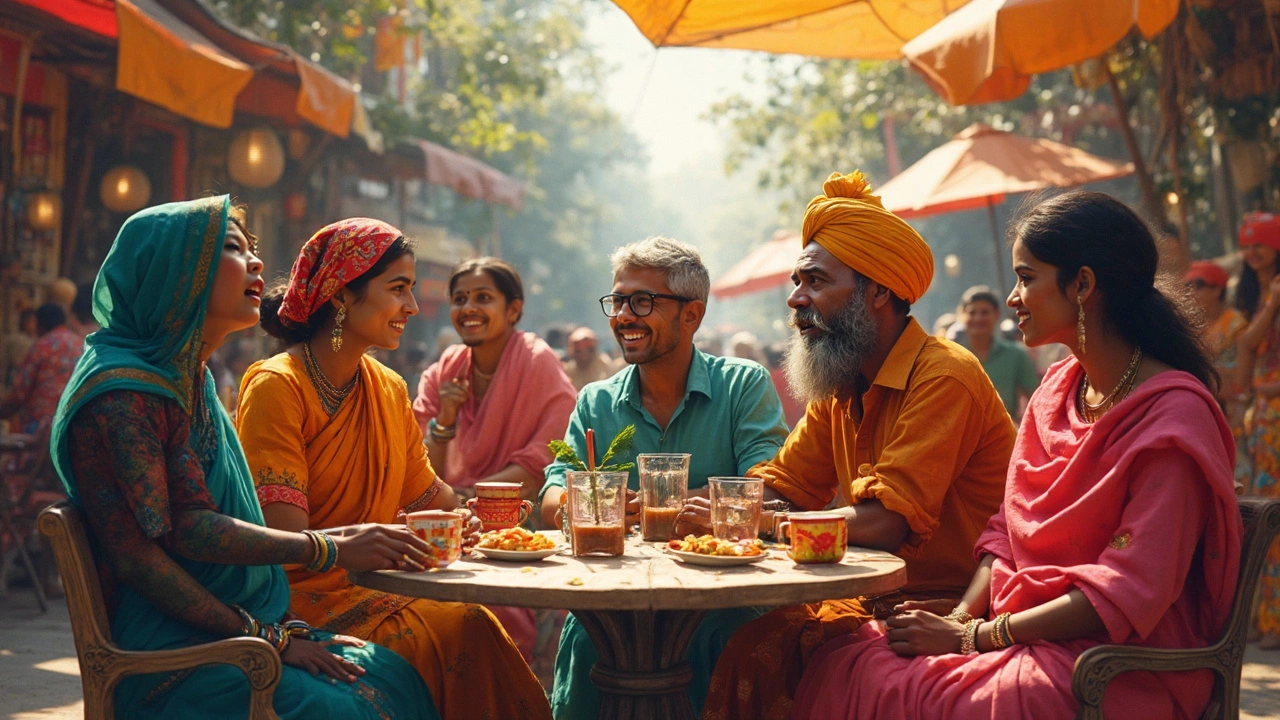
Culturally Diverse Stories: What Are They and Why Do They Matter?
Culturally diverse stories let us see life through different perspectives, opening doors to new experiences and ideas. They break old stereotypes, shine a spotlight on underrepresented communities, and spark conversations worth having. This article digs into what makes a story truly culturally diverse, how it shapes our thinking, and why you’ll want to pay attention. You’ll also find real-life examples and practical tips for discovering and sharing stories from all corners of the globe. Want to know how to support or tell your own culturally diverse stories? You’re in the right place.
Read More