Coraline: The Dark Fantasy Classic That Redefined Children's Horror
When you think of Coraline, a dark fantasy novella by Neil Gaiman that twists the idea of a perfect alternate world into something deeply unsettling. Also known as the girl who found a door to another home, it’s not just a children’s story—it’s a psychological horror tale wrapped in velvet and buttons. Coraline isn’t scary because of monsters under the bed. It’s scary because it shows what happens when a child gets exactly what she asks for—and realizes too late that perfection has a price.
This story sits at the crossroads of dark fantasy, a genre where magic is twisted, rules are broken, and the familiar becomes alien and children’s horror, stories designed to unsettle young readers without crossing into pure terror. Unlike traditional fairy tales where evil is obvious, Coraline’s threat hides behind kindness. The Other Mother offers love, attention, and delicious food—but her eyes are buttons, and her smile doesn’t reach her soul. That’s the real horror: the manipulation of care.
Neil Gaiman didn’t write Coraline for kids to feel safe. He wrote it for kids who’ve ever felt ignored, for parents who’ve been too tired to listen, and for anyone who’s wondered what life would be like if things were just… better. The story’s power comes from its quiet dread—the slow realization that the most dangerous thing isn’t a monster, but the lie that says you’re not enough as you are.
It’s no surprise that Coraline became a landmark in stop-motion animation, a painstakingly crafted film adaptation that brought Gaiman’s eerie visuals to life with uncanny realism. The movie didn’t just adapt the book—it deepened it. Every shadow, every stitched mouth, every button eye was designed to make you feel watched. And yet, it’s still the book that lingers. Because reading Coraline means imagining the Other World in your own mind—and that’s where the real fear lives.
What makes Coraline endure isn’t just its creepiness. It’s how honestly it speaks to loneliness, boredom, and the quiet desperation of wanting to be seen. It doesn’t talk down to kids. It doesn’t sugarcoat fear. It says: you’re allowed to be scared. You’re allowed to say no. And sometimes, the bravest thing you can do is walk away from something that looks perfect.
Below, you’ll find posts that dig into the deeper corners of stories like Coraline—why we love dark fantasy, what makes a villain truly haunting, and how modern tales are rewriting what children’s horror can be. Whether you’re revisiting Coraline for the first time or analyzing it for the tenth, these articles will make you see it differently.
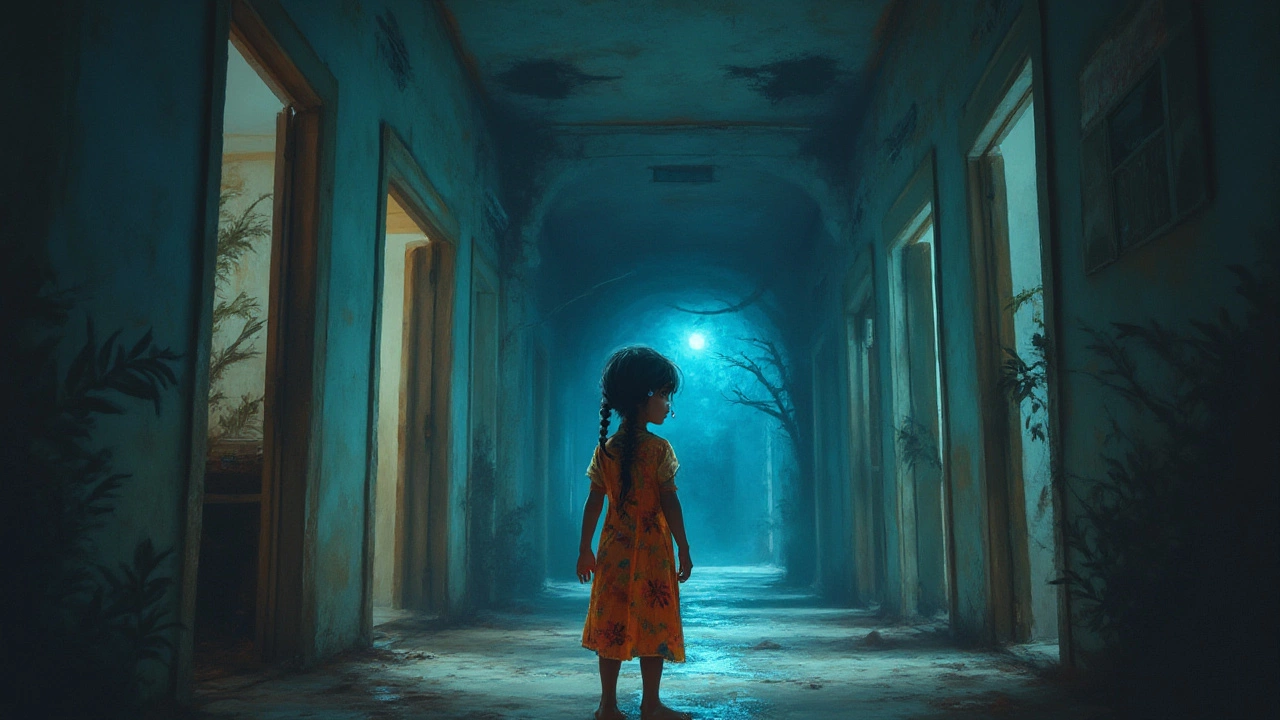
Is Coraline Low or High Fantasy? The Realms of Neil Gaiman’s Iconic Tale Explained
Wondering if 'Coraline' is high or low fantasy? Dive into Neil Gaiman’s eerie world and unravel what sets his story apart from classic fantasy tales.
Read More