Climate Change: How Stories Reflect Our World’s Rising Temperatures
When we talk about climate change, the long-term shift in global weather patterns driven by human activity, especially fossil fuel use. Also known as global warming, it's no longer a distant threat—it’s in the floods, the wildfires, the unseasonal heatwaves, and the stories people are now writing about it. This isn’t just about data graphs or policy debates. It’s about how people live, lose, adapt, and imagine survival in a world that’s changing faster than our institutions can keep up.
Stories have always mirrored society’s fears and hopes. Today, climate fiction, a genre where environmental collapse shapes plot, character, and setting is growing fast. It’s not just about doom—it’s about resilience. Think of a mother in a drought-stricken village in Rajasthan rationing water while teaching her child to read by candlelight. Or a teen in Mumbai building a solar-powered radio to warn neighbors about rising tides. These aren’t fantasies—they’re echoes of real lives. And they’re showing up in books, not as warnings, but as witness accounts.
Related to this is eco-fiction, a broader category where nature isn’t just backdrop but a force that drives human decisions. You’ll find it in quiet novels about farmers losing their land to saltwater intrusion, or in thrillers where cities are abandoned after monsoons fail. These stories don’t preach. They show. They make you feel the weight of a single decision—whether to stay or leave, to fight or flee, to hope or let go.
What’s missing from most news coverage is the human texture. The guilt of a parent who can’t afford air conditioning. The silence after a forest burns down and no birds return. The way a child in Delhi learns to recognize smoke by smell before they learn their ABCs. These are the details that stick. And they’re exactly what the stories in this collection capture—not as science reports, but as lived truth.
You won’t find dry statistics here. Instead, you’ll find narratives that ask: What does it mean to love a world that’s slipping away? How do you raise a child in a future that’s uncertain? What does courage look like when the enemy isn’t a person, but a temperature rise? The posts below don’t answer those questions outright. But they give you the stories that let you sit with them—quietly, honestly, and without sugarcoating.
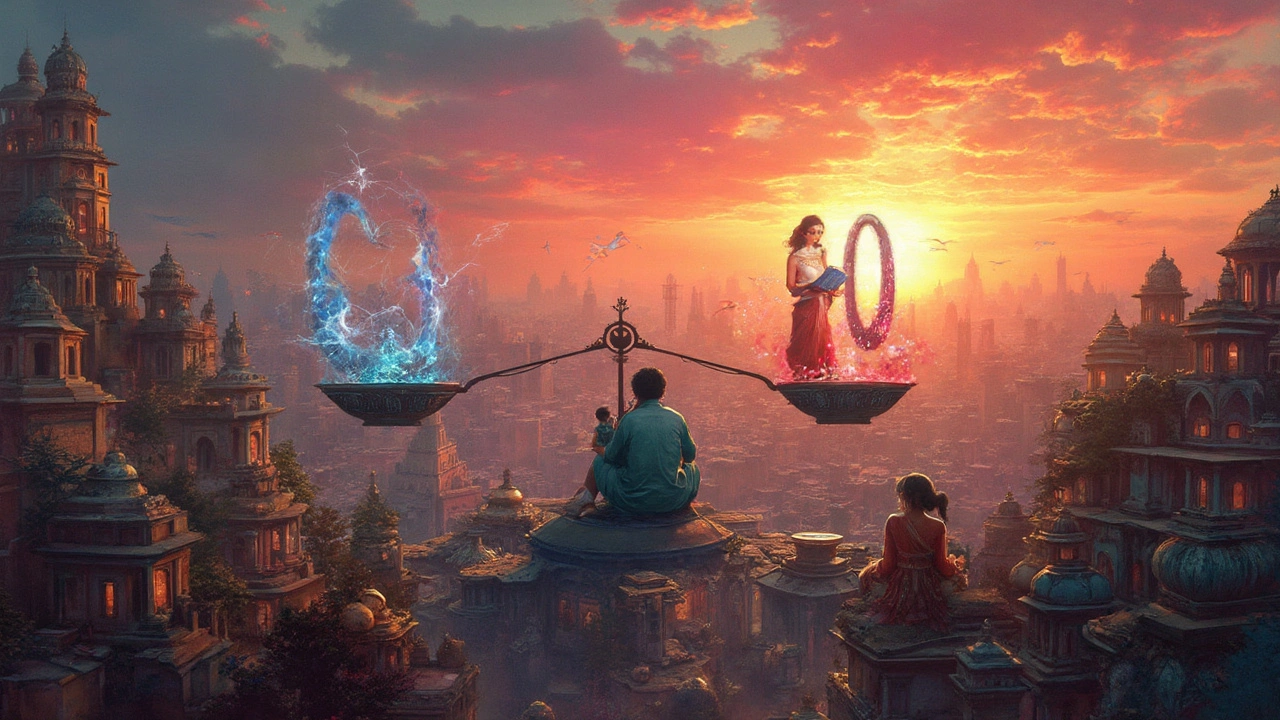
Is Two Degrees Historical Fiction?
This article explores how the concept of 'two degrees'—often discussed in climate change debates—aligns with historical fiction. We'll investigate how modern literature intertwines with past and future perspectives, balancing fact and imagination. Discover how authors creatively incorporate real climate events and projections into compelling narratives. Gain insights into the blurred lines between historical truth and fiction in contemporary works. Find practical tips for identifying historical accuracy within these stories.
Read More