Child Literacy Development: How Stories Build Reading Skills and Lifelong Learners
When we talk about child literacy development, the process by which young children learn to understand and use written language through exposure to stories, conversation, and reading. Also known as early literacy, it’s not just about recognizing words—it’s about building the mental habits that turn kids into readers who want to keep turning pages. This isn’t something that happens in a classroom alone. It starts at home, in the quiet moments before bed, when a parent reads aloud and a child leans in, eyes wide, asking, "What happens next?"
Good children's stories, narratives designed for young audiences with simple language, relatable characters, and emotional resonance are the secret engine behind this growth. They don’t just teach vocabulary—they build attention spans, teach cause and effect, and help kids understand feelings. A story about a shy fox finding courage doesn’t just entertain; it gives a child a mental script for their own fears. And when kids see themselves in books—whether they’re laughing at a clumsy hero or solving a mystery with a brave friend—they start believing they can do it too. That’s where real learning begins.
language development, the natural process through which children acquire the ability to speak, understand, read, and write thrives on repetition, rhythm, and connection. Rhymes, predictable patterns, and familiar phrases stick in a child’s mind. That’s why books with catchy refrains or funny sounds stick around longer. And when kids hear stories regularly, they start predicting what comes next, asking questions, and even retelling tales in their own words. That’s not just memorization—it’s thinking. It’s the foundation of critical thinking, built one story at a time.
It’s not about how many books a child reads in a week. It’s about the feeling they get when they open a book. Is it safe? Is it exciting? Is it theirs? The best reading habits, consistent, enjoyable routines that encourage regular engagement with books are the ones that feel like play, not work. A child who reads because they want to, not because they have to, is already ahead. And that’s what the stories in this collection show—real ways books help kids grow, not just in skill, but in spirit. Below, you’ll find real posts that dig into what works, what doesn’t, and why some stories stick with kids long after the last page is turned.
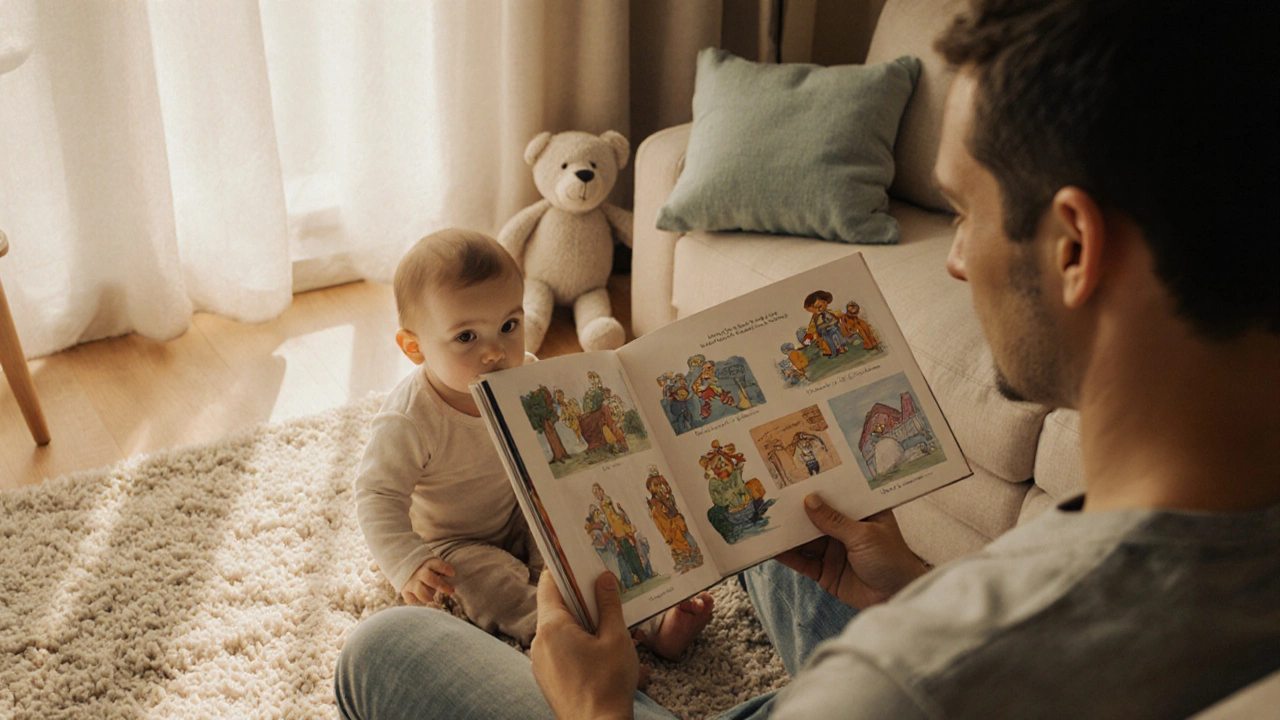
When to Stop Reading Aloud to Your Child: Age Guide
Explore the right age to stop reading aloud to your child, with developmental cues, transition tips, and a handy checklist for parents.
Read More