Charlotte Sophia Burne: Folklorist, Collector, and the Woman Who Saved Rural Stories
When you think of fairy tales, you probably picture witches, talking animals, or brave girls outsmarting giants. But who saved those stories before they disappeared? Charlotte Sophia Burne, a pioneering English folklorist who traveled villages in the late 1800s to collect oral tales from farmers, nannies, and elders. Also known as C.S. Burne, she didn’t write fiction—she listened, wrote down, and preserved what people actually told their children. At a time when most scholars ignored rural speech, she treated it as valuable. Her notebooks didn’t just hold stories—they held the heartbeat of a disappearing way of life.
She didn’t work alone. Burne was part of a quiet revolution in folklore studies, the academic field focused on traditional stories, customs, and beliefs passed down orally. Also known as folkloristics, this field was dominated by men collecting myths from faraway lands. But Burne focused on England’s own backyard—Shropshire, Herefordshire, Worcestershire. She asked mothers how they told bedtime tales, talked to old women about local superstitions, and recorded rhymes children sang while skipping rope. These weren’t polished literary works. They were messy, funny, sometimes scary, and deeply human. Her book Shropshire Folk-Lore became a cornerstone for anyone studying how stories change across generations. She didn’t just collect tales—she documented who told them, where, and when. That detail matters. It’s what separates real folklore from made-up legends.
Today, her work feels more urgent than ever. We live in a world where stories are streamed, not whispered. Kids don’t learn about bogeymen from their grandmothers—they watch them on screens. Burne understood that stories aren’t just entertainment. They’re how communities pass down values, fears, and identity. Her collection includes tales about fairy tales, traditional narratives featuring magical beings, talking animals, and moral lessons, often told to children. Also known as nursery tales, these were the original bedtime stories, shaped by generations of oral tradition before being written down. She didn’t clean them up. She kept the dialects, the repetitions, the weird bits. That’s why her work still matters. It’s not nostalgia. It’s archaeology.
What you’ll find in the posts below isn’t a biography of Burne. It’s the ripple effect of her work. You’ll read about what makes a story truly fantasy, why adventure girls are rising in modern books, and how Gen Z is redefining what counts as a good tale. All of it connects back to her: the idea that stories come from people, not just publishers. That the quiet voices matter. That if no one writes them down, they vanish. And that’s why we still talk about Charlotte Sophia Burne—not because she wrote bestsellers, but because she listened when no one else did.
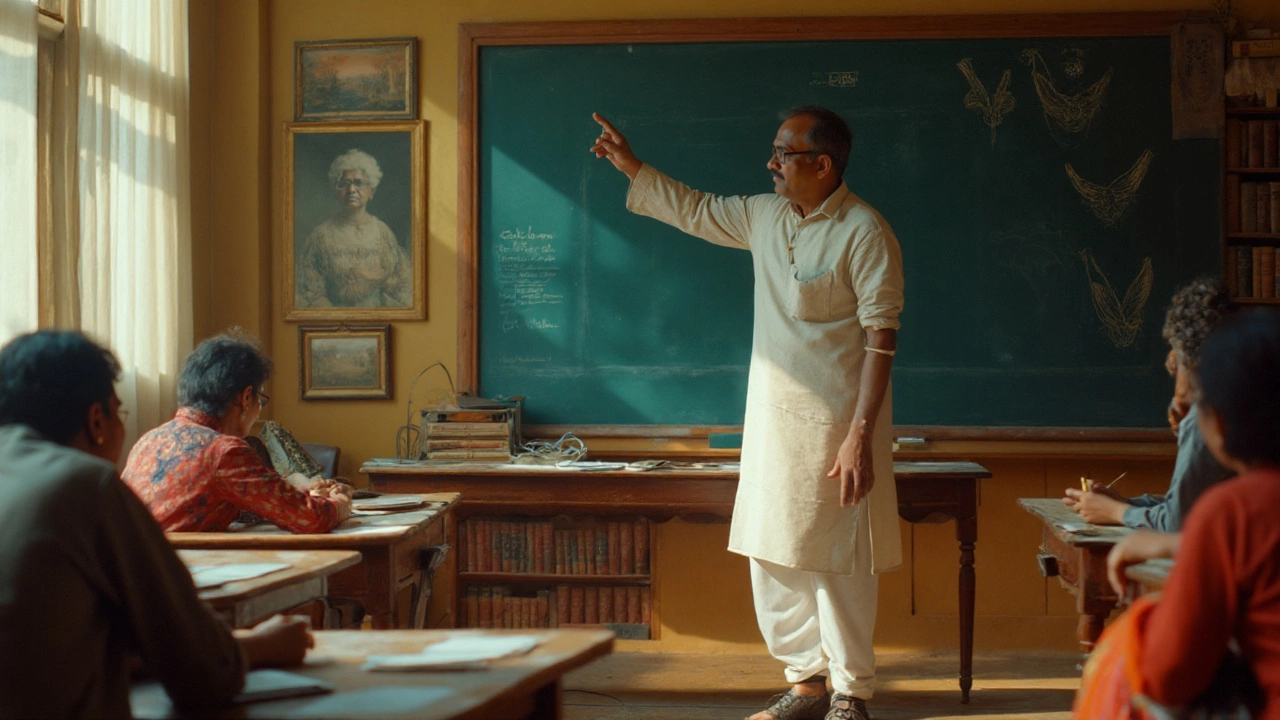
Who Is the Mother of Folklore? Charlotte Sophia Burne’s Legacy Explained
Quick, clear answer to who is called the mother of folklore, why it’s Charlotte Sophia Burne, and how to remember it for exams or quizzes-backed by credible sources.
Read More