Book Genre: Explore Fantasy, YA, Sci Fi, and More
When you pick up a book, you’re not just choosing a story—you’re choosing a book genre, a category that shapes how a story is told, what themes it explores, and how it makes you feel. Also known as literary category, it’s the invisible hand guiding everything from pacing to character arcs. Not all stories are built the same. A fantasy, a genre built on worlds where magic bends reality. Also known as speculative fiction, it doesn’t need dragons to be fantasy—it just needs rules that break ours. Think of it like a new operating system for imagination. Meanwhile, young adult literature, stories centered on teens figuring out who they are amid chaos, love, and identity. Also known as YA fiction, it speaks to anyone who’s ever felt lost, even if you’re thirty-five. And then there’s sci fi, a genre that uses futuristic tech or alien worlds to ask human questions. Also known as science fiction, it isn’t about spaceships—it’s about what those spaceships reveal about us.
These genres aren’t just labels. They’re emotional filters. Cozy fantasy doesn’t need epic battles—it gives you tea, small towns, and quiet magic because you’re tired of the world. Young adult stories hit hard because they mirror the rawness of growing up, not because they’re written for teens. Sci fi can be literary fiction if it digs into grief, power, or what it means to be alive. And the line between them? It’s blurry on purpose. That’s why you’ll find fantasy novels that read like poetry and sci fi that feels like a diary entry. Book genres aren’t cages—they’re doorways. Some lead to dragons. Others lead to quiet rooms where someone finally says, "I get it."
What You’ll Find Here
This collection doesn’t just list genres—it unpacks them. You’ll read about the villain who haunts readers more than any monster, the type of fantasy that feels like a warm blanket, and why the #2 most read book in the world isn’t a novel at all. You’ll learn what makes an adventure story real, how Gen Z is rewriting the rules of reading, and whether self-help books actually change anything. There’s no fluff here—just straight talk on what makes each genre work, who it’s for, and why it sticks with you long after the last page.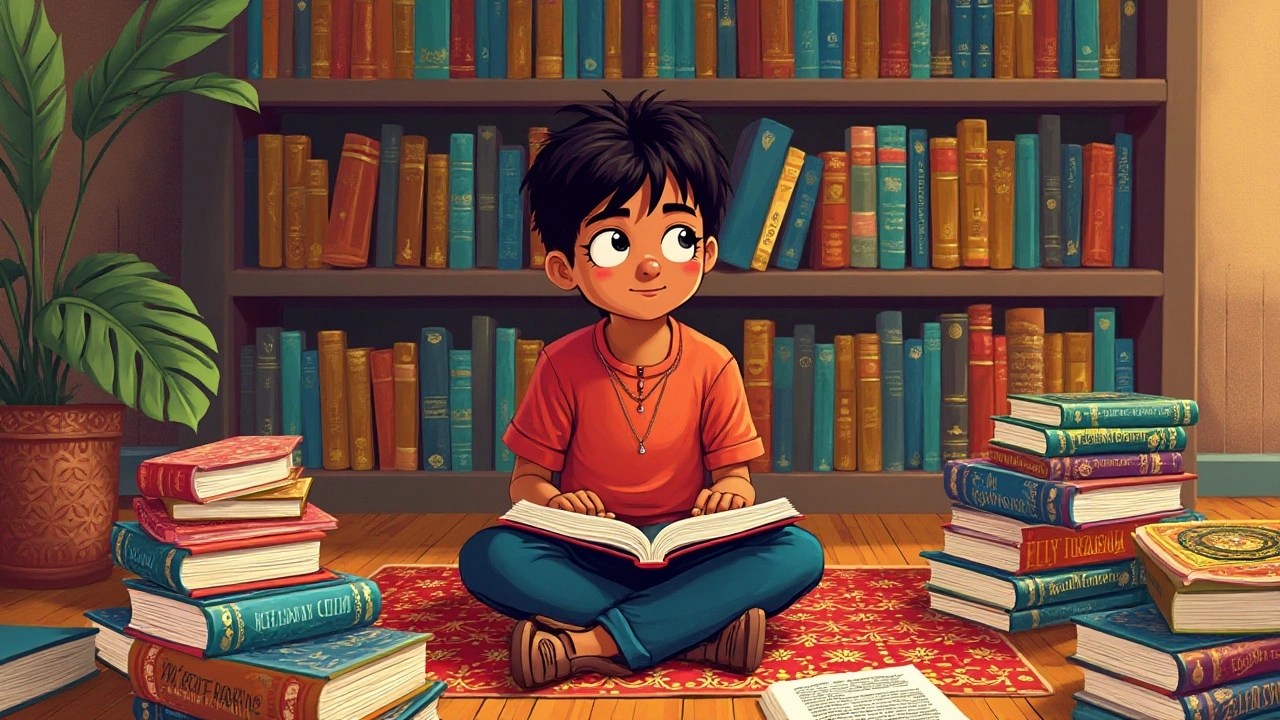
Identifying Young Adult vs Adult Books: A Comprehensive Guide
Navigating between YA and adult books can be tricky as the lines often blur. This article delves into the characteristics that distinguish young adult fiction from adult literature, emphasizing themes, writing styles, and target audiences. It provides practical tips to help readers identify whether a book belongs to the YA category or is meant for a mature audience, making it easier for readers and writers alike to classify a book properly. This comprehensive guide also shares insight into why these distinctions matter in the world of fiction.
Read More