Bildungsroman Stages: How Coming-of-Age Stories Shape Who We Become
At its core, a bildungsroman, a novel focused on the psychological and moral growth of a protagonist from youth to adulthood. Also known as a coming-of-age story, it’s not just about growing older—it’s about figuring out who you are when the world keeps changing the rules. This isn’t a genre you stumble into by accident. It’s the kind of story that sticks with you because you see yourself in it—the awkward teenager, the confused young adult, the person who keeps asking, "Is this all there is?"
The bildungsroman stages aren’t a checklist, but they do follow a pattern you’ve lived through. It starts with disruption: a loss, a move, a betrayal, or just the sudden realization that your parents don’t have all the answers. Then comes the journey—physical or emotional—where the main character faces challenges that force them to question everything they thought they knew. Along the way, they meet mentors, rivals, and lovers who don’t always help, but always change them. The climax isn’t a battle or a rescue—it’s an internal shift. Maybe they forgive someone. Maybe they stop trying to please everyone. Maybe they finally admit they’re scared. And the ending? It’s rarely happy. But it’s honest. That’s what makes it real.
These stories connect deeply with young adult literature, a category built around teens and early adults navigating identity, belonging, and self-worth. Think of characters like Holden Caulfield or Katniss Everdeen—they’re not heroes because they win fights. They’re heroes because they survive themselves. And that’s why these stories don’t just entertain—they help us make sense of our own messy transitions. You don’t need to be a teenager to feel this. You just need to remember what it felt like to be one.
The character development, the slow, often painful process of change in a person over time shown in these novels isn’t magic. It’s made of small choices: saying no when everyone says yes, walking away from a toxic friendship, picking up a book when you’d rather scroll. These are the same choices real people make. That’s why the novel structure, the way a story is built to guide emotional growth of a bildungsroman feels so familiar. It’s not about plot twists—it’s about inner shifts you’ve probably experienced yourself.
What you’ll find in the posts below isn’t theory. It’s stories that show these stages in action. From how Gen Z relates to coming-of-age tales, to why young adult fiction resonates across ages, to what makes a character’s growth feel real—these aren’t just book reviews. They’re mirrors. And if you’ve ever wondered how you got to where you are, these stories might just help you see the path.
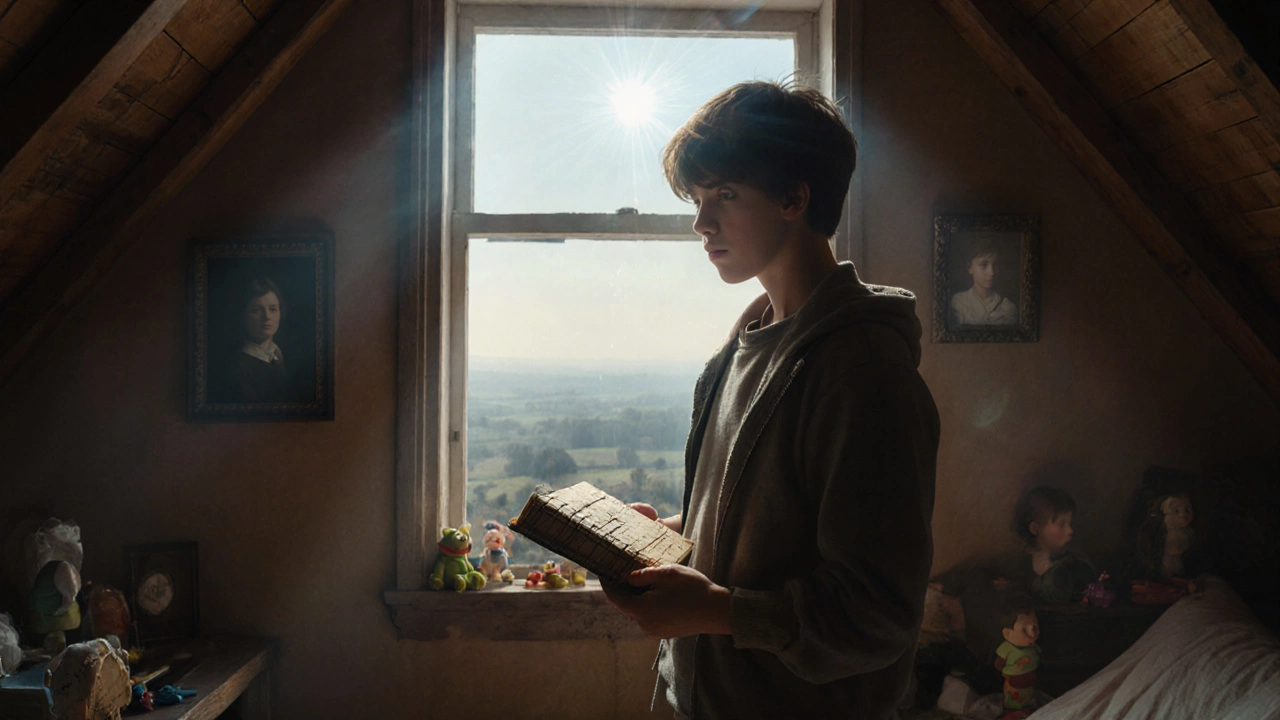
Four Stages of a Bildungsroman: A Clear Guide
Discover the four classic stages of a Bildungsroman, see how they shape coming‑of‑age novels, and learn to spot or write the perfect growth arc.
Read More