Appearance Trends: What Shapes How We See Characters in Stories
When we think of a fantasy villain, we don’t just imagine power—we picture appearance trends, the visual patterns that define how characters are designed to evoke emotion, fear, or admiration in stories. These trends aren’t random. They’re built over time by culture, psychology, and storytelling traditions. A cloaked figure with glowing eyes? That’s not just a style choice—it’s a signal. It tells us this character is mysterious, dangerous, maybe even ancient. These visual cues work because they tap into something deeper than aesthetics: our instincts.
Look at the rise of the adventure girl, a bold female protagonist who leads her own journey without waiting to be saved. strong female protagonists used to be rare in fantasy, often sidelined or dressed for male gaze. Now, they wear practical gear, carry scars, and move with purpose. Their appearance isn’t just about looking cool—it’s about showing independence, resilience, and agency. This shift didn’t happen overnight. It followed real changes in who reads stories and what they demand from characters.
Even fantasy villains, antagonists whose power comes not just from magic but from how they’re visually framed have evolved. Sauron’s eye, Voldemort’s snake-like face, Morgoth’s shadowy presence—these aren’t just scary designs. They’re visual metaphors. Sauron’s eye says: you’re always being watched. Voldemort’s lack of a nose? A deliberate dehumanization. These details make villains stick in our minds longer than any monologue ever could. And now, readers want more nuance. The best modern villains don’t just look evil—they look broken, tired, or even tragic. Their appearance tells a story before they even speak.
It’s the same with cozy fantasy. No capes, no thunderstorms. Instead, you get woolen sweaters, warm kitchens, and soft lighting. The visual language here is calm, safe, inviting. It’s not about power—it’s about comfort. That’s a huge shift from the dark, brooding aesthetics of traditional fantasy. And it’s not just a trend. It’s a response to how people feel now. We’re tired of constant battle. We want stories that feel like a hug.
These aren’t just fashion choices. They’re signals. They tell us what the story values. Who gets to be a hero? What kind of power matters? Who deserves to be feared? When you look at appearance trends across genres, you’re not just seeing clothes and faces—you’re seeing culture, fear, hope, and change. The next time you pick up a book, notice how the character looks. What are they telling you before the first page turns?
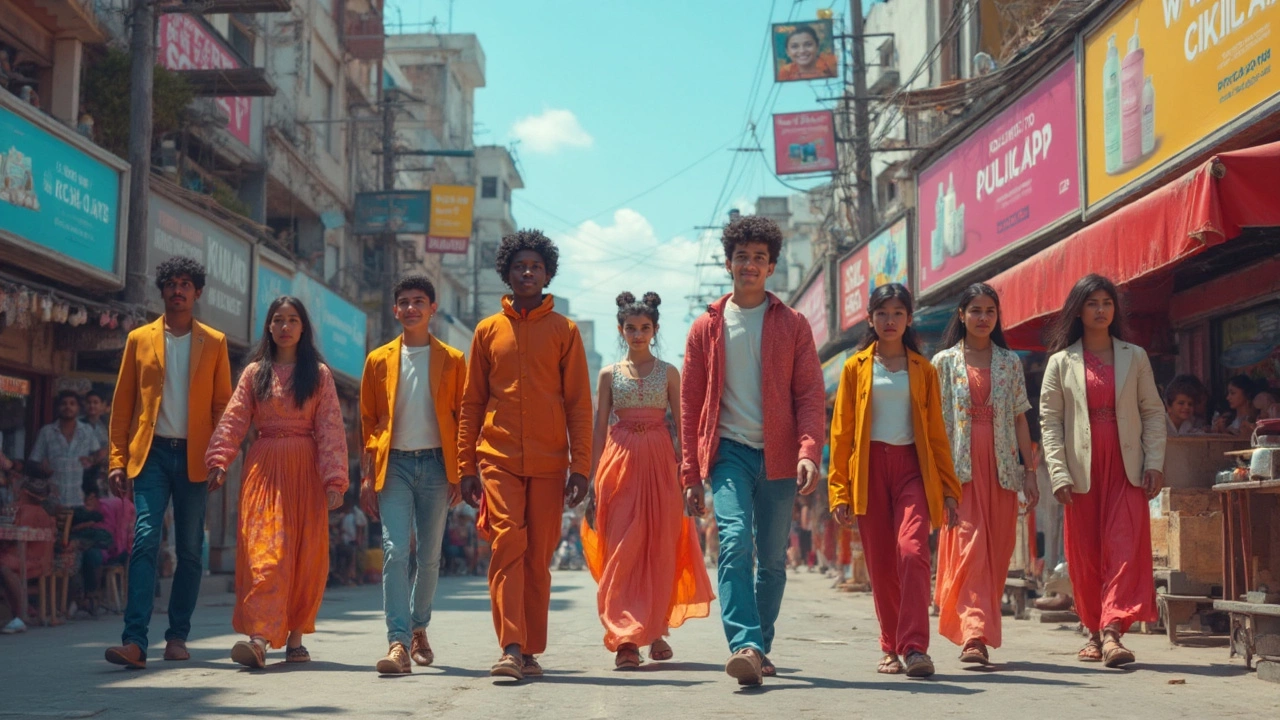
Why Does Gen Z Look Older? Unpacking the Phenomenon
Gen Z is often perceived as looking older than their actual age, raising curiosity about the causes behind this trend. This article explores the factors contributing to this phenomenon, including social media influence, fashion choices, and skincare routines. It also examines the societal pressure on youth to present themselves in a certain way. Delving into these aspects provides insights into why looking older has become a trend among the younger generation. Understanding this can help other generations connect with Gen Z's unique perspective.
Read More