Ancient Myths: Stories That Shaped Beliefs, Cultures, and Modern Fantasy
When we talk about ancient myths, traditional stories from early civilizations that explain natural events, human behavior, and the divine. Also known as mythology, they were never just entertainment—they were how people made sense of the world before science could. Think of the Greek god Zeus controlling storms, or the Hindu deity Indra wielding the thunderbolt. These weren’t just stories told around fires. They shaped laws, rituals, art, and even how people saw right and wrong.
These myths didn’t stay stuck in the past. They live on in the heroes we root for today. The lone warrior facing impossible odds? That’s Hercules with a modern hoodie. The dark lord who fears death? That’s Voldemort, borrowing from the fear of mortality that haunted ancient cultures. Even cozy fantasy—with its quiet magic and gentle gods—traces back to myths where spirits lived in rivers, trees, and homes. The Greek gods, a pantheon of powerful, flawed deities who intervened in human lives didn’t just disappear when Christianity rose. They became archetypes. The trickster? That’s Loki. The wise mentor? That’s Odin. The fallen angel? That’s Satan, shaped by older tales of rebellion against divine order.
And here’s the thing: people stopped believing in the Greek gods not because the stories lost power, but because new stories took their place. Christianity offered a single, all-powerful God. Science gave us weather forecasts instead of thunderbolts from Zeus. But the *need* for myth? That never left. We just swapped temples for bookshelves. The questions are the same: Why are we here? What happens when we die? Who controls fate? The answers changed, but the hunger for meaning didn’t.
That’s why the posts below aren’t just about old gods or forgotten legends. They’re about how those stories still whisper in the books you’re reading now. Whether it’s why fantasy villains feel so real, how adventure stories mirror ancient hero quests, or why religious texts still spark debates about science and truth—ancient myths are the hidden code behind them all. You’ll find posts that dig into why these tales endure, how they evolved, and what they reveal about us today. No lectures. No jargon. Just clear, straight talk about the stories that built our imagination.
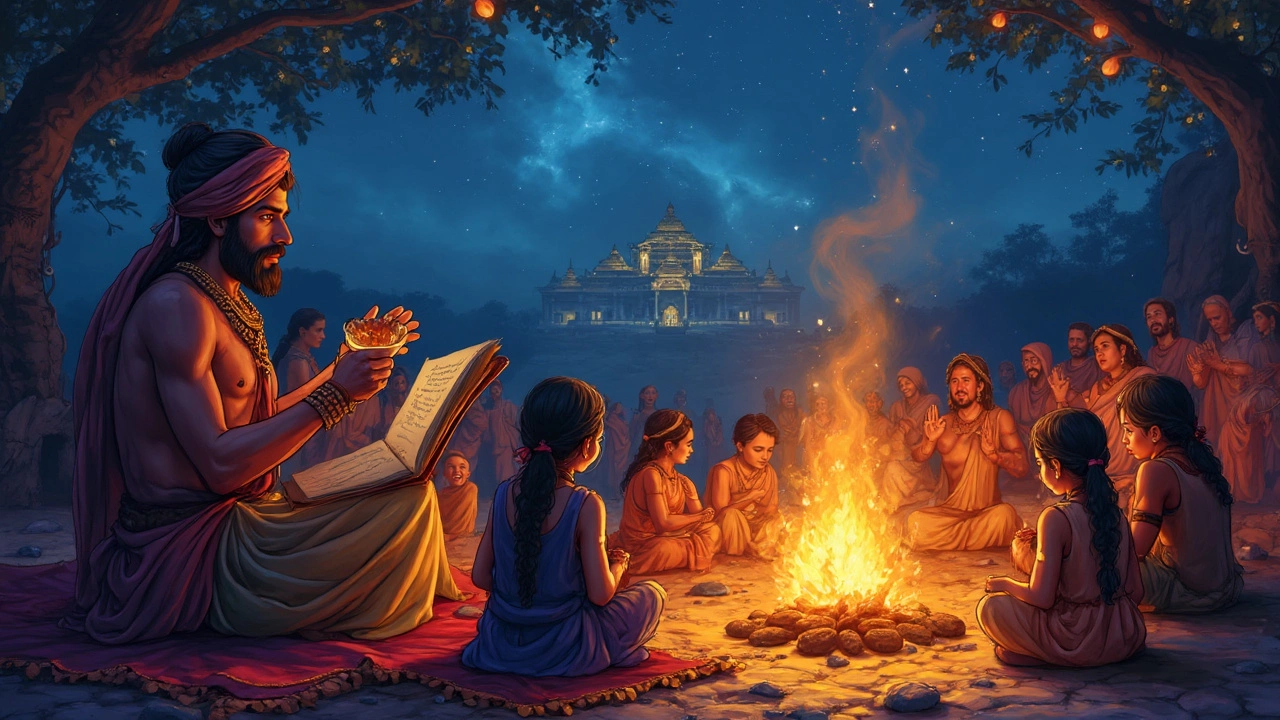
Mythology Genre Explained: What Makes Mythological Fiction Stand Out?
Mythology as a genre blends the ancient with the imaginative, bridging timeless stories and modern creativity. This article unpacks what makes mythological fiction tick, what sets it apart from other genres, and why it still attracts so many fans today. You’ll discover how classic myths are reworked for new audiences and what makes a good myth-inspired story. Plus, there are some tips if you’re thinking about writing or reading in the genre. Dive in and see how mythology shapes the heart of some of your favorite stories.
Read More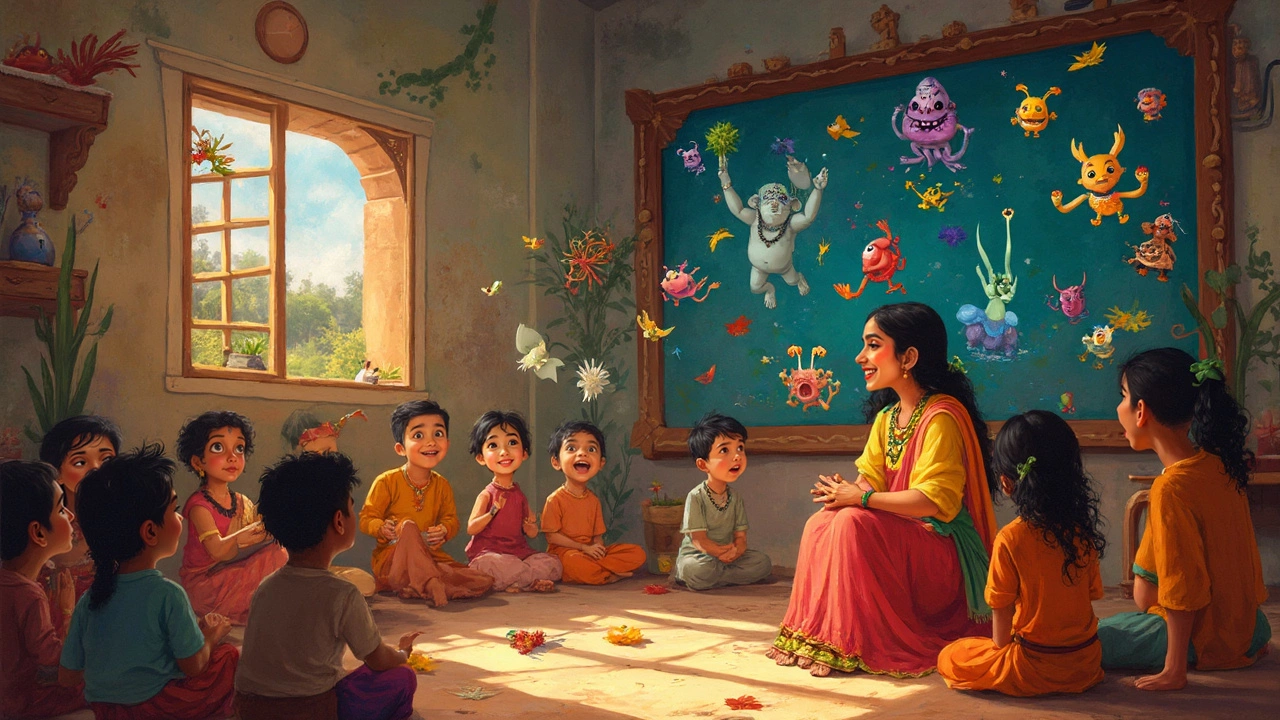
Mythological Stories: What They Really Teach Us
Mythological stories aren't just wild tales about gods and monsters—they pack real lessons about human nature, ethics, and how societies tick. This article looks at the deeper messages behind famous myths and explains why these stories still matter today. There’s practical wisdom hiding behind the drama, and even some unexpected tips you can use right now. We’ll break down what ancient mythmakers got right, and how you can spot those same patterns in today's world. Dive into a world where old stories teach new tricks.
Read More