Aesthetic Books: What Makes a Story Visually and Emotionally Resonant
When we talk about aesthetic, the overall mood, tone, and sensory feel of a story that lingers long after the last page. Also known as atmosphere, it’s what turns a good book into something you carry with you—like the quiet glow of a lantern in a snow-covered village, or the weight of silence after a character makes a choice that changes everything. It’s not about fancy covers or filtered photos. It’s about how the words build a world you can almost touch.
This kind of aesthetic shows up in cozy fantasy, a gentle genre where magic is found in tea cups and neighborly kindness, not dragon battles, and in young adult literature, stories where teenagers aren’t just fighting monsters—they’re figuring out who they are, often in messy, beautiful ways. It’s in literary fiction, where language itself becomes a mood, and every sentence hums with unspoken emotion. And it’s in adventure stories, not just when the hero climbs a mountain, but when they pause to watch the sunrise, and you feel that stillness too. These aren’t just genres—they’re emotional textures.
What makes a book aesthetic isn’t how many adjectives it uses. It’s the rhythm. The silence between lines. The way a character’s worn boots or the smell of rain on old paper becomes meaningful. You don’t need epic battles to feel something deeply. Sometimes, all it takes is a quiet moment, a shared glance, or a single line that hits like a heartbeat. That’s the aesthetic that stays.
Below, you’ll find posts that dig into exactly this—stories that don’t just tell you something, but make you feel it. Whether it’s why certain villains haunt us, how Gen Z reads for mood over plot, or what truly defines an adventure, these aren’t just book reviews. They’re maps to the quiet corners of stories that stick.
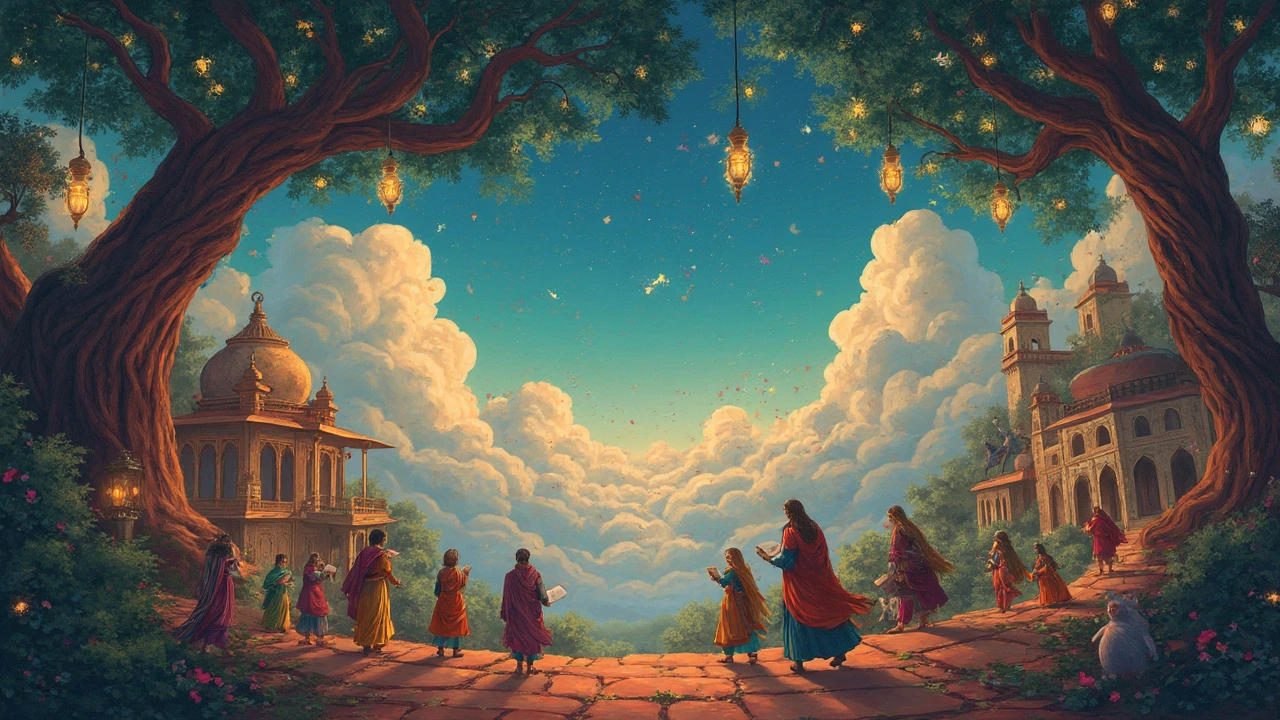
Is Fantasy an Aesthetic? Understanding the Look and Feel of Fantasy Novels
This article takes a close look at whether fantasy qualifies as an aesthetic, breaking down what really gives fantasy its unique look and feel in novels. You'll learn how visuals, themes, and worldbuilding shape what we think of as 'fantasy.' The guide also offers practical examples and tips for identifying and using fantasy aesthetics in story development. If you've ever wondered where the line is between genre and aesthetic, or how to channel 'fantasy vibes' in your own work, this is for you. Get ready to see your favorite books with new eyes.
Read More