Is Of Mice and Men Historical Fiction? Genre Analysis
 Oct, 30 2026
Genre Classifier: Is It Historical Fiction?
The classification of John Steinbeck's Of Mice and Men is a subject of literary debate. While set in the past, it was written contemporaneously with the events. Use this tool to test different perspectives on how we define "Historical Fiction."
Classification Verdict
Select a perspective and click analyze to see how the genre boundaries shift based on your criteria.
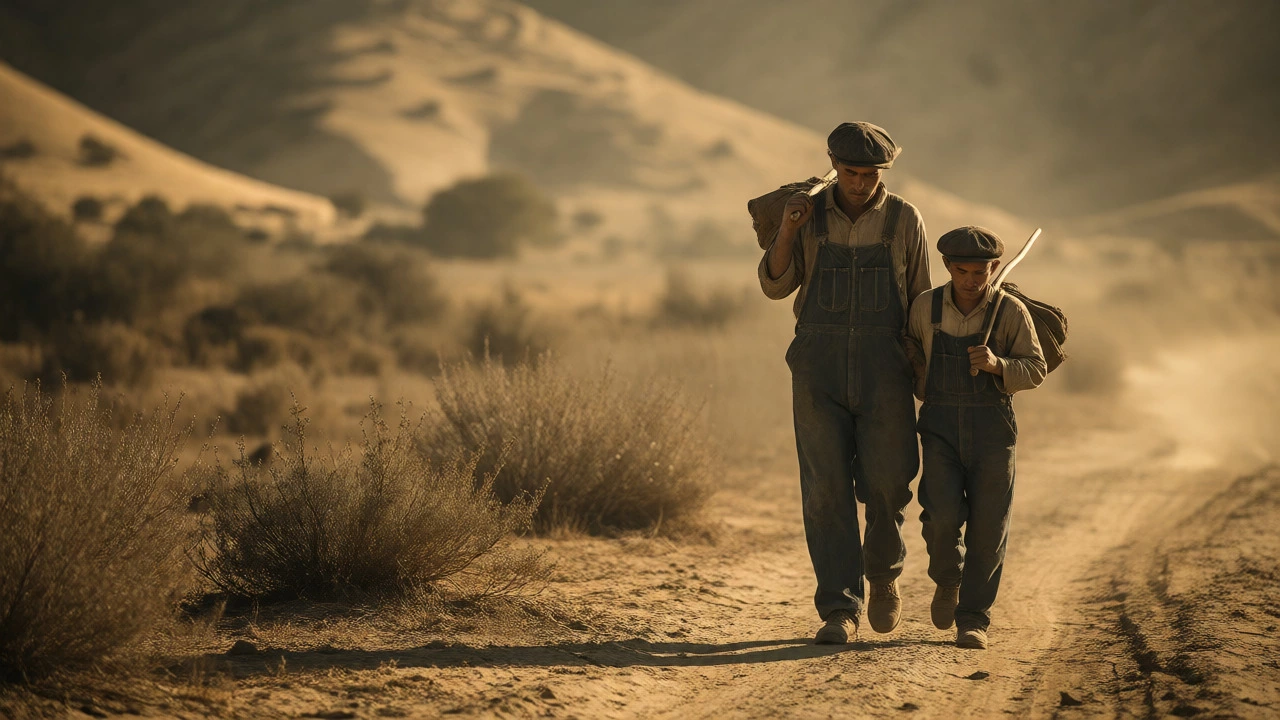
You pick up John Steinbeck's novella expecting a story about two guys chasing a dream. But as you turn the pages, set in the dusty fields of California during the 1930s, a question nags at you: Is this actually historical fiction? The answer isn't a simple yes or no. It depends entirely on how strictly you define the genre. While many readers assume it is because of its setting, literary scholars often classify it differently. Let's break down why this book sits in a fascinating grey area between realism and history.
The Core Definition Problem
To figure out if Of Mice and Men fits the bill, we need to look at what makes a book historical fiction. Generally, this genre requires three things: a specific past time period, real historical events influencing the plot, and characters who are fictional but interact with that reality. By these standards, the novella checks most boxes. It is firmly rooted in the Great Depression. The economic despair, the migrant worker lifestyle, and the social hierarchy are all accurate reflections of the era. However, the story itself doesn't hinge on a major historical event like World War II or the Civil Rights Movement. Instead, it focuses on universal human themes-loneliness, friendship, and powerlessness-that happen to occur within a historical backdrop. This distinction is crucial. If the plot would still work in any other time period, purists might argue it’s not truly historical fiction, but rather realistic fiction with a historical setting.
Steinbeck’s Intent: Realism Over Romance
When John Steinbeck wrote the book in 1937, he wasn't trying to write a romance novel set in the past. He was writing about his present. For Steinbeck, the 1930s weren't "history"; they were the news. His goal was social realism, a movement aimed at depicting everyday life without idealization. He wanted to show the brutal truth of migrant labor. Because he was writing contemporaneously, the label "historical" feels anachronistic to some critics. They argue that true historical fiction requires a degree of separation between the author and the events. Steinbeck didn't have that distance. He walked among the workers he described. This proximity gives the book a raw, immediate quality that many later historical novels lack. It feels less like looking back at a museum exhibit and more like standing in the middle of a storm.
Why Readers Think It Is Historical Fiction
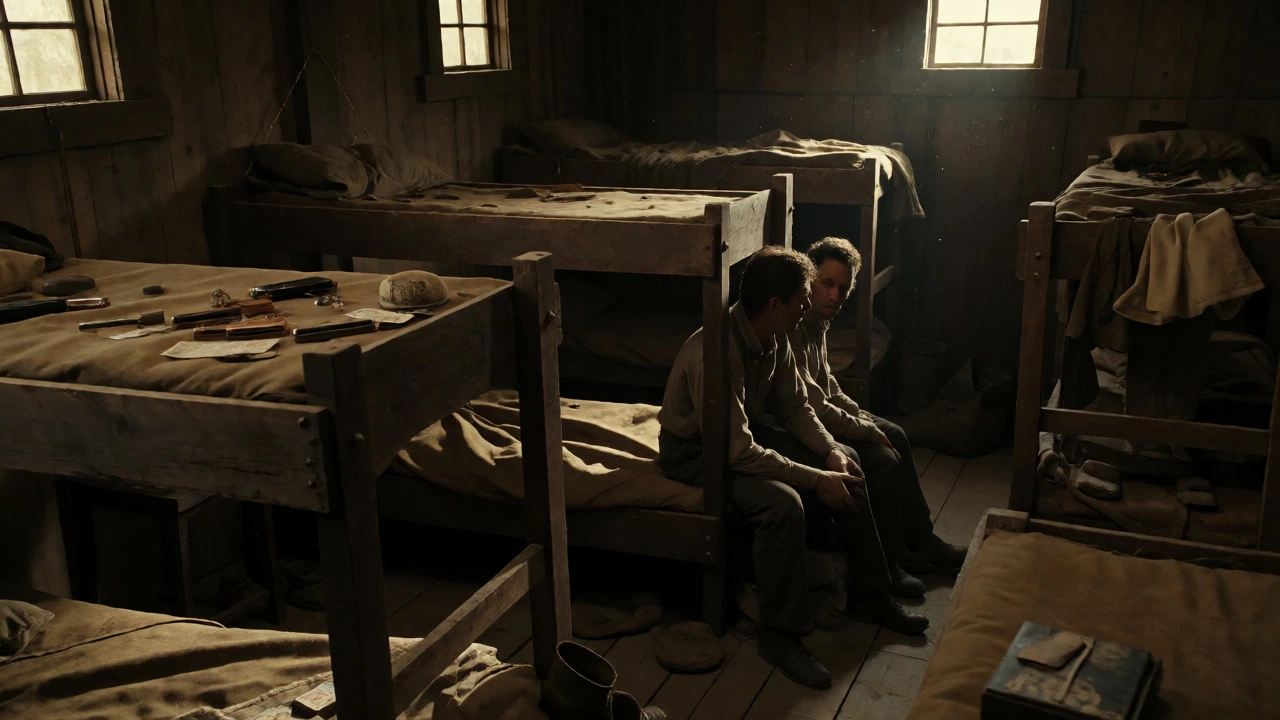
Despite the academic debate, most modern readers treat Of Mice and Men as historical fiction. Why? Because for anyone born after the 1950s, the 1930s are undeniably the past. We view the Dust Bowl, the bank failures, and the rise of itinerant workers through a historical lens. The details Steinbeck included-the bunkhouses, the card games, the fear of being fired-serve as educational tools. They teach us about a specific slice of American history. When schools assign this book, it is almost always paired with lessons on the Great Depression. In this context, the function of the text becomes historical. It transports the reader to a different time, allowing them to empathize with people whose lives were shaped by economic collapse. So, while Steinbeck didn't intend to write history, the book has become a primary cultural artifact of that era.
Comparing Genres: Where Does It Fit?
To clarify where this novella lands, let's compare it to other genres. This helps distinguish between books that use history as a backdrop versus those that make history the main character.
| Feature | Historical Fiction | Literary Realism | Of Mice and Men |
|---|---|---|---|
| Primary Focus | Impact of historical events on characters | Character psychology and social conditions | Human relationships and dreams |
| Time Setting | Distant past (usually >50 years) | Contemporary or timeless | Specific past (1930s) |
| Plot Driver | War, revolution, political change | Internal conflict, societal pressure | Personal ambition and tragedy |
| Author's Perspective | Retrospective analysis | Observational documentation | Immediate witness |
As the table shows, Of Mice and Men shares traits with both categories. It lacks the grand scale of typical historical epics but exceeds the scope of pure domestic realism by embedding its characters in a rigid socio-economic system. This hybrid nature is exactly why it remains so powerful. It uses the constraints of the 1930s to amplify the tragedy of George and Lennie. Without the historical pressure of the Depression, their struggle for land might seem like a simple desire for property. With it, their failure becomes a commentary on the broken American Dream.
The Role of Setting as Character
In many historical novels, the setting is just scenery. In Of Mice and Men, the setting is an active force. The Salinas Valley isn't just a place; it's a trap. The isolation of the ranch mirrors the isolation of the workers. Steinbeck uses the landscape to reflect the internal states of his characters. The riverbank where the story begins and ends represents freedom and danger simultaneously. This technique aligns with naturalism, a subgenre of realism that suggests environment dictates fate. While naturalism isn't strictly historical fiction, it relies heavily on accurate historical detail to be believable. You can't understand why Curley's wife is trapped without understanding the gender roles of the 1930s. You can't grasp Crooks' loneliness without knowing the laws regarding segregation in California at the time. These historical facts aren't just background noise; they are the walls closing in on the characters.
Common Misconceptions About the Genre
People often confuse "period piece" with "historical fiction." A period piece simply wears the clothes of the past. Historical fiction interrogates the past. Of Mice and Men does the latter. It asks hard questions about capitalism, disability, and race that are still relevant today. Some readers dismiss it because it's short, thinking long books are required for serious historical analysis. That's nonsense. Steinbeck proves you can capture the essence of an era in under 120 pages. Another misconception is that historical fiction must feature famous figures. Steinbeck chose nobodies-migrant workers with no names in history books-and gave them dignity. This democratization of history is one of the book's greatest contributions. It shifts the focus from presidents and generals to the people who actually lived through the crisis.
How to Classify It for Your Reading List
If you're organizing your library or planning a reading challenge, here is the practical verdict. If you need a book for a strict "Historical Fiction" club, check their definition. If they require plots driven by wars or elections, this might not fit. However, if the club focuses on "stories set in the past," it is a perfect choice. For academic purposes, cite it as Realist Fiction with historical elements. For casual reading, call it whatever helps you find more books like it. If you liked The Grapes of Wrath, you'll likely enjoy the same tone here. Both deal with the same historical trauma, though Grapes of Wrath is more explicitly epic in scope. Of Mice and Men is intimate, focusing on the micro-history of two men rather than the macro-history of a nation.
Why the Debate Matters Today
Does it really matter if we call it historical fiction? Yes, because labels shape expectations. If you approach it expecting a sweeping saga about the Depression, you might be disappointed by its brevity and quietness. If you approach it as a character study set against a harsh backdrop, you'll appreciate its precision. Understanding the genre helps you read better. It tells you what to look for. In this case, look for the subtle ways economic forces crush individual hope. Look for the dialogue that captures the vernacular of the era. Look for the silence between words that speaks volumes about the unspoken rules of the time. Whether you tag it as history or realism, the emotional truth remains unchanged. It is a story about the impossibility of dreams in a world that offers no safety net.
Was Of Mice and Men written during the Great Depression?
Yes, John Steinbeck published the novella in 1937, right in the middle of the Great Depression. He was living in California at the time and witnessed the struggles of migrant workers firsthand, which directly influenced the story's authenticity.
What is the difference between historical fiction and realism?
Historical fiction typically features a plot driven by significant past events and a temporal distance from the author. Realism focuses on portraying everyday life accurately, regardless of the time period. Of Mice and Men blends both, using a realistic style to depict a specific historical moment.
Are George and Lennie based on real people?
While they are fictional characters, Steinbeck based them on real migrant workers he knew. He even used the name of a real ranch hand, Jerry, for one of the minor characters. The dynamic reflects common survival partnerships among isolated laborers of that era.
Why is the setting important for the genre classification?
The setting of the 1930s provides the socioeconomic constraints that drive the plot. Without the specific historical context of the Great Depression, the characters' desperation and the lack of social safety nets wouldn't carry the same weight, making the historical element integral to the narrative.
Can I consider it a classic novel?
Absolutely. Regardless of genre debates, Of Mice and Men is widely considered a classic of American literature. It is taught in schools worldwide and remains relevant due to its timeless exploration of friendship, loneliness, and the human condition.